 English
  French
  Arabic
  Spanish (Chile)
  Portuguese
  Spanish (Mexico)
  German
  Indonesian
  Vietnamese
Sourcing high-quality PPR pipes from China is one of the most effective strategies for overseas MEP contractors and wholesalers to scale their project margins. However, navigating the massive Chinese manufacturing landscape can feel like walking through a minefield. A quick online search reveals thousands of “suppliers,” but how do you separate the world-class extrusion factories from high-risk trading companies or low-tier workshops?
To save your procurement team months of trial and error, we have compiled the ultimate 2026 China PPR Pipe Factory Audit Guide. We stripped away the marketing fluff to evaluate the actual production scale, core strengths, and hidden weaknesses of the industry’s top players.
Before diving into the detailed factory audits and exposing the hidden sourcing traps you must avoid, use our quick-reference matrix below to instantly find the supplier profile that perfectly matches your specific bulk-order requirements.
Quick Reference: 2026 China PPR Pipe Suppliers Matrix
| Manufacturer / Brand | Primary Focus & Scale | Price Tier | Best Suited For… |
| 1. LESSO Group (联塑) | Global mega-infrastructure, smart pipes | Premium | Government bids, mega commercial projects |
| 2. RIFENG (日丰) | Dominant in domestic residential | Premium | Brand-driven domestic retail & plumbing |
| 3. VASEN (伟星) | High-end domestic projects, smart tech | Premium | Specialized domestic engineering |
| 🚀 Ctube (Our Pick) | 100% Virgin Resin, Agile OEM, Export | Mid-Competitive | Overseas Wholesalers & MEP Contractors |
| 4. Jinniu (金牛) | Municipal pipelines, centralized heating | Mid-High | Heavy industrial & municipal B2B |
| 5. ZHONGCAI (中财) | Broad building materials, PVC/PPR | Mid-High | General construction conglomerates |
| 6. White Butterfly (白蝶) | State-owned background, early innovator | Mid | Traditional state-level projects |
| 7. MIERGU (美尔固) | Commercial and residential plumbing | Mid | Budget-conscious regional projects |
| 8. ERA/Yonggao (公元) | Massive export volume, diverse plastics | High | Large generic volume distribution |
| 9. Longsheng (龙胜) | Eco-safe series, smart home integration | Mid-High | High-end residential developers |
| 10. Ginde (金德) | Long-standing domestic market presence | Mid | Standard residential plumbing |
1. 联塑 (LESSO Group)
Introduction:
Established in 1986 and listed on the Hong Kong Stock Exchange (HKEX: 2128), LESSO Group is a multinational conglomerate headquartered in Foshan, Guangdong. Initially a PVC pipe producer, LESSO diversified into PPR pipes in the early 2000s, leveraging its vast distribution network to become Asia’s largest piping system supplier.
Core Strengths:
They possess massive production scale and advanced R&D. As noted in industry circles, their “UltraFlow” series features nano-coating technology, and they are pioneering IoT-integrated “SmartPipes” for real-time leak detection.
Products:
LESSO’s PPR pipes are renowned for their NSF-certified safety and versatility. Their “UltraFlow” series features nano-coating technology to prevent scaling, while “SmartPipe” integrates IoT sensors for real-time leak detection. The company also produces hybrid PPR-PERT pipes for underfloor heating, catering to Europe’s growing demand for energy-efficient solutions.
Certifications & Values:
With certifications including CE, WRAS, and ISO 14025, LESSO emphasizes global compliance. The company operates 23 advanced manufacturing bases across China and Thailand, utilizing AI-driven quality control systems. Its “One-Stop Service” philosophy—providing pipes, fittings, and installation support—has made it a preferred partner for megaprojects like Dubai’s Palm Jumeirah.
The Catch for Importers:
They are structured for massive, state-level infrastructure. For mid-sized overseas distributors, dealing with a corporate giant means rigid MOQs, slower customized OEM communication, and paying a significant premium for the domestic brand name.
Market Presence:
LESSO commands a 20% share in China’s PPR market and exports to 30+ countries. In Africa, it supplies piping for UNICEF’s clean water initiatives, while in Southeast Asia, it collaborates with governments on urban drainage systems.
2. 日丰 (RIFENG)
Introduction:
RIFENG, established in 1996 in Foshan, Guangdong, revolutionized China’s plumbing industry with its patented anti-bacterial PPR pipes. The company’s early adoption of European standards (DIN 8077/8078) positioned it as a premium brand for residential and commercial projects.
Core Strengths:
Exceptional brand recognition and a robust product catalog covering everything from standard PPR to advanced multilayer composite pipes.
Products:
RIFENG’s “HealthGuard” PPR pipes use silver-ion coatings to inhibit bacterial growth, earning accolades for use in hospitals and schools. Their “OxyBlock” series features an oxygen diffusion barrier, extending the lifespan of heating systems. The company also offers pre-insulated pipes for district heating networks in colder climates.
The Catch for Importers:
Rifeng’s primary focus is heavily skewed toward domestic retail and domestic residential distribution networks. Their pricing structure includes heavy domestic marketing overhead, which can cut into the profit margins of overseas wholesalers looking for factory-direct import pricing.
Certifications & Values:
Certified with China Environmental Labeling and ISO 9001, RIFENG prioritizes user safety. It operates a 100,000-square-meter R&D center in Foshan, focusing on smart plumbing solutions. In 2020, RIFENG launched a blockchain-based traceability system, allowing customers to verify material origins via QR codes.
3. 伟星 (VASEN)
Introduction:
Founded in 1999 in Zhejiang Province, VASEN has become synonymous with innovation and reliability in China’s plumbing sector. The company began as a small fittings manufacturer but quickly expanded into PPR pipes, driven by its commitment to integrating smart technology into plumbing systems. By 2010, VASEN established itself as a national leader, partnering with universities like Zhejiang University to advance material science research.
Core Strengths:
They are deeply committed to integrating smart technology into plumbing systems and dominate high-end domestic engineering bids.
Products:
VASEN’s flagship product is the “StarPipe” series, featuring PPR pipes with built-in temperature and pressure sensors for real-time monitoring. Their “EcoFusion” line uses recycled polypropylene, reducing carbon footprints by 30% compared to traditional pipes. For residential projects, VASEN offers “QuickFit” push-to-connect fittings, simplifying installation and reducing labor costs. The company also provides integrated underfloor heating systems compatible with smart home automation.
The Catch for Importers:
Similar to LESSO, their operational machinery is optimized for massive domestic engineering projects. Overseas buyers needing highly specialized international certifications (beyond standard CE/ISO) or agile container loading configurations might find their corporate processes inflexible.
Certifications & Values:
VASEN holds ISO 9001, ISO 14001, and Green Building Materials certifications. It operates a zero-discharge wastewater treatment facility in its Hangzhou factory, aligning with its motto: “Innovate Sustainably.” In 2022, VASEN launched a blockchain-based quality assurance platform, allowing clients to trace raw materials from source to installation.
🚨 The B2B Insider’s Reality Check: Hidden Traps in the Chinese PPR Market
Before we continue with the rest of the top 10 list, we need to address the elephant in the room. Why do some Chinese suppliers quote prices that seem too good to be true? As veterans in the plastic piping manufacturing industry, we’ve seen how overseas buyers get burned.
If you are sourcing PPR pipes for commercial infrastructure, beware of these common traps:
-
Trap 1: The “Virgin Resin” Price Trap: The cheapest quotes almost always involve blending 20% to 40% recycled regrind plastics into the extrusion process. This dramatically lowers the oxidative induction time (OIT), leading to brittle pipes that will shatter under water hammer shocks within a few years.
-
Trap 2: SDR Cheating: A classic tactic is quoting for a Heavy-Duty SDR 6 (PN20) pipe but secretly extruding the thinner wall dimensions of an SDR 7.4 (PN16) pipe. You pay for high pressure, but you receive a compromised wall thickness that cannot survive peak boiler temperatures.
-
Trap 3: “Borrowed” Certifications: Many trading companies and lower-tier factories will display impressive ISO, WRAS, or WaterMark logos on their websites. In reality, these certificates are expired, digitally altered, or borrowed from affiliated factories, leaving you legally exposed during a site inspection.
-
Trap 4: The Sunk Cost of “Cheap”: What looks like a 10% saving on the unit price often evaporates when dealing with delayed shipments, poorly packed containers (shipping air), and zero post-sales engineering support.
🏆 The Agile Quality Disruptor: Why Importers Choose Ctube
While legacy giants fight for massive domestic government bids, and lower-tier factories engage in race-to-the-bottom price wars, a significant gap has emerged for mid-to-large overseas MEP contractors and wholesalers. They need the scale of a manufacturer, but the transparency of a true partner.
This is exactly why Ctube was established as the agile quality disruptor in the piping sector. We recognized that international buyers don’t just need cheap pipes; they need absolute certainty and supply chain security.
-
100% Virgin Material Guarantee: We refuse to play the recycled-resin game. Every PPR pipe and fitting we export is extruded from 100% virgin Polypropylene Random Copolymer (Type 3). We welcome third-party lab testing on every batch.
-
Micrometer-Verified Dimensions: What we quote is exactly what we load into the container. We enforce strict continuous micrometer measurements during extrusion to ensure zero deviation from ISO 15874 SDR wall-thickness requirements.
-
Verifiable Direct Certifications: No trading company tricks. Our manufacturing facilities hold direct, verifiable international certifications, ensuring your local building inspectors pass your network without hesitation.
-
Agile Custom OEM Integration: Unfettered by rigid corporate bureaucracies, we offer tailored branding, precise length cutting, and optimized container packing designed specifically for the unique demands of international B2B distributors.
👉 Contact Ctube for a Transparent, Factory-Direct Sourcing Audit!
4. 金牛 (Jinniu)
Introduction:
Established in 1999 in Wuhan, Jinniu (Golden Bull) has carved a niche as a specialist in high-pressure and high-temperature PPR systems. The company initially focused on industrial applications but expanded into residential markets after developing lightweight, corrosion-resistant pipes for China’s booming real estate sector.
Products:
Jinniu’s “TitanFlow” series is engineered for industrial use, capable of handling pressures up to 25 bar and temperatures up to 110°C, ideal for chemical plants and power stations. For residential clients, the “HomeGuard” line features anti-UV stabilized pipes for outdoor use, along with noise-reducing fittings for high-rise buildings. The company also produces PPR-Aluminum-PPR (PAP) composite pipes for enhanced structural rigidity.
Certifications & Values:
Certified by ISO 9001, ISO 14001, and NSF/ANSI 61, Jinniu prioritizes “Safety Beyond Standards.” Its Wuhan R&D center collaborates with the Chinese Academy of Sciences to develop fire-retardant PPR materials. Jinniu also sponsors rural water infrastructure projects in Hubei Province.
5. 中财 (ZHONGCAI)
Introduction:
ZHONGCAI, part of the Zhongcai Holdings Group (founded in 1995), is a diversified conglomerate with a strong foothold in construction materials. Headquartered in Hangzhou, the company entered the PPR market in 2005, leveraging its chemical manufacturing expertise to produce cost-effective, high-performance pipes.
Products:
ZHONGCAI’s “EconoPipe” series targets budget-conscious developers, offering ISO-certified PPR pipes at competitive prices. For premium projects, its “DiamondLine” range incorporates graphene-enhanced layers for 50% higher thermal conductivity, ideal for radiant heating. The company also supplies custom-colored pipes for architectural aesthetics, popular in luxury hotels.
Certifications & Values:
With CE, NSF, and ISO 9001 certifications, ZHONGCAI emphasizes “Quality Without Compromise.” It runs a “Green Factory” initiative, using solar energy to power 40% of its production lines. In 2021, ZHONGCAI partnered with Alibaba Cloud to optimize supply chain logistics.
6. 白蝶 (White Butterfly)
Introduction:
Founded in 1997 in Shanghai, White Butterfly pioneered food-grade PPR pipes in China. The company’s name symbolizes purity, reflecting its focus on clean water systems. It gained early recognition for replacing lead-stabilized PVC pipes in urban water networks.
Products:
White Butterfly’s “CrystalClear” series uses medical-grade polypropylene, certified for drinking water by NSF/ANSI 61. Its “AquaShield” line features a patented inner lining that prevents biofilm formation, reducing maintenance costs for municipal water systems. The company also offers pre-insulated PPR pipes for district heating in northern China.
Certifications & Values:
Certified with ISO 14025 (environmental labels) and WRAS (UK Water Regulations), White Butterfly adheres to “Purity in Every Pipe.” It operates a closed-loop recycling system, repurposing 98% of production waste.
7. 美尔固 (MIERGU)
Introduction:
Established in 2000 in Shanghai, MIERGU targets the mid-market segment with energy-efficient, affordable PPR solutions. The company gained traction by offering “all-in-one” plumbing kits for DIY homeowners and small contractors.
Products:
MIERGU’s “EcoTherm” series includes PPR pipes with EPDM rubber insulation, reducing heat loss by 20% in heating systems. Its “FlexiPipe” line uses flexible PPR composites for earthquake-prone regions, absorbing seismic vibrations without cracking. The company also provides UV-resistant outdoor pipes for agricultural irrigation.
Certifications & Values:
Certified by China Environmental Labeling and ISO 9001, MIERGU promotes “Quality for All.” It launched a mobile app in 2023 that offers AR-guided pipe installation tutorials for beginners.
8. 公元 (ERA/Yonggao)
Introduction:
ERA, established in 1993 in Taizhou, Zhejiang, is China’s largest exporter of PPR pipes. The company operates 18 factories worldwide, including in Vietnam and Mexico, positioning itself as a global low-cost leader.
Products:
ERA’s “GlobalFlow” series meets WRAS, NSF, and ACS standards, making it ideal for multinational projects. Its “ArcticLine” PPR pipes are reinforced with fiberglass for sub-zero environments.
Certifications & Values:
Certified by ISO 9001 and ISO 45001, ERA follows “One World, One Standard.” It invests 7% of revenue into automation, reducing production costs by 25%.
Market Presence:
ERA exports to 120+ countries, dominating markets in Latin America and Africa. Major projects include Nigeria’s Lagos Water Supply Scheme.
9. 龙胜(Longsheng)
Introduction:
Founded in 1993 and headquartered in Shanghai, Longsheng specializes in residential plumbing systems, blending traditional piping with smart home technology. Initially recognized for PVC pipes, the company expanded into PPR production in the early 2000s, focusing on eco-friendly and user-centric solutions.
Products:
Longsheng’s PPR pipes, such as the “Eco-Safe” series, use food-grade polypropylene certified for drinking water. They also produce PPR-Aluminum composite pipes for reduced thermal expansion and IoT-enabled “iPipe” systems with leak detection sensors that integrate with smart home apps. Complementary products include energy-efficient insulation sleeves and modular drainage kits.
Certifications:
ISO 9001 (quality), ISO 14001 (environmental), NSF/ANSI 61 (water safety), and China Environmental Labeling.
Values:
The company prioritizes “Innovation for Smarter Living,” investing in R&D for IoT integration and recyclable materials. It emphasizes affordability and sustainability, targeting mid-range residential markets.
Market Presence:
Dominates in Eastern China (Shanghai, Jiangsu, Zhejiang) and exports to Southeast Asia and the Middle East. Key projects include collaborations with Xiaomi’s Smart Home Ecosystem and piping for Vanke’s “Green Neighborhood” eco-residential complexes.
10. 金德 (Ginde)
Introduction:
Founded in 1999 in Liaoning Province, Ginde has grown from a regional player into one of China’s most influential PPR pipe manufacturers. The company’s early focus on R&D allowed it to pioneer eco-friendly plumbing solutions, positioning itself as a leader in sustainable manufacturing. By 2005, Ginde expanded its production capacity with state-of-the-art facilities in Shenyang and Guangdong, incorporating German extrusion technology to enhance product precision.
Products:
Ginde’s flagship products include high-temperature-resistant PPR pipes (capable of withstanding up to 95°C) and composite pipes that integrate aluminum layers for added durability. Their “GreenLife” series uses non-toxic raw materials certified for potable water systems, appealing to environmentally conscious consumers. The company also offers customized piping solutions for geothermal heating and industrial applications.
Certifications & Values:
Ginde holds ISO 9001 (quality management) and ISO 14001 (environmental management) certifications, underscoring its commitment to sustainability. The company invests 5% of annual revenue into R&D, resulting in over 50 patents, including a breakthrough in reducing pipe thermal expansion. Their corporate motto, “Innovation for a Healthier Future,” drives initiatives like zero-waste manufacturing and community water safety programs.
Market Presence:
Dominating 15% of China’s domestic PPR market, Ginde exports to over 60 countries, including Europe and the Middle East. Strategic partnerships with construction giants like China State Construction Engineering Corporation (CSCEC) have solidified its role in large-scale infrastructure projects, such as Beijing’s Daxing Airport.
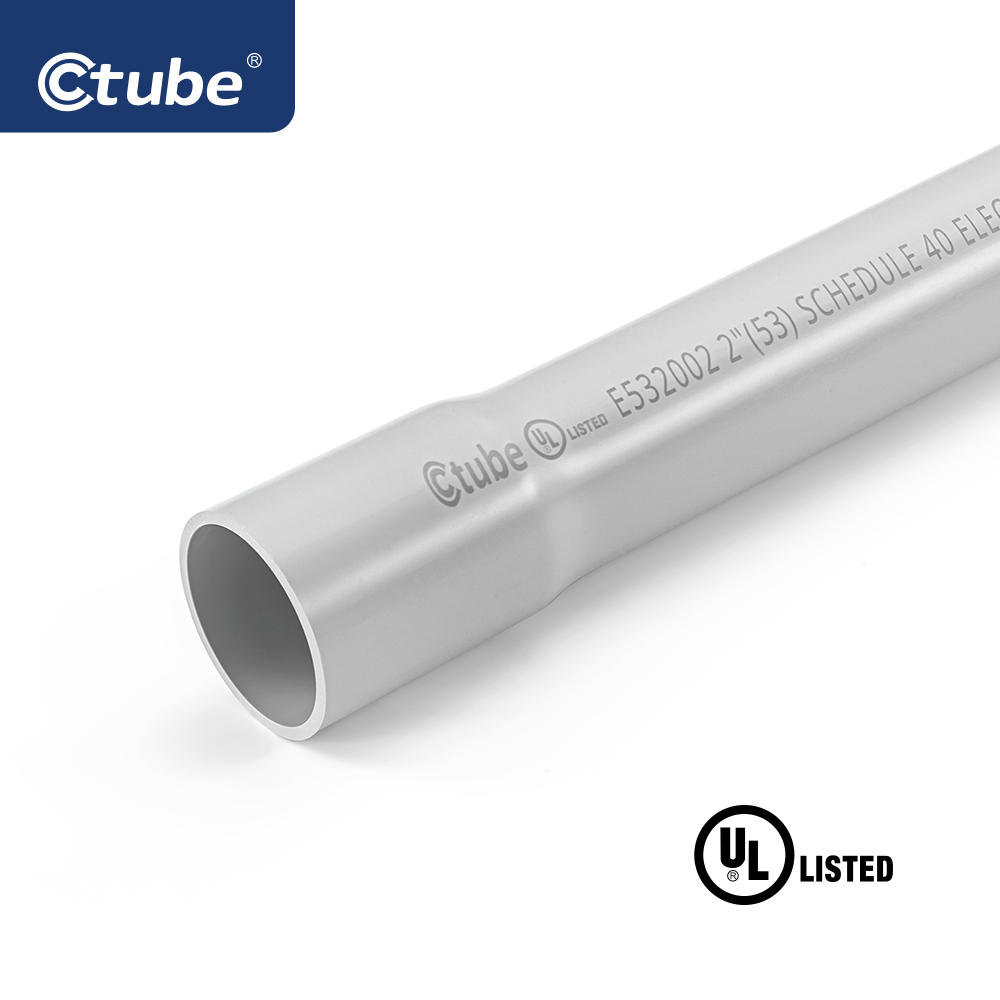
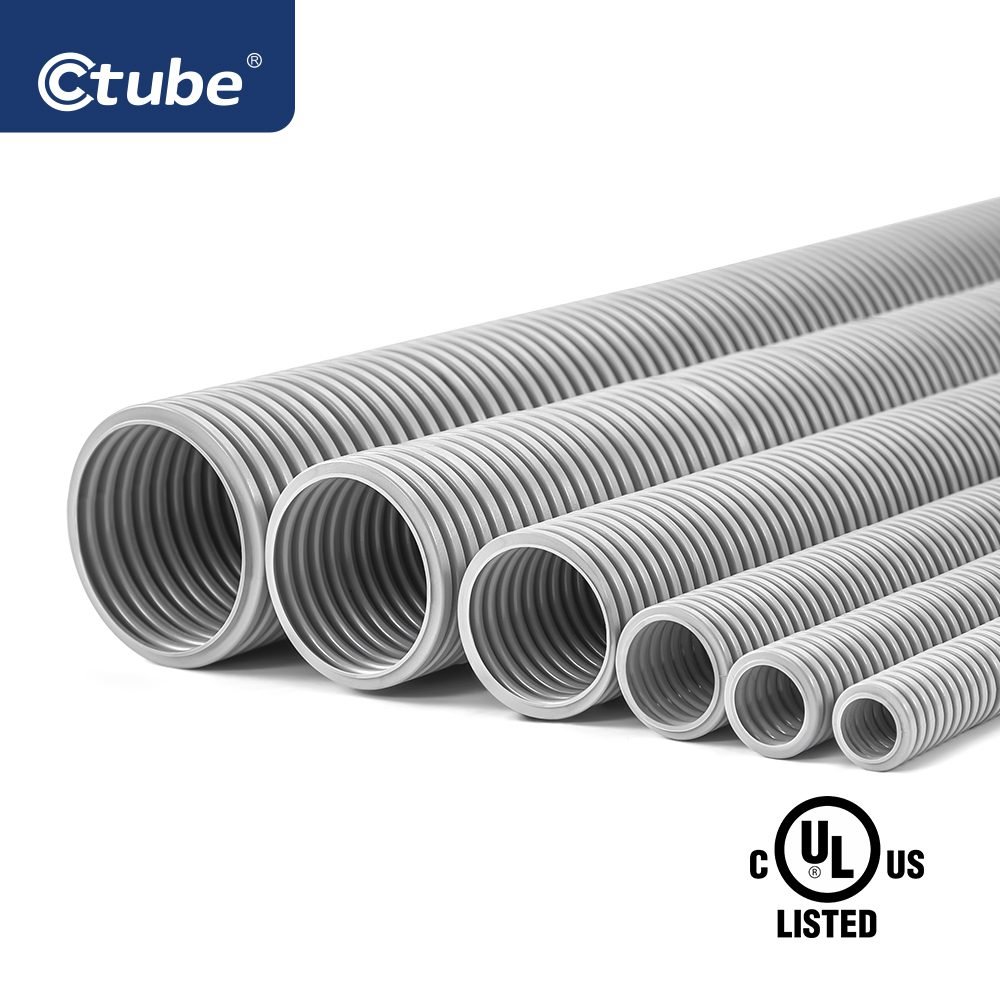
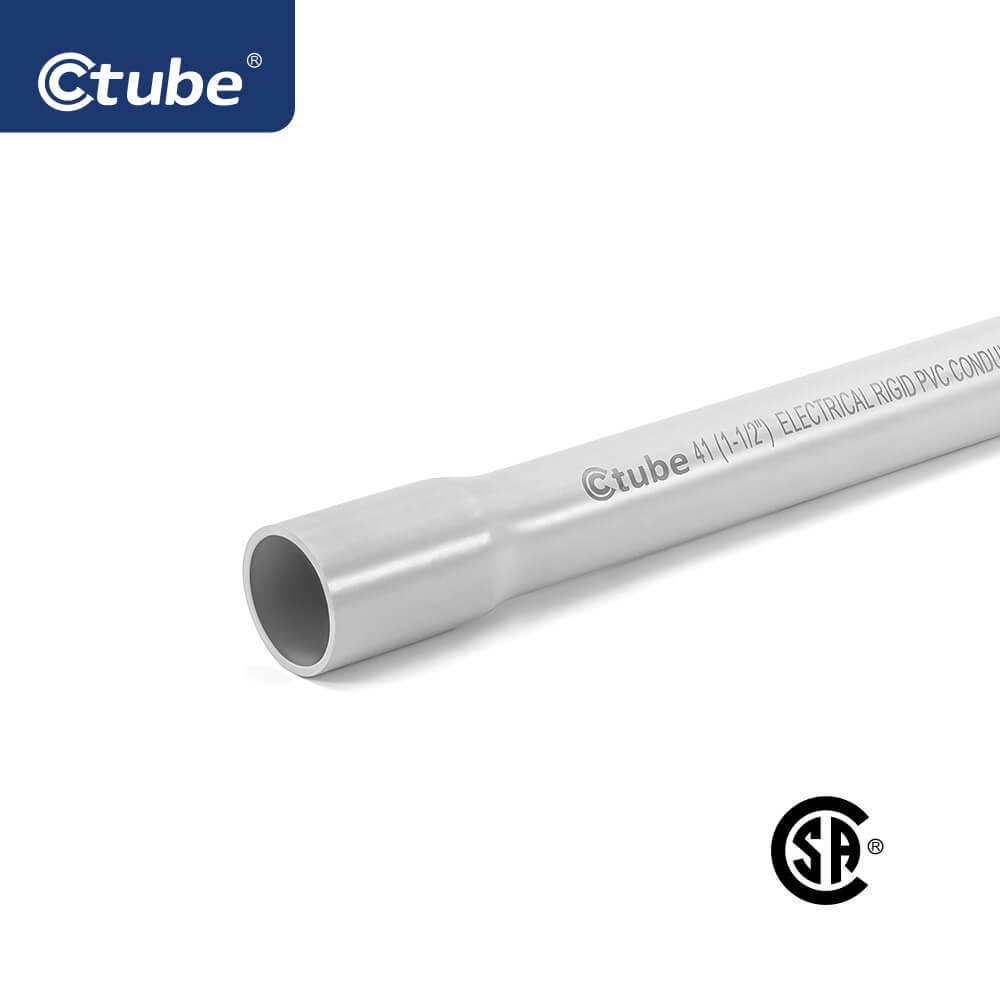
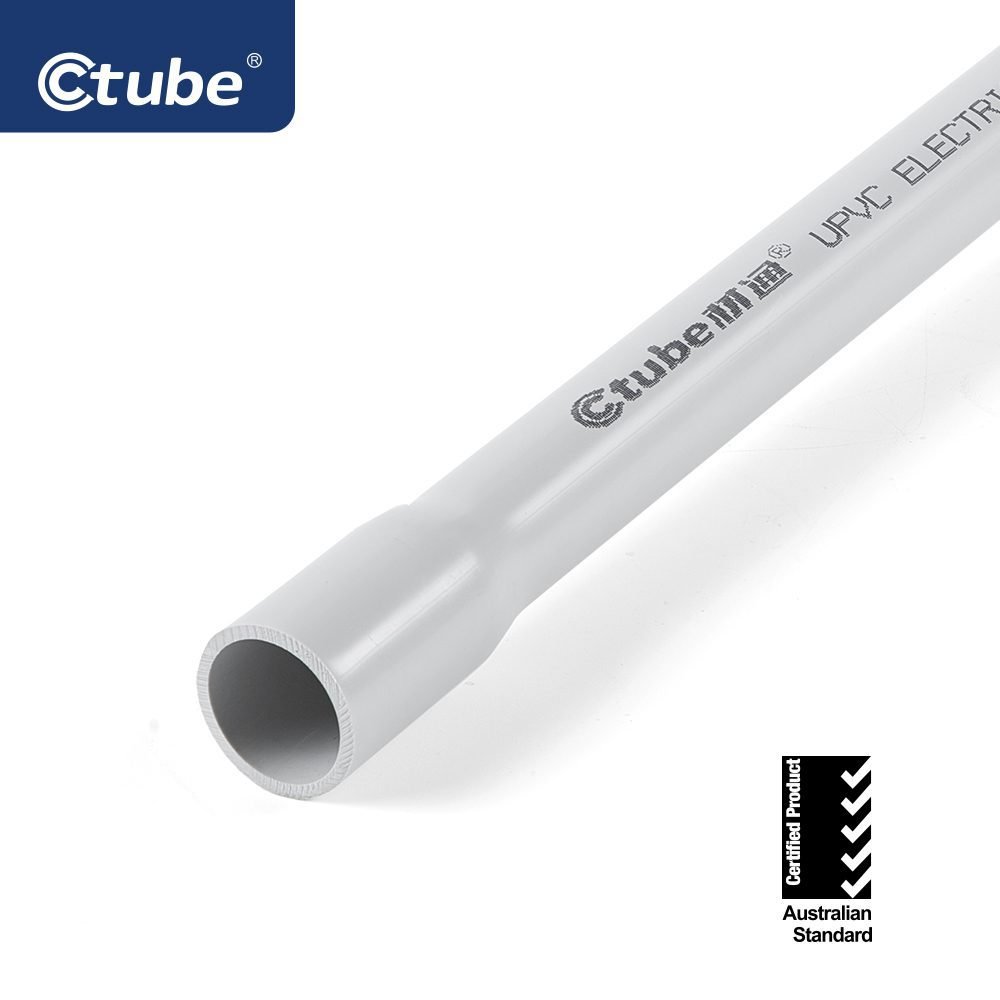
For over a decade, Ctube has been a trusted provider of electrical conduit solutions, specializing in PVC, UPVC, and LSZH conduits and fittings. Our dedication to quality and innovation has enabled us to deliver durable and reliable products for electrical installations across multiple industries.
Building on our expertise, we have now introduced a premium PPR water pipe, engineered for exceptional performance in plumbing applications. Crafted from advanced materials under rigorous quality standards, our PPR pipes offer outstanding resistance to heat, pressure, and corrosion, ensuring a dependable solution for water distribution systems.
Thank you for watching! If you have any questions or specific requirements, don’t hesitate to reach out—we’re here to help!
Frequently Asked Questions by PPR Sourcing Managers
How can I verify if a Chinese supplier is using 100% virgin PPR resin or mixed recycled material?
Visual inspections are insufficient as regrind resin looks identical after extrusion. To guarantee purity, you must demand an Oxidative Induction Time (OIT) test report (per ISO 15874 guidelines). Virgin PPR typically maintains an OIT exceeding 30 minutes at 200°C. Additionally, verify their raw material purchase manifests to ensure their copolymer is sourced from reputable chemical giants like Borealis, Sabic, or Hyosung.
What are the common lead times for bulk PPR pipe orders, and how can we optimize container space?
Standard factory lead times in China range from 15 to 25 days depending on the extrusion line schedule. To maximize your project margins and minimize ocean freight costs, we highly recommend fittings-in-pipe nesting or mix-loading matching socket-fusion fittings and valves within the same container. This eliminates paying for "shipping empty air" across international waters.
How do I ensure Chinese PPR pipe wall thicknesses match our local mechanical plumbing codes?
Ensure the factory strictly adheres to the Standard Dimension Ratio (SDR 6 or SDR 7.4) specified in your engineering blueprints. True B2B manufacturers employ continuous ultrasonic or digital micrometer monitoring on the extrusion lines. Always request an independent pre-shipment inspection (PSI) report that verifies wall thickness measurements at multiple cross-sectional points.
Why is there a massive price discrepancy between different PPR pipe quotes from China?
The price variance is driven by three main factors: resin purity, wall thickness compromises, and brass insert configurations for threaded fittings. Lower-priced quotes often cut costs by utilizing recycled regrind polymer, reducing the wall thickness below nominal ISO tolerances, or using cheap, low-grade recycled brass inserts that lack dezincification resistance (DZR).
Can mid-sized overseas distributors secure custom OEM branding without meeting massive corporate MOQs?
Traditional legacy mega-factories maintain rigid corporate policies and require immense Minimum Order Quantities (MOQs) for custom branding or specific lengths. However, choosing an agile, export-focused manufacturer like Ctube allows you to secure custom surface inkjet printing, proprietary color formulations, and customized packaging matrices with flexible, mid-scale entry barriers.