 English
  French
  Arabic
  Spanish (Chile)
  Portuguese
  Spanish (Mexico)
  German
  Indonesian
  Vietnamese
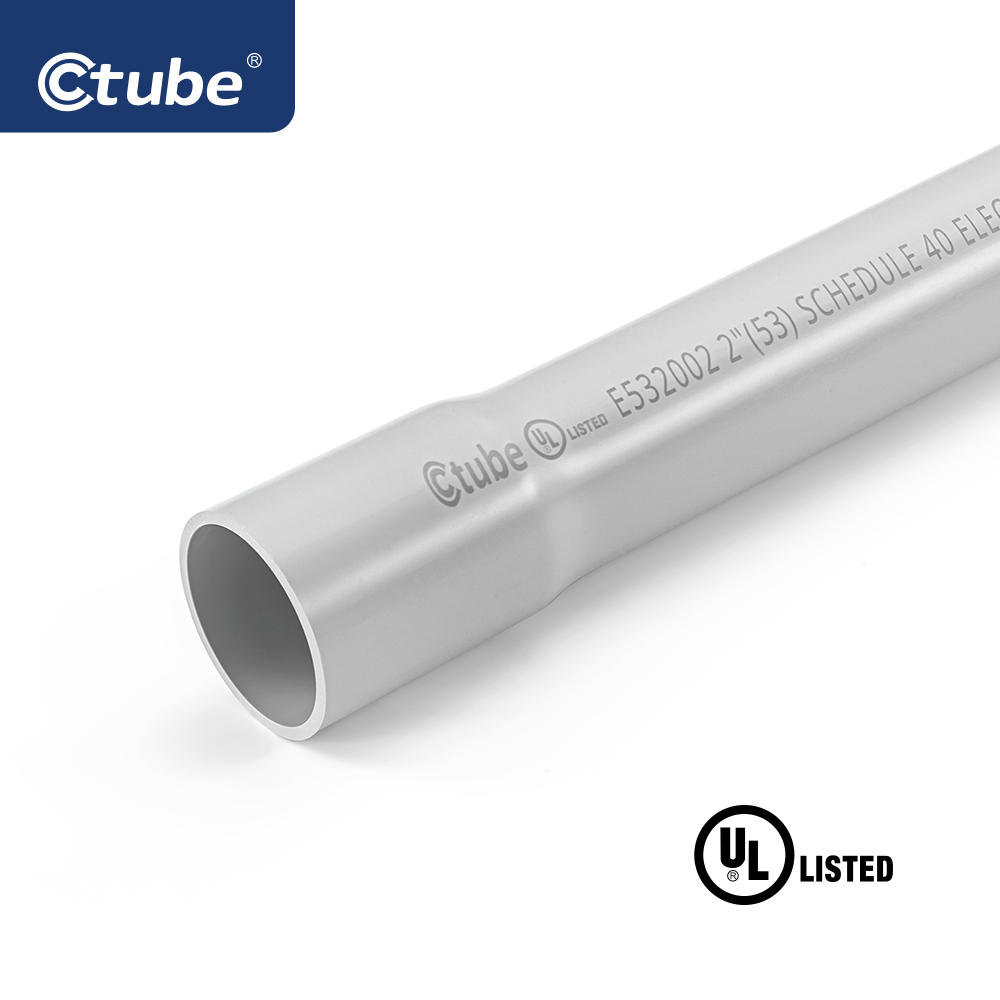
No, you cannot use plumbing PVC for electrical conduit. Plumbing PVC lacks the essential UV inhibitors and fire-retardant properties required for electrical safety. Using it violates the National Electrical Code (NEC) standards (specifically Article 352). To ensure safety and pass inspection, you must use gray electrical PVC conduit (Schedule 40 or 80) which is specifically designed to protect wiring from heat, impact, and sunlight.
When it comes to electrical installations, it is crucial to use the correct type of conduit to ensure safety and reliability. PVC conduit is a popular choice for electrical installations due to its affordability, durability, and ease of installation. However, there may be confusion about whether plumbing PVC can be used for electrical conduit. In this post, we will explore the differences between plumbing PVC and electrical conduit PVC and whether plumbing PVC can be used for electrical conduit.
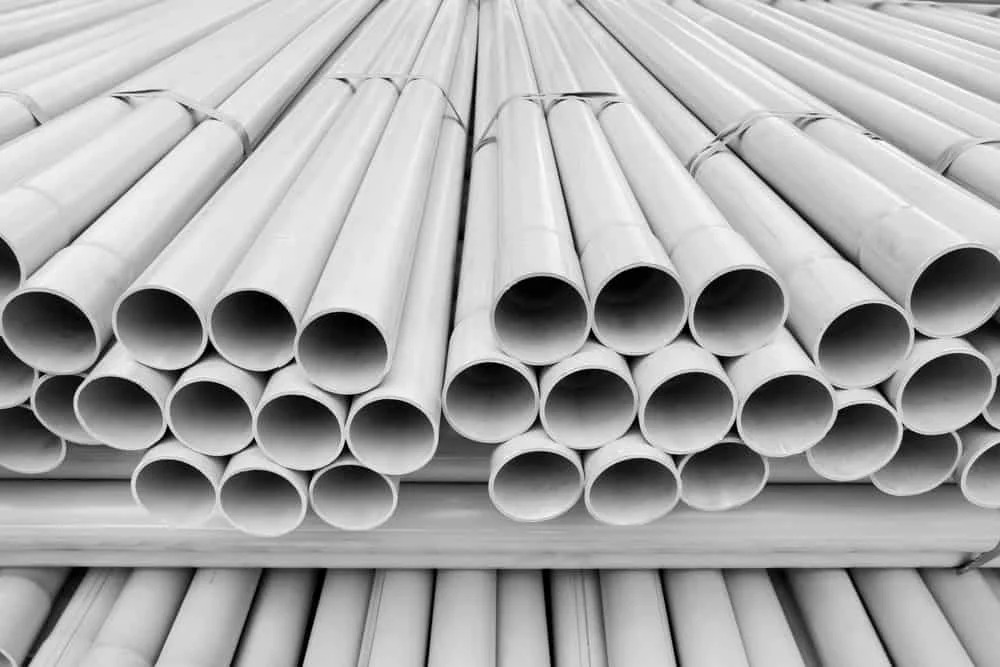
1.Differences between plumbing PVC and electrical conduit PVC
Plumbing PVC and electrical conduit PVC have some similarities, but they also have some key differences. Plumbing PVC is designed for non-pressurized applications such as drainage and venting, while electrical conduit PVC is designed specifically for electrical installations. Electrical conduit PVC is made with added UV inhibitors, impact modifiers, and fire retardants to protect against electrical hazards, extreme temperatures, and physical damage. Plumbing PVC does not have these added properties and may not provide adequate protection for electrical installations.
Comparison: Plumbing PVC vs. Electrical PVC Conduit
| Feature | Plumbing PVC Pipe | Electrical PVC Conduit | Why It Matters |
| Common Color | White | Gray | Helps inspectors quickly identify the system’s purpose. |
| UV Resistance | Low (Becomes brittle over time) | High (Contains UV inhibitors) | Electrical conduit is often exposed to direct sunlight outdoors. |
| Fire Safety | Not Rated (Can fuel a fire) | Self-extinguishing | Conduit must prevent the spread of fire in case of a short circuit. |
| Wall Thickness | Thinner (Schedule 40 variant) | Thicker/Reinforced (Designed for impact) | Protects wires from physical damage and ground pressure. |
| Joint Connection | Uses Tapered couplings (Watertight) | Uses Straight couplings (Glued) | Electrical joints are designed for pulling wires, not water pressure. |
| Code Compliance | ASTM D1785 (Plumbing) | NEC Article 352 / UL 651 | Using plumbing pipe for wiring will fail building inspections. |
2.Potential risks of using plumbing PVC for electrical conduit
Using plumbing PVC for electrical conduit can pose several risks. Plumbing PVC may not provide adequate protection against electrical hazards and may not be able to withstand high temperatures. This can lead to potential safety hazards, such as electrical shocks and fires. Additionally, plumbing PVC may degrade over time due to prolonged exposure to sunlight and weather conditions, which can compromise the integrity of the electrical installation.
3.Applicable codes and standards
The National Electrical Code (NEC) sets strict guidelines to ensure the safety of electrical installations, and it explicitly prohibits the use of plumbing pipes for enclosing wiring.
Specifically, NEC Article 352 governs the use of Rigid Polyvinyl Chloride Conduit (Type PVC). According to these regulations, any PVC pipe used for electrical wiring must be clearly marked and “Listed” for electrical use.
Furthermore, professional electrical conduits must meet stringent testing standards, such as UL 651 (Standard for Schedule 40, 80, Type EB and A Rigid PVC Conduit and Fittings). This ensures the conduit:
-
Can safely withstand specific operating temperatures (typically up to 90°C or 194°F).
-
Will not act as a fuel source in the event of an electrical short circuit.
Plumbing PVC is manufactured to meet ASTM plumbing standards for water pressure and flow, not electrical safety. Using it for wiring is a direct violation of NEC codes, poses severe fire hazards, and will result in a failed electrical inspection.
4.Alternatives to plumbing PVC for electrical conduit
There are various types of conduit materials suitable for electrical installations, such as steel, aluminum, and PVC electrical conduit. Each material has its advantages and disadvantages, and it is important to choose the right material for each application based on the specific requirements and conditions.
Based on the potential risks and hazards, it is not recommended to use plumbing PVC for electrical conduit. Electrical conduit PVC is specifically designed for electrical installations and provides the necessary protection against electrical hazards, extreme temperatures, and physical damage. As a responsible installer, it is important to follow the guidelines set forth by the NEC and other applicable codes and standards to ensure the safety and reliability of the electrical system.
In conclusion, when it comes to electrical installations, it is crucial to use the appropriate conduit material to ensure the safety and reliability of the electrical system. As a manufacturer of PVC conduit, it is our responsibility to provide high-quality and reliable products that meet the necessary standards and guidelines. Contact us today to learn more about our PVC conduit products and how we can help you with your electrical installation needs.
Conclusion: Don’t Compromise Safety for Cost
In summary, while plumbing PVC and electrical PVC conduit may look similar, they are engineered for entirely different purposes. Using white plumbing PVC for electrical wiring is a risky shortcut that leads to code violations, insurance issues, and serious fire hazards.
To ensure a safe, long-lasting, and NEC-compliant installation, always choose certified gray PVC electrical conduit. It is the only way to guarantee that your wiring is protected against UV rays, physical impact, and combustion.
Need High-Quality PVC Conduits for Your Project?
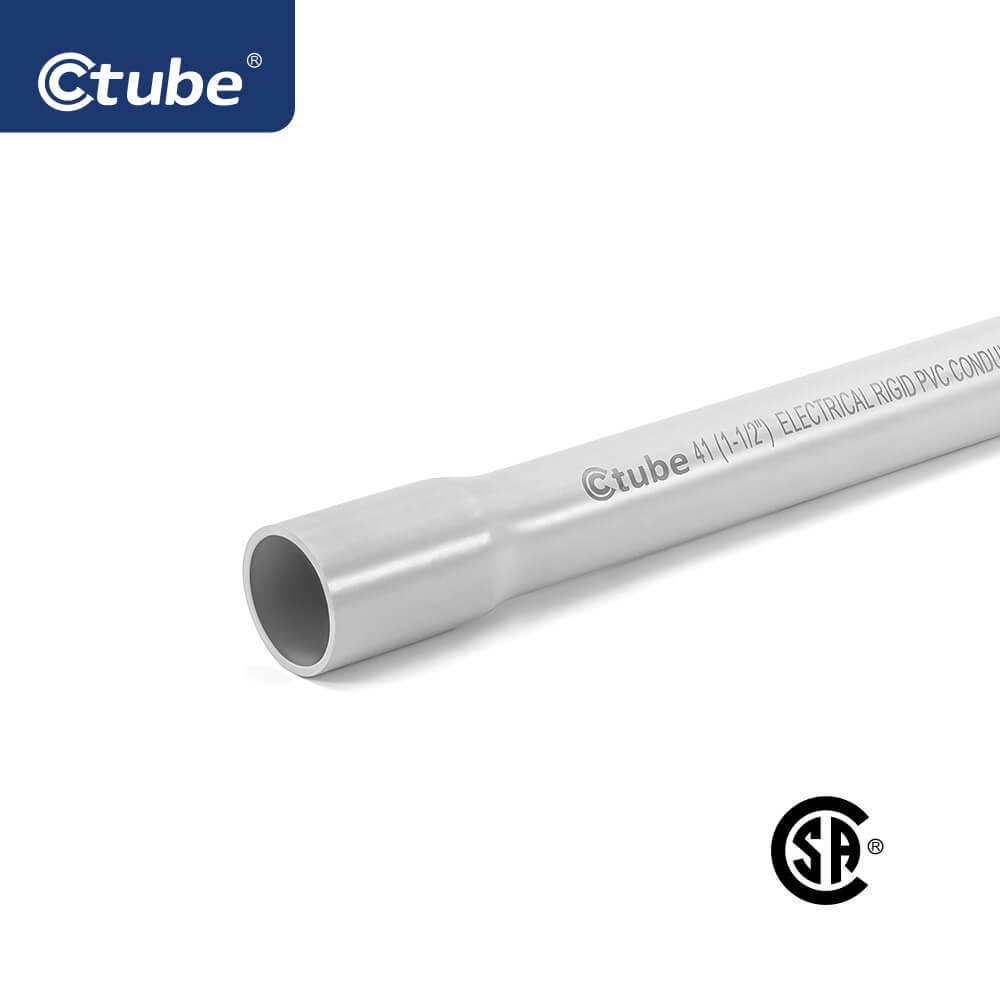
As a professional PVC conduit manufacturer, Ctube provides a full range of UL-listed and CSA-certified products, including Schedule 40 Conduit, Schedule 80 Conduit, and specialized fittings designed to meet international safety standards.
Contact our team today for a quick quote or to learn more about choosing the right conduit for your specific electrical needs. Let’s build a safer electrical infrastructure together!