 Indonesian
  English
  French
  Arabic
  Spanish (Chile)
  Portuguese
  Spanish (Mexico)
  German
  Vietnamese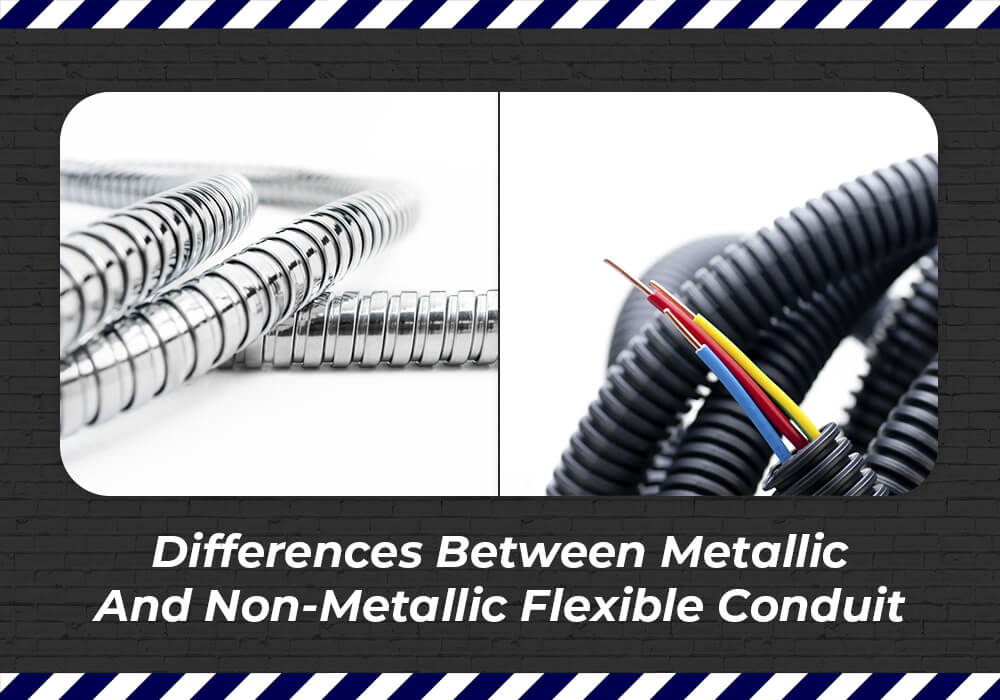
Electrical wiring requires protection from physical damage, moisture, dust, and other hazards. Flexible conduit is an excellent solution for these needs, as it allows cables to bend and twist while remaining protected. However, there are two types of flexible conduit available: metallic and non-metallic. In this post, we’ll explore the key differences between them to help you choose the right option for your application.
Metallic Flexible Conduit
Metallic flexible conduit is made of steel or aluminum, coated with a protective layer that resists corrosion and abrasion. It’s highly durable and can withstand high temperatures and extreme weather conditions. It’s also suitable for environments where electromagnetic interference (EMI) is a concern. However, it’s heavier than non-metallic conduit and can be more difficult to install in tight spaces.

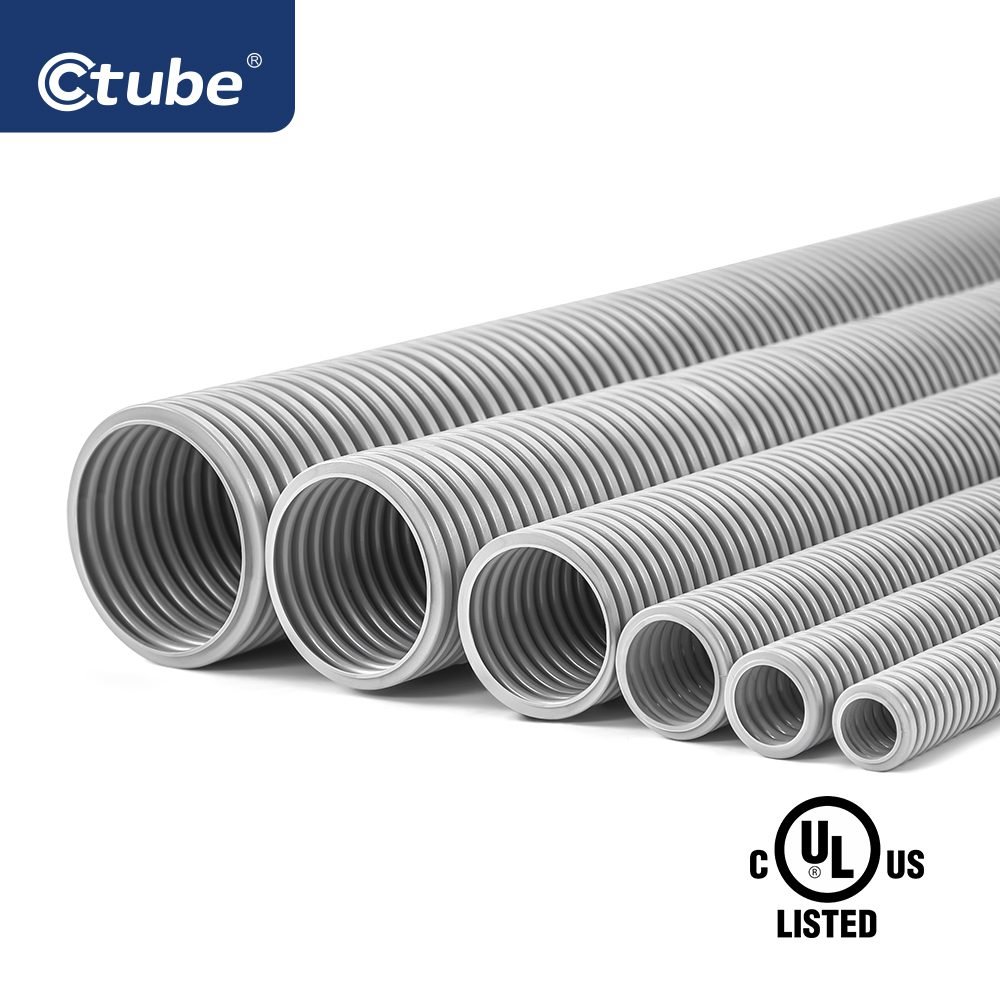
Non-metallic flexible conduit is made of plastic or nylon materials that are lightweight and easy to work with. It’s ideal for residential and commercial applications where flexibility is important but EMI protection isn’t necessary. Non-metallic conduit is less expensive than metal conduit and is resistant to most chemicals and UV radiation. However, it’s not as durable as metallic conduit and can become brittle over time.
Key Differences Between Metallic and Non-Metallic Flexible Conduit
- Physical properties: metallic conduit is heavier and stronger than non-metallic conduit, which is lighter and more flexible.
- Electrical properties: metallic conduit offers better shielding against EMI than non-metallic conduit.
- Cost and availability: metallic conduit is more expensive than non-metallic conduit, but it’s widely available in various sizes and shapes.
Choosing the Right Flexible Conduit for Your Application When selecting between metallic and non-metallic conduit, consider the specific needs of your installation, such as the environment, the types of cables you’re using, and your budget. It’s also important to follow proper installation guidelines to ensure that the conduit provides adequate protection and doesn’t compromise the integrity of the wiring.
In conclusion, flexible conduit is an essential component in electrical installations, offering protection against various hazards. By understanding the differences between metallic and non-metallic conduit, you can make an informed decision about which type will best suit your needs. If you’re unsure which option to choose, consult with a qualified electrician or conduit manufacturer for expert advice.