 Indonesian
  English
  French
  Arabic
  Spanish (Chile)
  Portuguese
  Spanish (Mexico)
  German
  Vietnamese
1. Pendahuluan
When we think about electrical conduit, we often imagine it hidden behind walls or ceilings. But in many commercial, industrial, and even modern residential spaces, exposed conduit is not only practical—it’s necessary.
Whether it’s in a warehouse, a garage, or a trendy loft apartment, exposed conduit makes wiring more accessible and easier to maintain. However, leaving conduit out in the open comes with its own set of rules and risks. From safety to looks to meeting building codes, there are a few important things to keep in mind before going with this option.
In this article, we’ll break down what you need to consider when installing exposed conduit, the best types of conduit for the job, and how to make sure your system is both safe and professional-looking.
2. Key Considerations for Installing Exposed Conduit Systems Safely and Effectively
Once you’ve selected the right type of conduit for your exposed installation, the next step is just as important: making sure it’s installed properly, safely, and in full compliance with local codes and site-specific conditions. Exposed conduit is visible and often accessible, which means mistakes are harder to hide—and more likely to cause problems.
From building codes to aesthetics, and from support spacing to long-term maintenance, here are the key factors you should evaluate before and during installation:
📘 a. Code Compliance (NEC and Local Requirements)
🌤️ b. Environmental Factors
🎨 c. Aesthetic Requirements
🛠️ d. Installation Best Practices
⚠️ e. Safety and Accessibility
Exposed conduit installations must meet specific requirements outlined by the National Electrical Code (NEC) and local regulations. Ignoring these rules can result in safety hazards or inspection failures.
• Support spacing: NEC defines maximum distances between supports—e.g., EMT typically requires supports within 3 meters (10 feet) and within 900 mm (3 feet) of each box or fitting.
• Bend radius: Follow the minimum bend radius per conduit type to avoid cable damage.
• Fittings and connectors: Use only listed and compatible fittings—properly installed to maintain integrity.
• Special zones: In hazardous locations (Class I/II/III), only explosion-proof systems are allowed.
Environmental conditions can affect conduit performance over time.
• UV exposure: Outdoor conduits must be marked “sunlight-resistant” (especially for PVC and LFNC).
• Moisture or chemical exposure: Use corrosion-resistant materials in rooftops, coastal areas, or chemical zones.
• Indoor vs. outdoor: Don’t use dry-location-only conduit outdoors, even under a canopy.
• Plan ahead: Think about seasonal moisture, cleaning chemicals, or future layout changes that increase exposure.
In visible spaces, exposed conduit becomes a design element.
• Commercial environments: Keep conduit level and aligned with architecture.
• Material choice: EMT fits modern-industrial interiors; PVC may need painting to blend.
• Painting: If painted, use approved coatings that don’t void the conduit’s UL rating.
• Mounting hardware: Choose matching or decorative straps and boxes for a clean finish.
Precise installation ensures long-term performance and safety.
• Support spacing: NEC requires different spacing—e.g., PVC: 3 ft, LFMC: closer spacing.
• Thermal movement: Use expansion joints for PVC or fiberglass in long runs.
• Grounding and bonding: Metallic conduits must be bonded to prevent shock.
• Avoid high-heat zones: Don’t install near heat sources without checking temperature ratings.
Exposed conduit presents risks—plan for safety and maintenance.
• Shock hazard: Metal conduit in reachable areas must be grounded and water-sealed if liquidtight.
• Clearances: Keep pathways clear around conduit, especially near doors or stairs.
• Serviceability: Ensure conduits are accessible for future work, upgrades, or inspections.
• Avoid obstacles: Don’t create trip hazards or cramped service areas—design with people in mind.
3. Types of Conduit Used in Exposed Installations
When electrical conduit is installed in exposed locations—such as open ceilings, outdoor walls, or unfinished basements—it needs to do more than simply carry wires. Unlike conduit hidden inside walls, exposed conduit is directly visible and vulnerable to weather, physical impact, corrosion, and even UV damage.
🔩 a. Rigid Metal Conduit (RMC)
🧱 b. Intermediate Metal Conduit (IMC)
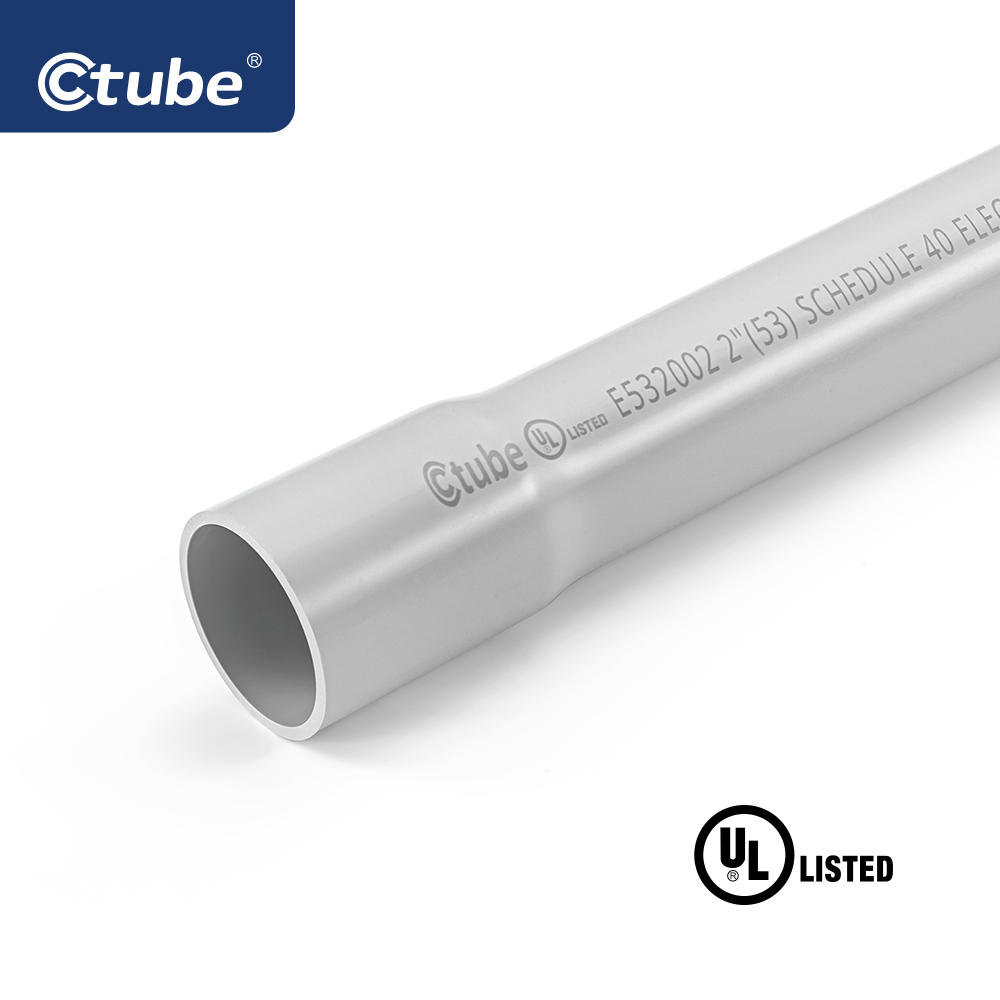
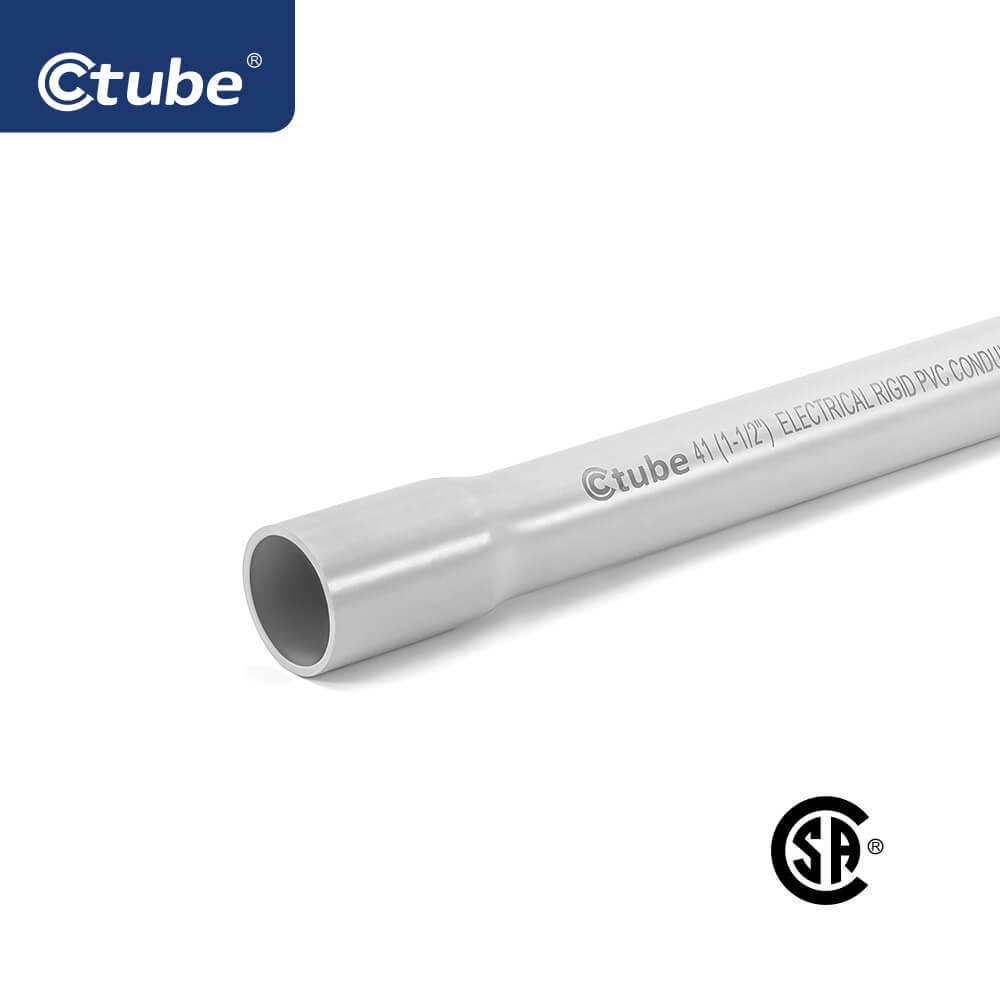
🧊 d. PVC Conduit
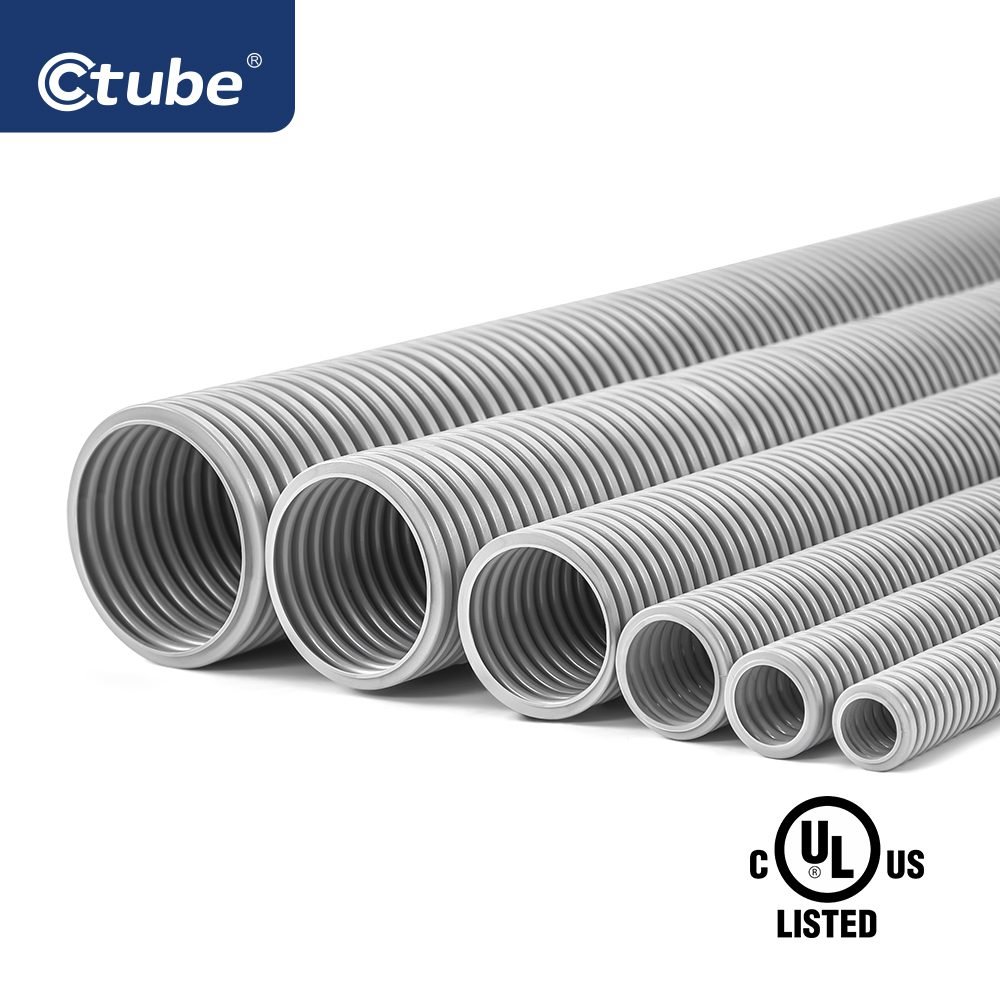
💦 e. Liquidtight Flexible Conduit (LFMC / LFNC)
🧪 f. Fiberglass Reinforced Conduit (FRC / RTRC)
Selecting the right type of conduit is critical for both safety and long-term performance.The ideal exposed conduit should offer:
• Ketahanan terhadap korosi to prevent rust and decay
• Mechanical strength to protect against damage
• Weatherproofing for outdoor or wet areas
• Clean finish for visible installationsFrom warehouses to rooftop solar, different applications demand different levels of protection. Below is a breakdown of common conduit types and when to use them.
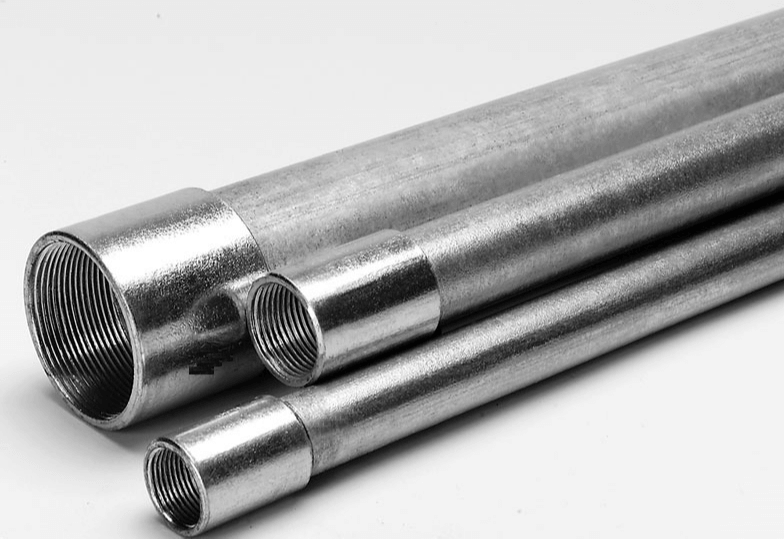
RMC is thick galvanized steel—one of the most durable conduit types. It’s threaded, allowing tight, secure connections.
✅ Strengths:
• Very strong—resists impact and weather
• Excellent corrosion protection (hot-dip galvanized)
• Suitable for above and below ground
📍 Uses: Building exteriors, industrial plants, mechanical rooms
⚠️ Watch out for: Heavy weight and threading requirements
IMC is thinner than RMC, but still strong and rust-resistant.
✅ Strengths:
• Easier to install than RMC
• Approved for wet, dry, and exposed use
• Compatible with RMC fittings
📍 Uses: Garages, exposed ceilings, commercial sites
💡 Bonus: Cost-effective substitute for RMC outdoors
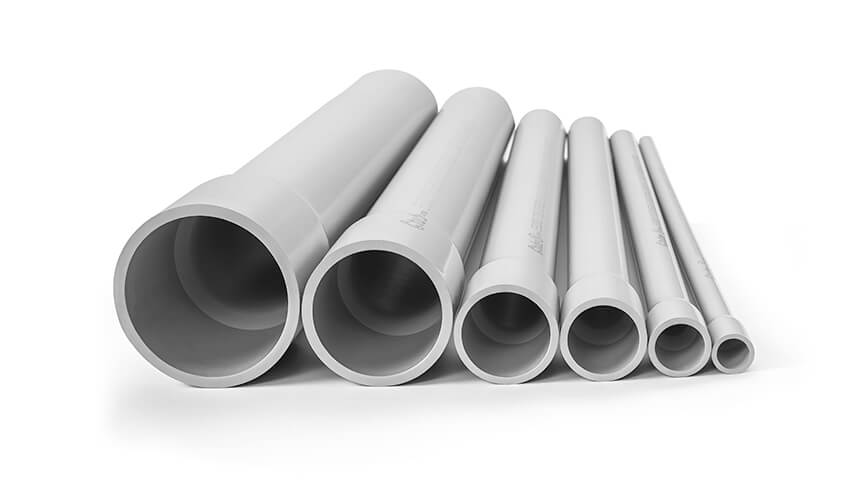
UV-rated PVC can be used outdoors when properly supported.
✅ Strengths:
• Will not rust—great for wet or chemical areas
• Flame-retardant and non-conductive (if rated)
• Available in Schedule 40 and 80
🛠️ Tips:
• Look for “sunlight-resistant” marking
• Use expansion fittings to account for thermal movement
📍 Uses: Pools, car washes, marinas
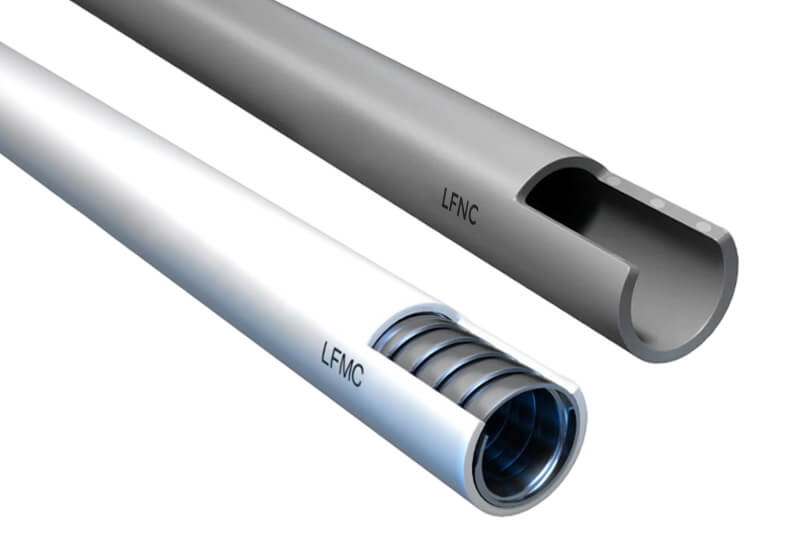
Flexible conduits with waterproof jackets—great for vibration and movement.
🔧 LFMC:
• Metal core—better for grounding
• Ideal for HVAC, pumps, motors
🧰 LFNC:
• Fully plastic—won’t rust, lightweight
• Suitable for damp areas with low impact risk
🛠️ Tips:
• Use listed connectors to maintain watertight seal
• Strap securely—flexible conduit still needs support
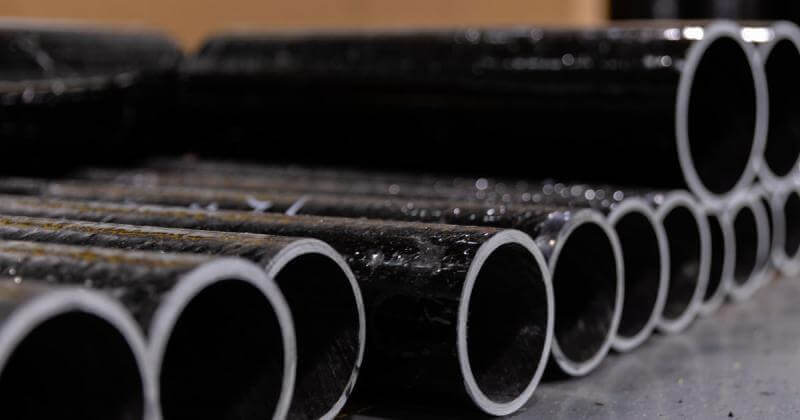
Fiberglass conduit (RTRC) is non-metallic, lightweight, and ideal for corrosive environments.
✅ Strengths:
• Will not rust—ideal for coastal or chemical zones
• High temperature tolerance (often up to 150°C)
• Electrically non-conductive
• Very lightweight—easy to handle
📍 Uses: Oil & gas, wastewater, rooftops near saltwater
🛠️ Installation:
• Needs special resin-bonded or mechanical fittings
• Often rated for both above- and below-ground
• Choose RTRC-XW for thicker walls in exposed installs
💡 Why choose it?
• Long-term corrosion resistance
• Low maintenance in extreme environments
4. Conclusion
Exposed conduit can be both functional and visually appealing—if you plan it right. Choosing the right conduit type is only the first step. To ensure long-term performance, safety, and compliance, you also need to consider environmental factors, code requirements, aesthetics, and proper installation techniques.
Whether you’re wiring a commercial building, an industrial facility, or a modern residential space, exposed conduit systems offer flexibility, easy access for maintenance, and in many cases, a clean, modern look. But to get it right, every decision—from material selection to support spacing—matters.
Thank you for your reading, and hope this post helpful.
5. About Ctube
Ctube is a trusted supplier of high-quality electrical conduit systems designed for global markets. Our products are certified to meet international standards, including UL, CSA, CE, and AS/NZS.
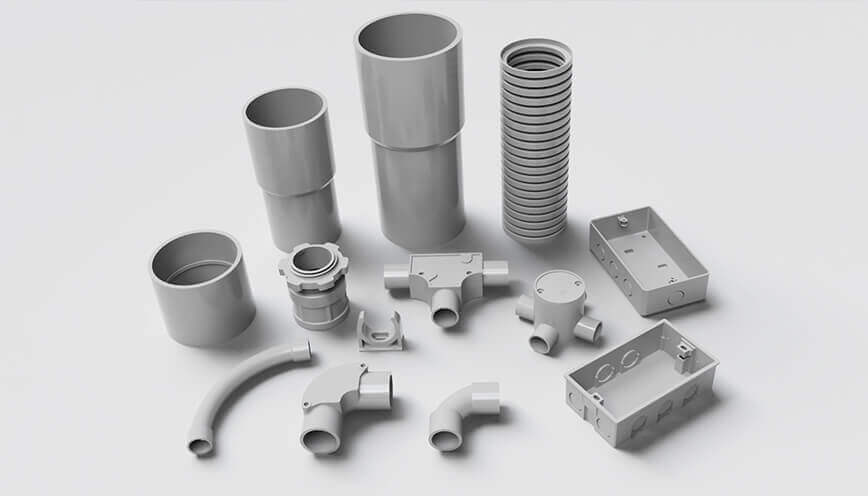
From rigid PVC conduit and flexible solutions to specialty lines like LSZH, solar conduit, and direct burial systems, we offer durable, code-compliant options for every type of installation—including exposed applications.
Looking for the right conduit for your next project? Contact Ctube today to learn more or request a product sample. We’re here to help you build smarter, safer, and more efficient electrical systems.