 Indonesian
  English
  French
  Arabic
  Spanish (Chile)
  Portuguese
  Spanish (Mexico)
  German
  Vietnamese
1. Pendahuluan
1.1 Gambaran Umum Instalasi Serat Optik
Teknologi serat optik adalah tulang punggung komunikasi modern, memungkinkan internet berkecepatan tinggi, telekomunikasi, dan transmisi data melintasi jarak yang sangat jauh. Kabel serat optik menawarkan bandwidth yang luar biasa, kecepatan transfer data yang lebih tinggi, dan kehilangan sinyal minimal dibandingkan dengan kabel tembaga tradisional, menjadikannya pilihan utama untuk infrastruktur dalam segala hal mulai dari broadband perumahan hingga jaringan komunikasi global.
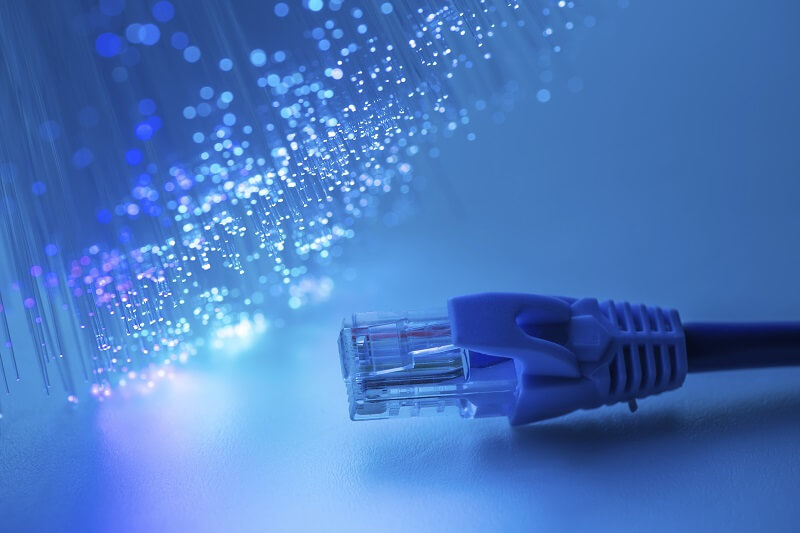
Namun, seefisien dan sekuat apa pun kabel serat optik, kabel tersebut tetap rentan terhadap kerusakan fisik akibat faktor lingkungan, benturan mekanis, dan interferensi. Di sinilah pentingnya perlindungan saluran kabel menjadi jelas. Saluran kabel bertindak sebagai saluran pelindung yang menampung kabel serat optik, melindunginya dari ancaman eksternal seperti kelembapan, panas berlebih, tekanan, dan paparan sinar UV. Saluran kabel memastikan fungsi jaringan serat optik yang aman dan andal, mengurangi risiko degradasi sinyal, kerusakan fisik, dan waktu henti yang mahal.
Dalam instalasi serat optik, pemilihan pipa pelindung yang tepat sama pentingnya dengan kabel itu sendiri. Pipa pelindung harus cukup kuat untuk menahan potensi bahaya lingkungan, memudahkan pemasangan, dan memungkinkan fleksibilitas jangka panjang.
1.2 Tujuan Panduan
Sepanjang panduan ini, kita akan menjelajahi berbagai jenis saluran serat optik, sifat materialnya, dan kesesuaiannya untuk berbagai lingkungan instalasi. Dengan memahami kebutuhan unik jaringan serat optik Anda, Anda dapat membuat pilihan yang tepat yang tidak hanya memberikan perlindungan yang andal tetapi juga meningkatkan efisiensi keseluruhan sistem Anda.
2. Memahami Saluran Serat Optik
2.1 Apa Itu Saluran Serat Optik?
Saluran serat optik adalah tabung atau saluran pelindung yang dirancang untuk menampung dan melindungi kabel serat optik selama pemasangan. Terbuat dari berbagai material, saluran ini melindungi kabel serat optik yang sensitif dari kerusakan fisik, bahaya lingkungan, dan tekanan mekanis, yang jika tidak dilindungi dapat menyebabkan penurunan kualitas sinyal, kehilangan data, atau perbaikan yang mahal.
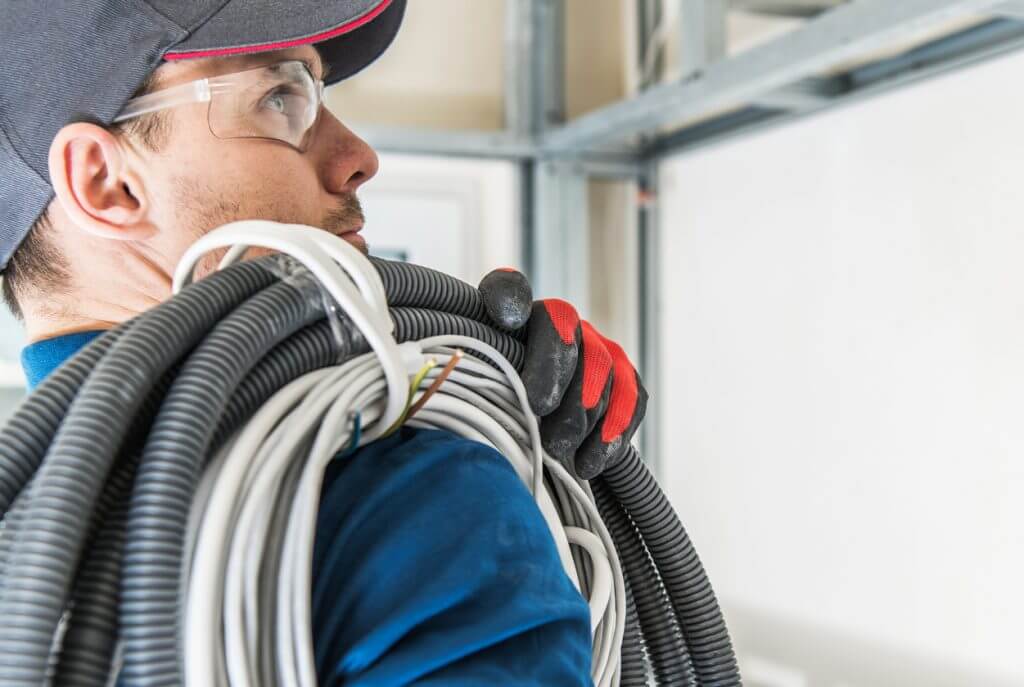
Saluran kabel tersedia dalam berbagai bentuk, ukuran, dan material tergantung pada kebutuhan spesifik instalasi, termasuk pilihan yang kaku dan fleksibel, dan dapat digunakan untuk aplikasi di bawah tanah maupun di atas tanah.
2.2 Mengapa Perlindungan Konduit Sangat Penting untuk Kabel Serat Optik
Kabel serat optik sangat sensitif, terdiri dari serat kaca atau plastik yang rapuh yang membawa sinyal cahaya untuk transmisi data. Meskipun kabel ini menawarkan manfaat yang sangat besar dalam hal kecepatan dan bandwidth, kabel ini rentan terhadap kerusakan akibat berbagai faktor lingkungan dan mekanis. Hal ini menjadikan perlindungan konduit sebagai komponen penting dari setiap instalasi serat optik.
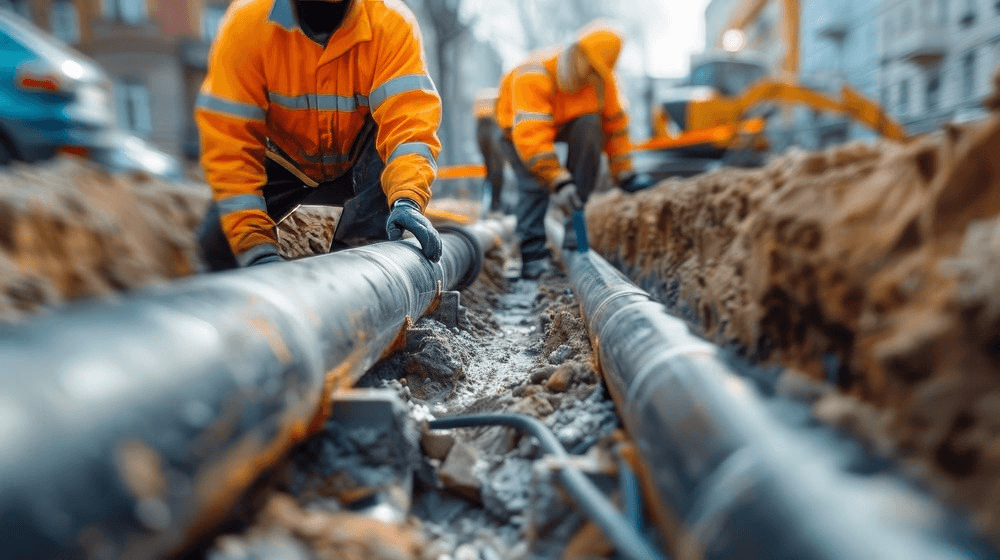
Perlindungan Kerusakan FisikKabel serat optik sangat rapuh, dan bahkan kerusakan fisik ringan—seperti bengkok, terjepit, atau tertarik—dapat mengganggu kinerjanya atau membuatnya tidak dapat digunakan. Pelindung konduit melindungi kabel dari tekanan mekanis eksternal, seperti benturan yang tidak disengaja, tekanan dari aktivitas konstruksi, atau terjepit oleh benda berat lainnya.
Perlindungan LingkunganKabel serat optik dapat terpapar unsur-unsur lingkungan yang keras yang dapat menyebabkan korosi atau degradasi seiring waktu. Misalnya, air, kelembapan, atau perubahan suhu ekstrem dapat menyebabkan serat membengkak, bengkok, atau kehilangan kemampuan transmisinya. Konduit menyediakan penghalang yang membantu mencegah masuknya kelembapan dan fluktuasi suhu yang dapat merusak kabel.
Ketahanan terhadap Sinar UV dan Bahan KimiaPada instalasi luar ruangan, radiasi UV dari matahari dapat menyebabkan kabel serat optik mengalami degradasi dan kehilangan efektivitasnya seiring waktu. Material tertentu, seperti pipa PVC dengan lapisan tahan UV, dapat melindungi kabel dari sinar UV yang berbahaya. Selain itu, instalasi bawah tanah atau industri dapat memaparkan kabel pada berbagai bahan kimia, dan pipa yang tepat menyediakan lapisan pelindung untuk mencegah kerusakan kimia pada serat.
Mengorganisasi dan Menyederhanakan InstalasiSaluran kabel juga memiliki fungsi pengorganisasian. Saluran ini memungkinkan penataan kabel yang terstruktur, rapi, dan teratur, yang sangat penting dalam instalasi skala besar. Pengorganisasian yang tepat tidak hanya meningkatkan estetika instalasi tetapi juga menyederhanakan pemecahan masalah dan pemeliharaan. Hal ini memastikan bahwa kabel mudah diakses untuk perbaikan atau peningkatan yang diperlukan.
Kemudahan Ekspansi di Masa DepanSistem serat optik sering mengalami peningkatan atau perluasan seiring dengan meningkatnya tuntutan teknologi. Saluran kabel (conduit) menyediakan cara mudah untuk memasang kabel tambahan atau mengganti kabel yang rusak tanpa mengganggu seluruh jaringan. Hal ini menjadikan perlindungan saluran kabel sebagai pertimbangan utama untuk mempersiapkan jaringan serat optik di masa depan.
3. Jenis-Jenis Saluran Serat Optik
3.1 Saluran Kaku vs. Saluran Fleksibel
Memilih jenis pipa konduit yang tepat sangat penting untuk memastikan keamanan dan kinerja instalasi fiber optik Anda. Ada dua jenis utama pipa konduit: kaku dan fleksibel.
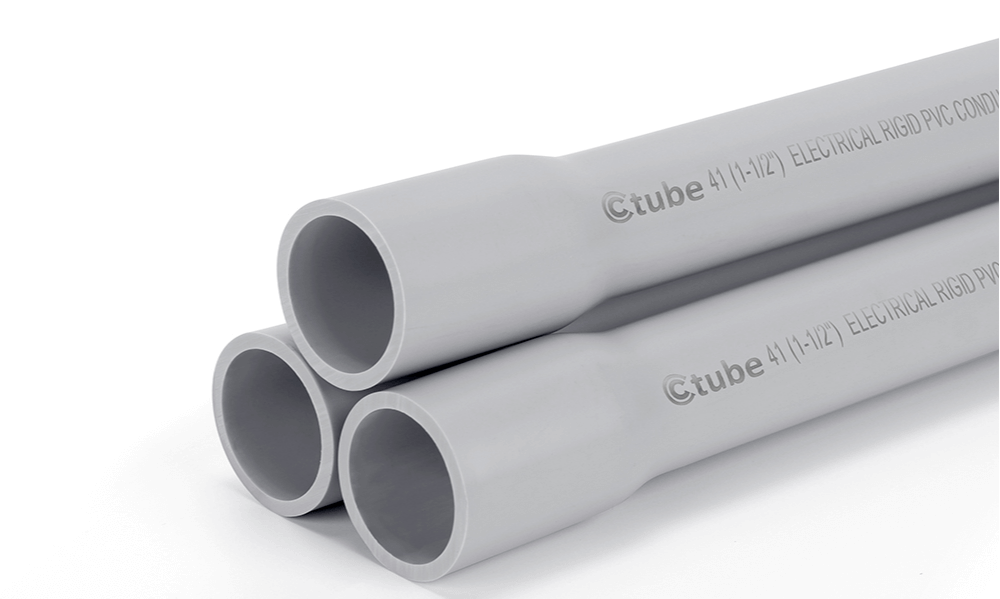
3.1.1 Saluran Kaku
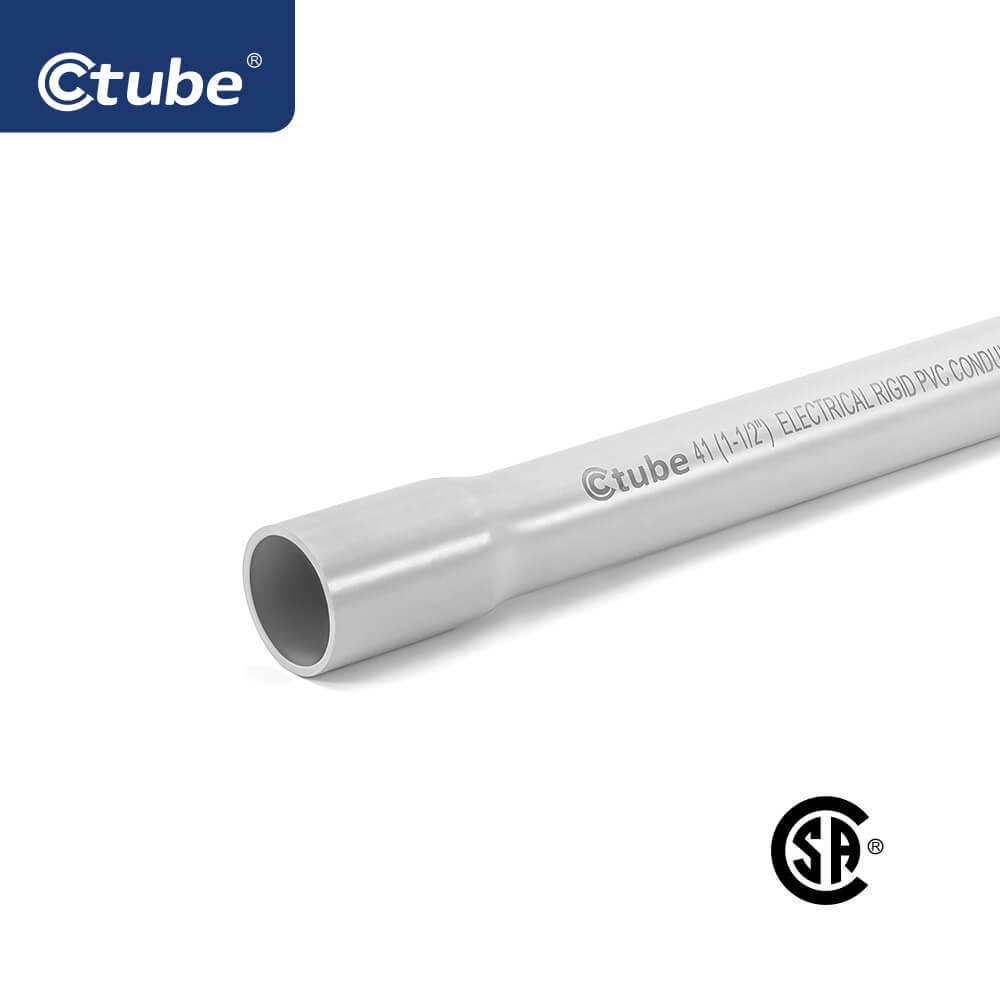
Saluran kaku terbuat dari material padat yang memberikan ketahanan tinggi terhadap gaya mekanis eksternal. Saluran ini biasanya digunakan dalam instalasi di mana saluran perlu tetap berada di satu posisi tetap dan tahan terhadap kerusakan akibat benturan, tekanan, atau kondisi cuaca ekstrem. Material umum untuk saluran kaku meliputi pilihan logam seperti baja, aluminium, dan PVC, yang keduanya menawarkan perlindungan yang sangat baik untuk kabel serat optik.
Keunggulan Pipa Konduit Kaku:
- Daya tahanSaluran kaku dapat menahan kerusakan fisik akibat tekanan, benturan, dan abrasi.
- Perlindungan AmanIdeal untuk instalasi bawah tanah atau luar ruangan di mana kabel serat optik mungkin terpapar ancaman lingkungan seperti air atau tekanan tanah.
- Ketahanan terhadap CuacaBeberapa pipa kaku dirancang untuk tahan terhadap degradasi UV, sehingga cocok untuk penggunaan di luar ruangan.
Aplikasi:
- Digunakan dalam instalasi bawah tanah atau luar ruangan di mana saluran kabel tidak perlu disesuaikan atau dialihkan.
- Sangat penting untuk area dengan dampak tinggi seperti lokasi konstruksi, fasilitas industri, atau bangunan komersial di mana perlindungan ekstra diperlukan.
3.1.2 Saluran Fleksibel
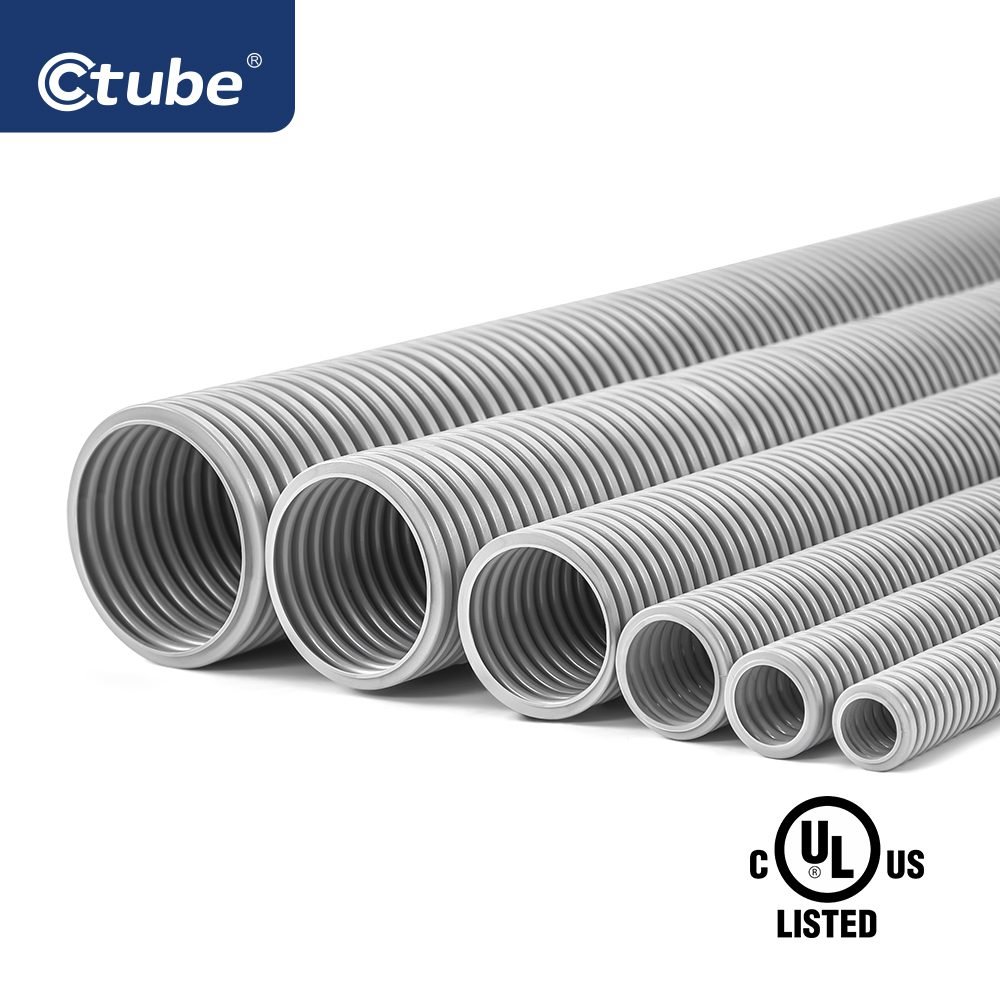
Saluran fleksibel, yang terbuat dari bahan seperti PVC fleksibel atau komposit hibrida, dirancang untuk memberikan fleksibilitas. Saluran ini mudah ditekuk, sehingga cocok untuk ruang sempit atau area di mana jalur instalasi dapat berubah seiring waktu. Saluran fleksibel juga cenderung lebih ringan daripada pilihan yang kaku, sehingga lebih mudah dipasang di area dengan akses terbatas.
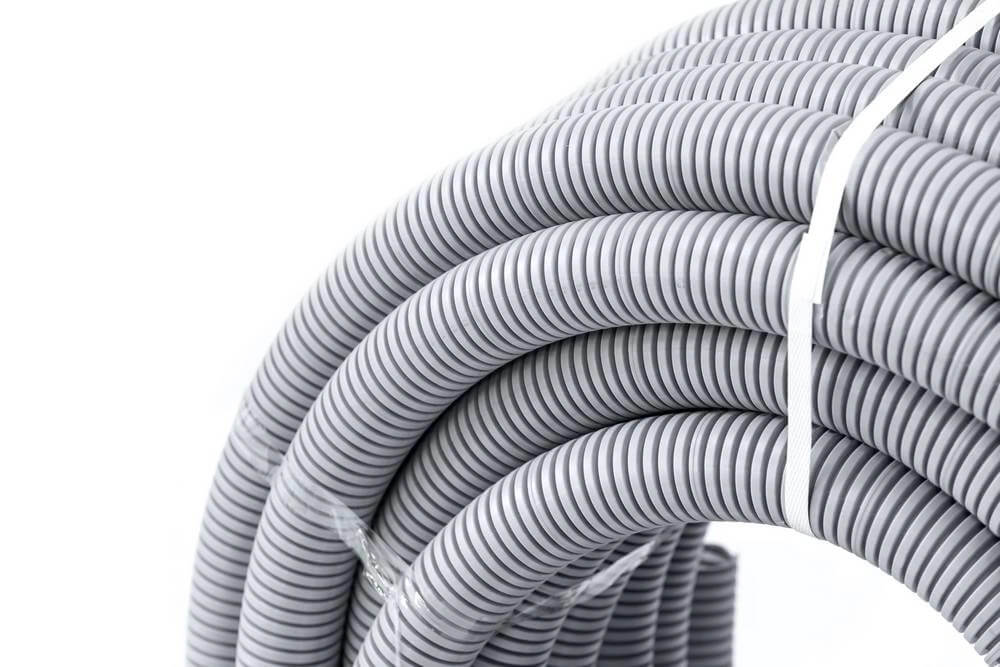
Keunggulan Saluran Fleksibel:
- Kemudahan PemasanganFleksibilitasnya memungkinkan pemasangan yang cepat dan dengan sedikit penyesuaian.
- Kemampuan beradaptasiIdeal untuk ruangan di mana saluran kabel mungkin perlu dialihkan atau disesuaikan, seperti di pusat peralatan atau pusat data.
- Ringan: Lebih mudah ditangani dan dipasang dibandingkan dengan alternatif yang kaku.
Aplikasi:
- Umumnya digunakan di lingkungan komersial, bangunan tempat tinggal, atau pusat data di mana instalasi berada di ruang terbatas atau di mana pengalihan jalur yang sering mungkin diperlukan.
- Cocok untuk digunakan di ruang listrik atau area dengan tata letak yang berubah-ubah atau kebutuhan perluasan di masa mendatang.
3.2 Pilihan Material untuk Saluran Serat Optik
Pemilihan material untuk saluran serat optik sangat berpengaruh terhadap daya tahan, kinerja, dan efektivitas biaya. Berikut adalah beberapa material yang paling umum digunakan untuk saluran serat optik.
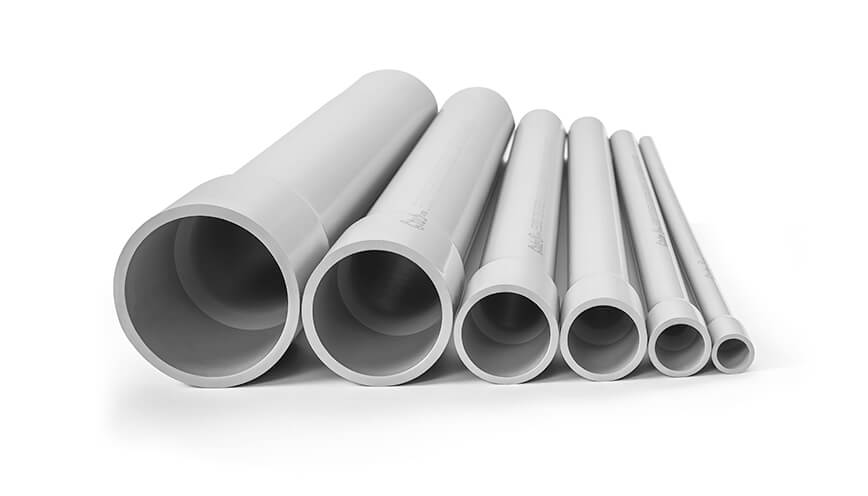
3.2.1 Saluran PVC
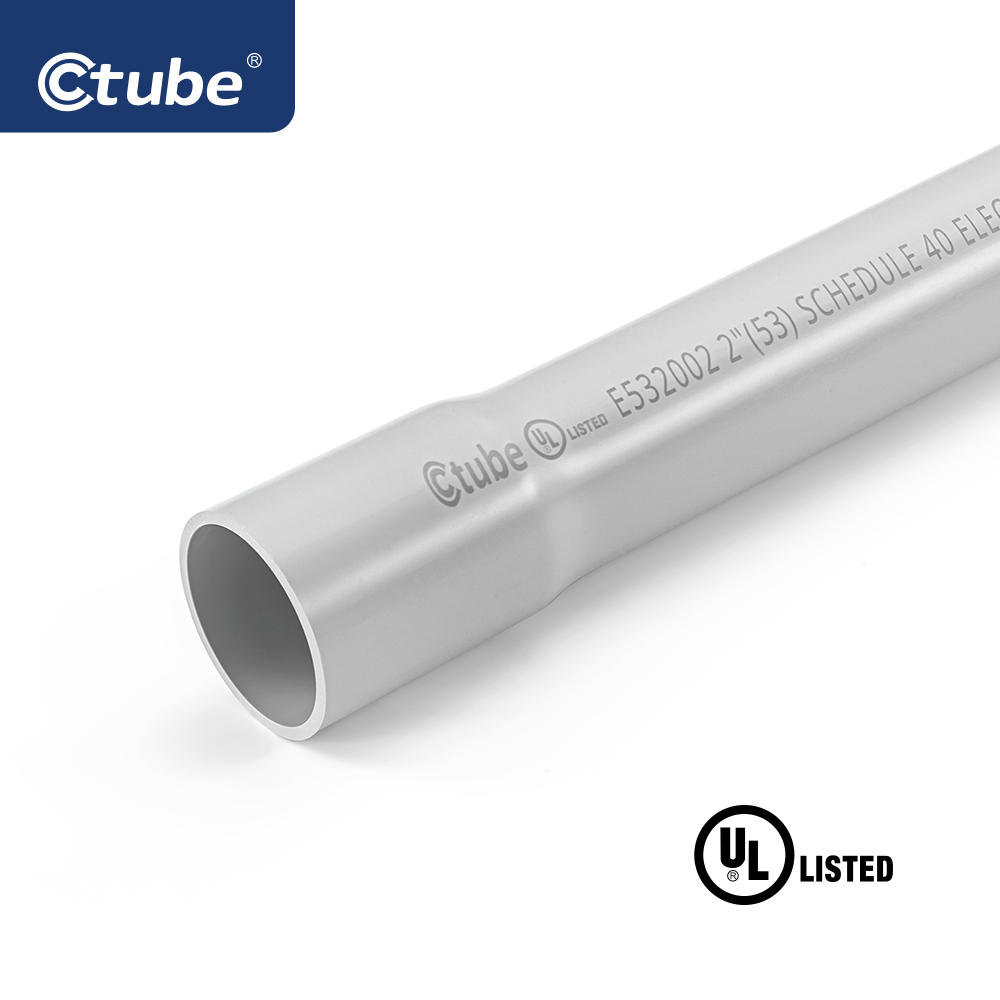
PVC adalah salah satu material yang paling banyak digunakan untuk saluran serat optik karena keseimbangan yang sangat baik antara biaya, fleksibilitas, dan perlindungan. Saluran PVC ringan, tahan lama, dan mudah dipasang. Saluran ini menawarkan perlindungan dari kelembapan, abrasi, dan bahan kimia tertentu, sehingga cocok untuk banyak aplikasi di dalam dan luar ruangan.
Keunggulan Pipa PVC:
- Hemat BiayaPVC umumnya lebih terjangkau dibandingkan alternatif logam seperti baja atau aluminium.
- Ketahanan KorosiTahan terhadap air, banyak bahan kimia, dan korosi, sehingga ideal untuk aplikasi di bawah tanah atau di luar ruangan.
- Ringan: Lebih mudah ditangani dan dipasang dibandingkan dengan pipa logam.
Aplikasi:
- Ideal untuk instalasi perumahan, komersial, dan industri di mana kemudahan pemasangan, keterjangkauan, dan perlindungan dari lingkungan merupakan pertimbangan utama.
- Umumnya digunakan untuk aplikasi dalam ruangan di lingkungan kering atau sedang, serta untuk aplikasi bawah tanah di mana kelembapan bukanlah masalah.
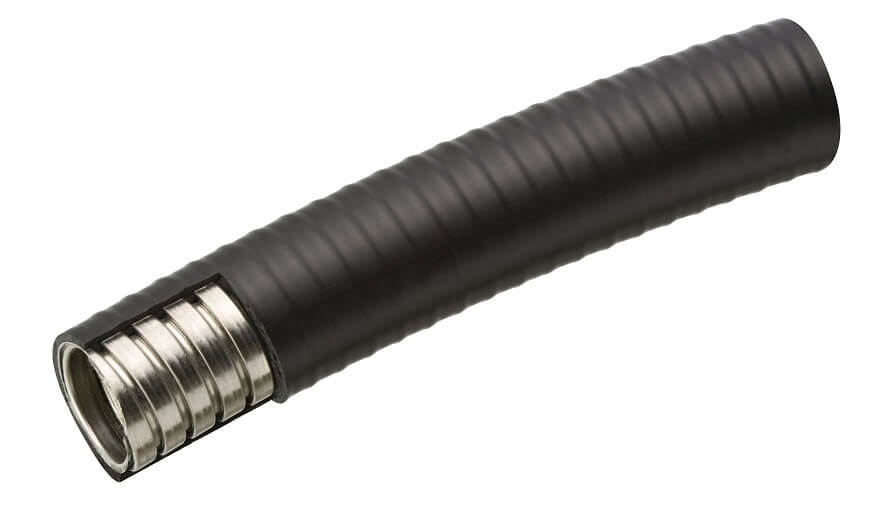
3.2.2 Saluran Hibrida
Saluran hibrida menggabungkan kekuatan material seperti baja atau aluminium dengan fleksibilitas PVC, menciptakan struktur hibrida yang menawarkan keunggulan dari kedua material tersebut. Lapisan PVC memberikan ketahanan terhadap kelembapan, sementara inti logam memberikan perlindungan mekanis yang superior.
Keunggulan Saluran Kabel Hibrida:
- Peningkatan KekuatanInti logam memberikan perlindungan yang lebih baik terhadap benturan fisik dan tekanan.
- Fleksibilitas dan PerlindunganLapisan PVC menambah fleksibilitas dan ketahanan terhadap korosi.
- Fleksibilitas: Cocok untuk instalasi yang membutuhkan fleksibilitas dan perlindungan terhadap benturan tinggi.
Aplikasi:
- Ideal untuk lingkungan di mana kabel serat optik membutuhkan fleksibilitas dan perlindungan mekanis yang tinggi, seperti lingkungan industri atau lokasi dengan gangguan fisik yang sering terjadi atau paparan di luar ruangan.
- Digunakan di area yang membutuhkan pipa konduit yang mampu menahan tekukan atau puntiran yang signifikan sambil tetap mempertahankan tingkat ketahanan benturan yang tinggi.
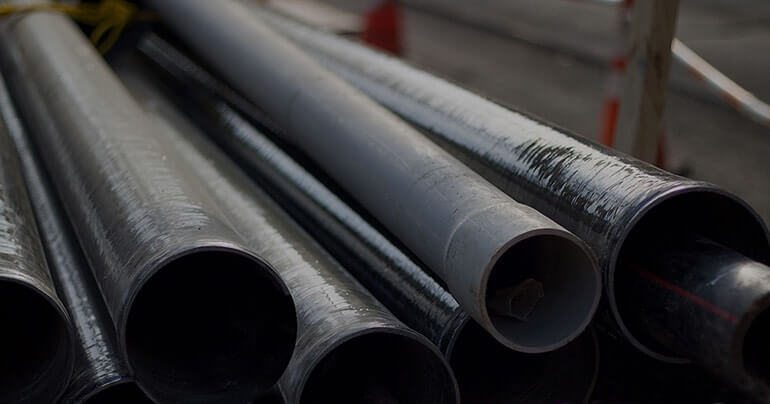
3.2.3 Saluran Fiberglass
Fiberglass adalah material yang tahan lama dan tahan korosi yang memberikan perlindungan luar biasa untuk kabel serat optik, terutama di lingkungan yang keras. Konduit fiberglass dibuat dengan melilitkan untaian serat kaca di sekitar inti resin, sehingga menciptakan konduit yang ringan namun kuat.
Keunggulan Pipa Konduit Fiberglass:
- Ketahanan terhadap Korosi dan Sinar UVSangat cocok untuk lingkungan yang terpapar kelembapan, bahan kimia, atau kondisi cuaca ekstrem.
- Toleransi Suhu TinggiCocok untuk area dengan suhu tinggi atau fluktuasi suhu.
- Ringan dan KuatLebih mudah ditangani daripada pipa logam, namun menawarkan kekuatan yang sebanding.
Aplikasi:
- Paling cocok untuk instalasi kelautan, kimia, atau lepas pantai, serta lingkungan industri di mana suhu berfluktuasi.
- Digunakan untuk aplikasi luar ruangan dan bawah tanah di mana perubahan kelembapan dan suhu dapat terjadi.
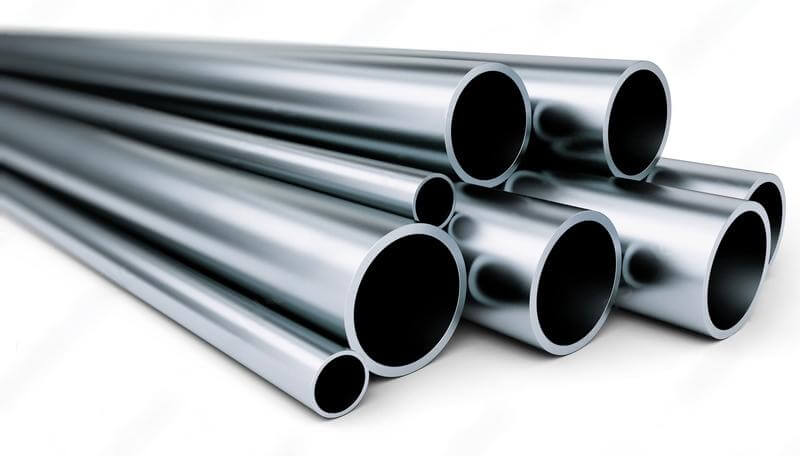
3.2.4 Saluran Pipa Baja Tahan Karat
Saluran kabel baja tahan karat memberikan perlindungan mekanis yang luar biasa dan ideal untuk lingkungan di mana perlindungan benturan tinggi sangat penting. Saluran kabel ini tahan korosi, sangat awet, dan dapat menahan kerusakan fisik ekstrem, termasuk hancuran, abrasi, dan benturan. Baja tahan karat juga memberikan ketahanan tinggi terhadap fluktuasi suhu dan paparan lingkungan.
Keunggulan Pipa Konduit Stainless Steel:
- Daya Tahan UnggulCukup kuat untuk menahan gaya benturan tinggi dan bahaya lingkungan.
- Ketahanan KorosiTidak mudah rusak saat terpapar bahan kimia keras, air asin, atau lingkungan korosif lainnya.
- Ketahanan ApiBaja tahan karat memiliki titik leleh yang tinggi, sehingga efektif dalam aplikasi tahan api.
Aplikasi:
- Banyak digunakan di lingkungan berisiko tinggi seperti pabrik manufaktur, lokasi pengeboran lepas pantai, atau area yang terpapar bahan berbahaya.
- Cocok untuk area yang membutuhkan perlindungan berat terhadap benturan fisik, seperti pada sistem transportasi atau lokasi konstruksi.
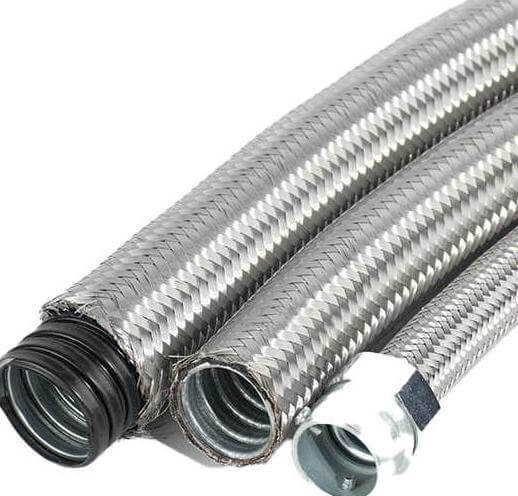
3.2.5 Saluran Listrik Berkepang
Selubung listrik jalinan adalah penutup pelindung yang sangat fleksibel yang dirancang untuk melindungi kabel dan kawat listrik dari kerusakan fisik, abrasi, dan bahaya lingkungan. Biasanya terbuat dari kombinasi inti plastik atau logam dan bahan jalinan seperti baja atau poliester, selubung ini menawarkan daya tahan dan ketahanan aus yang superior. Lapisan jalinan luar memberikan kekuatan tambahan, menjadikannya ideal untuk digunakan dalam aplikasi di mana kabel terpapar gerakan konstan, gesekan, atau kondisi yang keras. Fleksibilitasnya, dikombinasikan dengan ketahanan terhadap korosi dan suhu ekstrem, menjadikannya solusi andalan untuk kebutuhan pengkabelan industri dan komersial.
Keunggulan Pipa Konduit Fiberglass Anyaman:
- Ketahanan terhadap benturan dan abrasi: Bagian luar yang dianyam memberikan perlindungan ekstra dari kerusakan mekanis.
- FleksibilitasInti komponen ini mudah ditekuk, sehingga cocok untuk aplikasi yang membutuhkan perutean kompleks atau instalasi fleksibel.
- Kinerja Suhu TinggiSerat kaca yang dikepang dapat menahan suhu tinggi, sehingga ideal untuk lingkungan industri.
Aplikasi:
- Ideal untuk lingkungan industri dan konstruksi di mana kabel serat optik mungkin terkena benturan atau abrasi.
- Digunakan dalam aplikasi tugas berat seperti di industri otomotif, kedirgantaraan, dan lingkungan industri dengan lalu lintas tinggi.
3.3 Jenis-Jenis Saluran Khusus
Untuk instalasi yang membutuhkan fitur kinerja tambahan atau memenuhi kebutuhan lingkungan tertentu, saluran serat optik khusus menawarkan solusi yang disesuaikan.
3.3.1 Saluran Surya Tahan UV
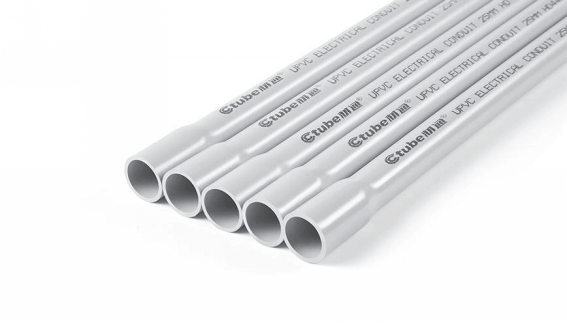
Saluran kabel surya tahan UV Saluran kabel ini dirancang khusus untuk tahan terhadap paparan sinar ultraviolet (UV) matahari dalam jangka waktu lama. Saluran kabel ini biasanya terbuat dari bahan yang telah diformulasikan atau diolah untuk menahan degradasi akibat radiasi UV, sehingga memastikan integritas struktural dan fungsinya tetap terjaga seiring waktu. Hal ini sangat penting untuk instalasi listrik luar ruangan, khususnya pada sistem tenaga surya, di mana saluran kabel terpapar sinar matahari langsung dalam waktu yang lama.
Aplikasi:
- Widely used in solar power installations, where conduits need to protect wiring from UV damage while running outdoors, often in exposed areas.
- Ideal for outdoor electrical installations in areas with high sun exposure, such as rooftops, parking lots, and solar farms.
- Suitable for use in residential, commercial, and industrial environments, particularly in solar panel systems and renewable energy projects.
- Essential in regions with extreme climates where UV radiation is intense and could lead to the degradation of standard conduit materials, potentially resulting in premature failure or safety hazards.
3.3.2 Low Smoke Halogen-Free (LSHF) Conduits
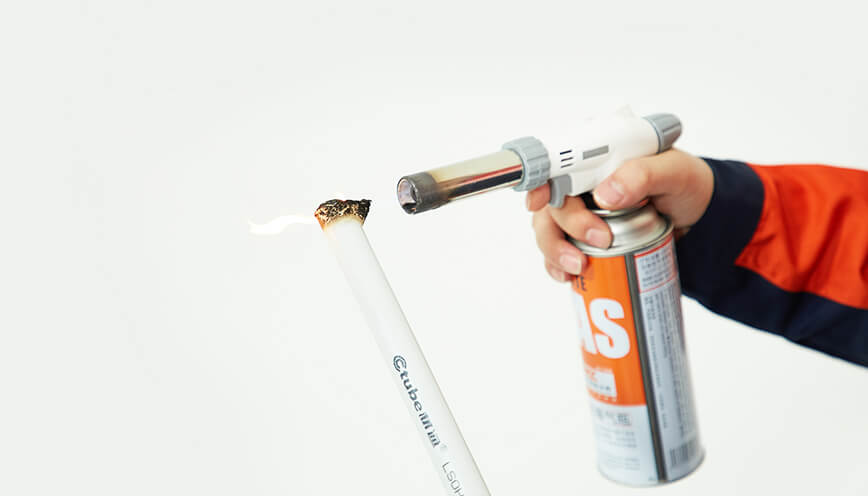
Low Smoke Halogen-Free (LSHF) conduits are designed to prevent the release of toxic halogen gases during a fire. These conduits are ideal for high-risk environments where the safety of both personnel and equipment is a priority. They minimize smoke and hazardous gas emissions, which could be deadly in a fire.
Advantages of LSHF Conduits:
- Fire Safety: The conduits do not release toxic gases when exposed to flames, reducing health risks during a fire.
- Environmental Safety: They are also a safer choice in green buildings and environmentally sensitive installations.
- Low Smoke Emission: Ideal for areas where smoke could obstruct visibility or create additional safety hazards during emergencies.
Aplikasi:
- Typically used in data centers, hospitals, airports, and other critical infrastructure where safety and environmental concerns are paramount.
- Perfect for areas with high foot traffic or environments where a fire could cause significant damage to equipment or personnel.
4. Faktor-faktor yang Perlu Dipertimbangkan Saat Memilih Saluran Kabel Serat Optik
4.1 Kondisi Lingkungan
When selecting a fiber optic conduit, the environmental conditions in which it will be installed are one of the most critical factors to consider. Fiber optic cables are sensitive to extreme temperatures, moisture, and exposure to harsh chemicals, so the conduit chosen must be able to protect them adequately.
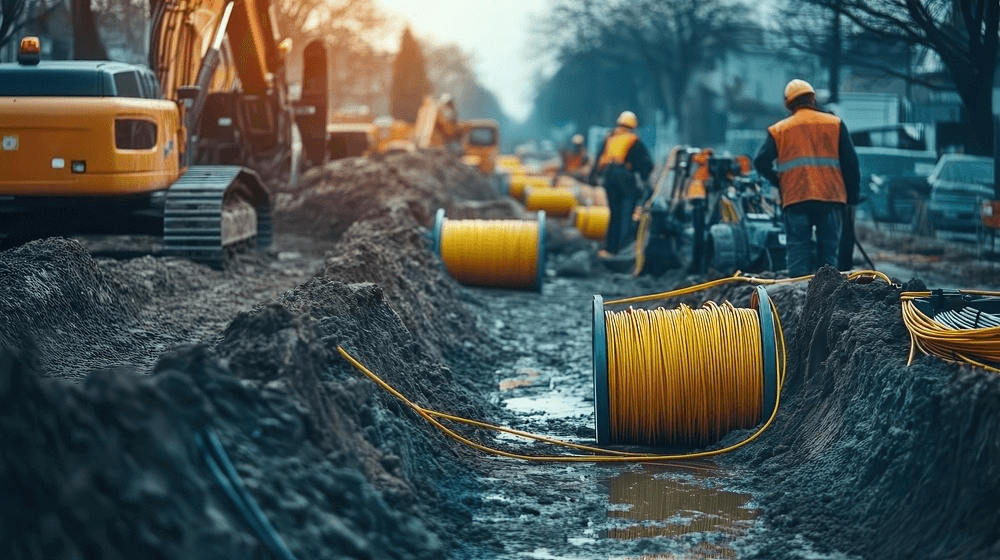
Temperature Extremes: Fiber optic cables can degrade if exposed to temperatures that exceed their rated limits. For installations in areas with extreme heat or cold, it’s essential to choose a conduit that can withstand these temperature fluctuations without compromising its performance. Fiberglass and stainless steel conduits are excellent choices in these cases, as they are resistant to temperature extremes and maintain their structural integrity across a wide range of conditions.
Moisture & Chemical Exposure: In environments that are prone to moisture, humidity, or chemical exposure (such as underground installations, industrial plants, or marine settings), selecting the right conduit material is crucial for protecting fiber optic cables. Fiberglass and stainless steel are known for their corrosion resistance, making them ideal for such applications. PVC-coated metal conduits can also offer an additional layer of protection against chemical damage, providing durability while remaining cost-effective.
4.2 Persyaratan Jari-jari Tekukan
The bend radius is a critical factor when installing fiber optic cables. Fiber optic cables can be damaged if they are bent too sharply, causing performance issues such as signal loss or even physical damage to the fibers. Therefore, the type of conduit selected must accommodate the required bend radius for the installation.
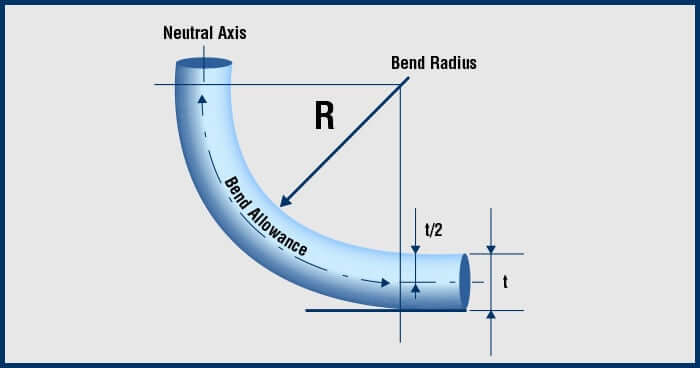
Understanding Bend Radius: Each type of conduit and fiber optic cable has a specific minimum bend radius, which is the tightest curve the cable or conduit can be bent without causing damage. Flexible conduits generally have a much smaller bend radius than rigid ones, making them suitable for applications where tight bends are necessary. On the other hand, rigid conduits are better suited for installations with longer, straighter runs.
Conduit Sizing and Layout Considerations: To ensure that fiber optic cables do not exceed their minimum bend radius, careful planning of the conduit layout is essential. Flexible conduits like PVC or hybrid materials are excellent choices when the installation involves tight spaces or complex routing. Rigid conduits, while more durable, may not be as adaptable to complex layouts where frequent bending is required.
4.3 Rasio Pengisian Saluran
The conduit fill ratio refers to the amount of space occupied inside the conduit by cables, as a percentage of the conduit’s total internal volume. It’s a crucial factor to consider because overfilling the conduit can cause overheating, difficulty in cable installation, and, in extreme cases, damage to the cables.
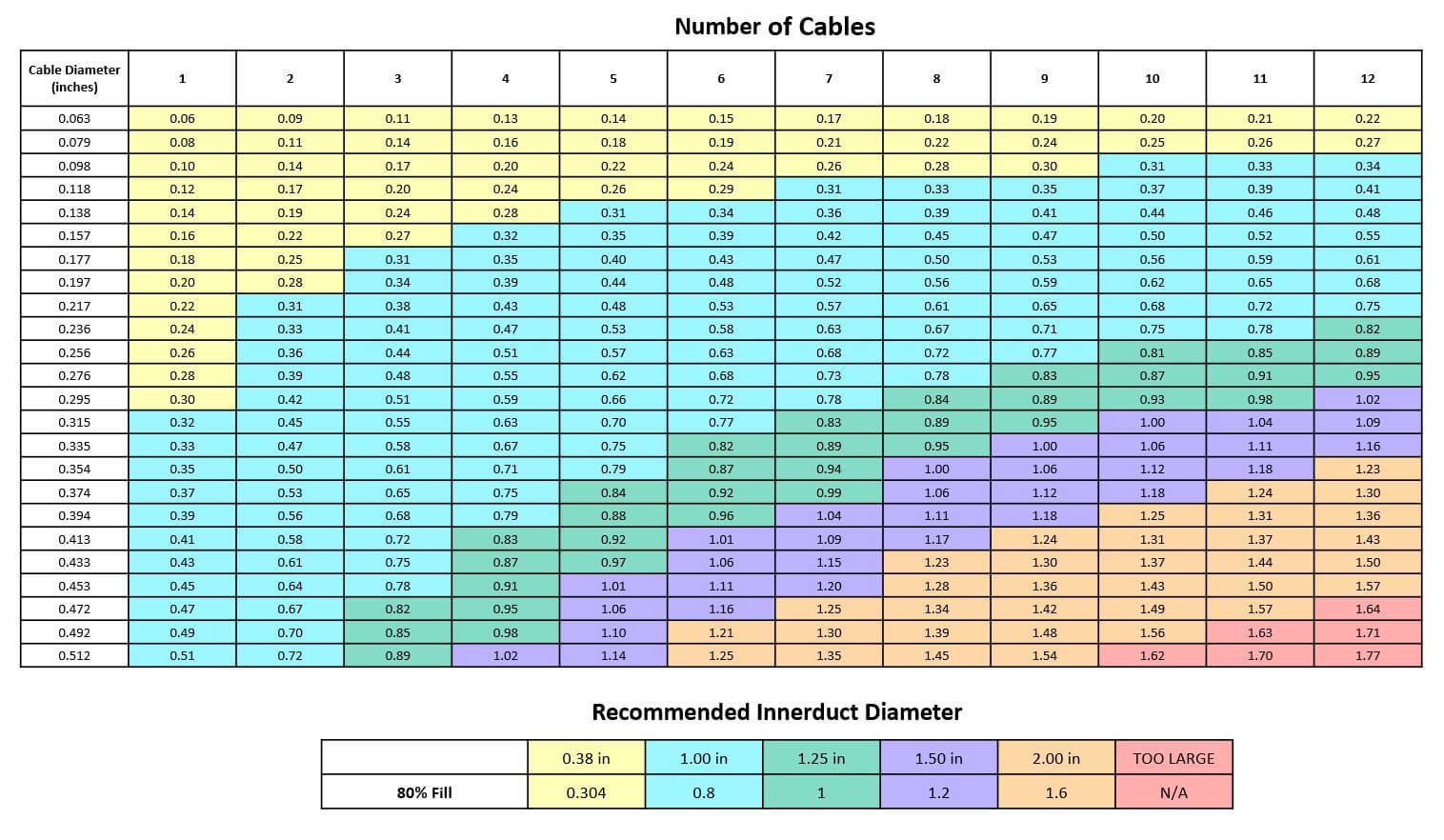
Importance of Proper Fill Ratio: Overfilling a conduit can lead to several issues, including cable degradation due to excessive heat buildup and difficulty during future cable installation or upgrades. Industry standards typically recommend that no more than 40-50% of the conduit’s internal space be occupied by cables to allow sufficient airflow and ease of maintenance.
Industry Standards for Fill Ratios: Standards organizations, such as the National Electrical Code (NEC), provide guidelines for acceptable fill ratios depending on the type of conduit used. Following these standards ensures that fiber optic cables can perform optimally without risk of damage due to overcrowding or inadequate ventilation.
4.4 Perlindungan Terhadap Kerusakan Fisik
Fiber optic cables are delicate and can easily be damaged by physical forces such as crushing, puncturing, or abrasion. To prevent this, the conduit chosen must provide adequate protection against external mechanical impacts.
Ketahanan terhadap benturan: In environments with high foot traffic, industrial machinery, or potential physical impacts, it is essential to use a conduit that can resist crushing and other forms of damage. Metal conduits, such as galvanized steel or stainless steel, offer superior impact resistance and are often used in environments where cables are at risk of physical damage. These materials provide a strong barrier, preventing any external pressure from affecting the integrity of the fiber optic cables.
Covers and Additional Shields: In some applications, additional protective measures such as impact-resistant covers or shielded conduits may be necessary. These options provide extra protection in areas where the risk of damage is particularly high, such as construction zones, transportation systems, or outdoor installations.
4.5 Ketahanan terhadap Sinar UV dan Daya Tahan
When installing fiber optic conduits outdoors or in areas exposed to direct sunlight, UV resistance is essential. Prolonged exposure to UV rays can degrade some materials, leading to brittleness, cracking, and overall failure of the conduit.
UV Resistance: Conduits exposed to sunlight must be UV-resistant to prevent material degradation. PVC conduits with added UV protection are commonly used for outdoor applications. Hybrid PVC materials that combine the flexibility of PVC with the added durability of metal are also an excellent choice when UV resistance is required.
Durability Over Time: Durability is a long-term consideration for any conduit installation. A conduit must not only be able to withstand initial environmental conditions but also perform effectively over many years. Fiberglass, PVC-coated metal, and stainless steel are some of the most durable options for fiber optic installations, providing long-lasting protection in both indoor and outdoor environments.
5. Referensi Spesifikasi Pipa Utama untuk Memilih Pipa
When selecting the appropriate fiber optic conduit for your project, it’s essential to consider a range of specifications that ensure durability, safety, and long-term performance.
5.1 Peringkat Perlindungan Ingress (IP)
The Ingress Protection (IP) rating system defines the level of protection a conduit provides against the intrusion of solids (such as dust) and liquids (such as water). It is particularly important in environments where the conduit might be exposed to harsh conditions, including rain, humidity, or dust. The IP rating consists of two digits: the first indicates protection against solid objects, and the second refers to protection against liquids.
First Digit (Solid Protection): Ranges from 0 to 6, with 0 indicating no protection and 6 providing complete protection against dust ingress.
Second Digit (Liquid Protection): Ranges from 0 to 9, with 0 indicating no protection and 9 providing protection against high-pressure, high-temperature water jets.
Water and Moisture Protection: For fiber optic systems used in outdoor, underground, or industrial settings, selecting a conduit with an appropriate IP rating helps protect the cables from damage caused by water ingress, which could lead to signal loss or equipment failure.
Dust and Debris Protection: In environments like manufacturing plants, construction sites, or coastal areas, dust and debris can accumulate inside conduits, which may damage the fibers. A high IP rating ensures the integrity of the installation.
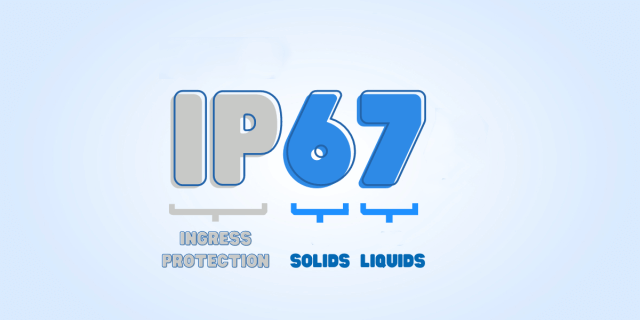
For example,Ctube offers a range of products designed to meet the IP67 waterproof rating, ensuring protection against both dust and temporary immersion in water. IP67 means the product is dust-tight (no dust can enter) and can be submerged in water up to 1 meter for 30 minutes without damage.
5.2 Kisaran Suhu
Choosing a conduit with the correct temperature resistance is crucial for maintaining the performance and integrity of fiber optic cables, especially in environments with extreme temperature fluctuations. The temperature range of a conduit refers to the lowest and highest temperatures at which it can safely operate without becoming brittle or losing flexibility.
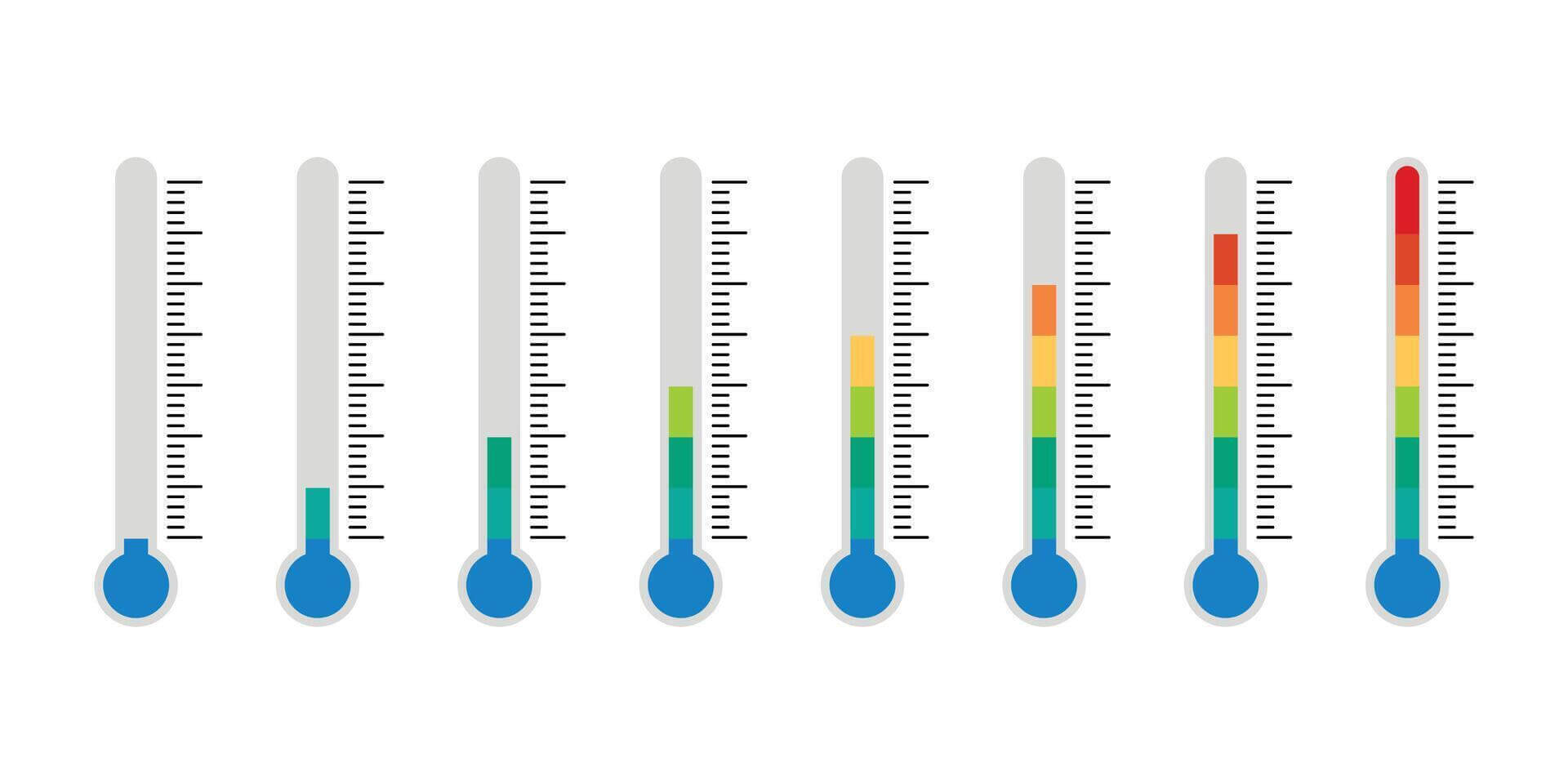
Cold Temperature Resistance: In cold climates or refrigerated areas, conduits must be able to withstand low temperatures without cracking or becoming brittle. Fiber optic cables and their conduits are especially vulnerable to damage in freezing conditions.
Heat Resistance: In areas with high heat (such as industrial facilities, data centers, or outdoor environments with direct sunlight), the conduit must be able to resist deformation or degradation under prolonged exposure to high temperatures.
Protecting the Cable: Extreme temperatures can cause fiber optic cables to expand, contract, or become damaged. A conduit that can handle both extreme cold and heat helps ensure the longevity and performance of the entire fiber optic system.
Maintaining Signal Integrity: Excessive heat can damage the insulation around fiber optic cables, leading to signal degradation. Selecting a conduit with proper heat resistance ensures stable transmission and protection.
Fiber optic conduits come in different materials, each with its own temperature range. PVC conduits typically handle temperatures from -20°C to 60°C (-4°F to 140°F), making them suitable for moderate environments. Flexible PVC offers greater temperature flexibility, with a range from -30°C to 70°C (-22°F to 158°F), allowing it to withstand colder and hotter conditions. Fiberglass conduits are the most temperature-resistant, capable of withstanding extremes from -40°C to 120°C (-40°F to 248°F), making them ideal for harsh and high-temperature applications.
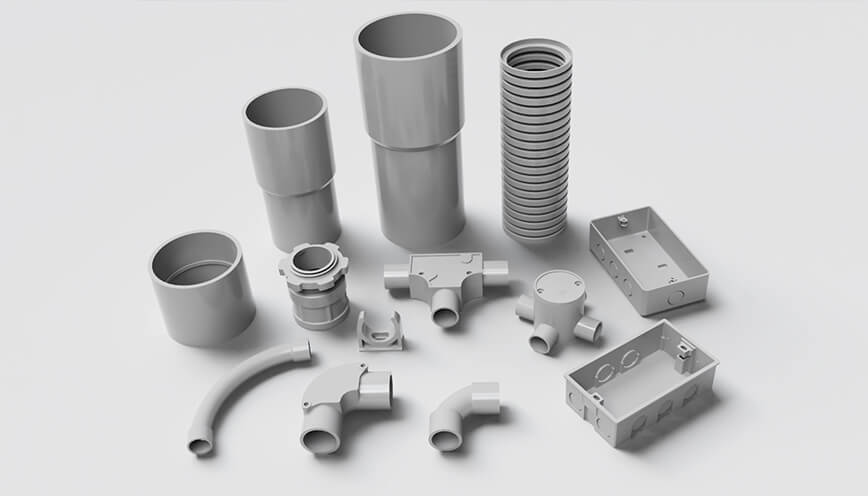
The temperature ranges provided above are for general reference only and should be verified with the supplier for specific products. For example, Ctube’s PVC conduits are rated for temperatures between -15°C and 105°C (5°F to 221°F), while their low-smoke halogen-free products can handle temperatures from -45°C to 150°C (-49°F to 302°F).
5.3 Standar Keselamatan Kebakaran
Selecting a conduit that meets fire safety standards is essential for minimizing the risk of fire and protecting both personnel and equipment. Fire ratings ensure that the conduit material can withstand exposure to fire or high heat, or in some cases, prevent the spread of flames.
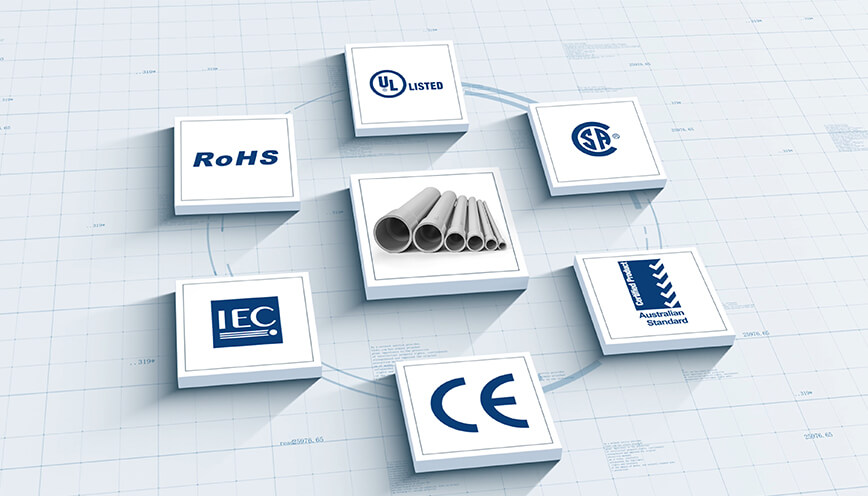
NEC (National Electrical Code): The NEC sets standards for the installation of electrical systems, including fiber optic cables. NEC-compliant conduit materials must adhere to specific requirements for flame retardancy and fire resistance to prevent the spread of flames in case of fire.
Low Smoke and Halogen-Free (LSHF): For environments where the safety of personnel is a concern, such as hospitals, airports, or data centers, conduits with low smoke and halogen-free (LSHF) properties are essential. These conduits minimize the amount of smoke and toxic gases released in the event of a fire, reducing health risks and improving evacuation times.
RoHS (Restriction of Hazardous Substances): RoHS certification ensures that the conduit is free from hazardous materials, such as lead, mercury, cadmium, and other toxic substances. This certification is especially important in environmentally sensitive installations or areas where health and safety regulations are strict.
UL Listed: A UL Listing indicates that the conduit has been tested by Underwriters Laboratories (UL) and meets safety standards for its intended use. UL Listed conduits undergo rigorous testing to ensure their performance, including their fire resistance, impact resistance, and electrical safety. This certification provides assurance that the product is safe to use in fiber optic installations.
CSA (Canadian Standards Association): For installations in Canada, CSA certification ensures that the conduit meets safety and performance standards.
CE Marking: For products sold in the European Union, the CE marking indicates that the product complies with EU health, safety, and environmental regulations.
6. Saluran Serat Optik untuk Aplikasi Spesifik
Fiber optic cables are essential for high-speed communication systems, and the type of conduit used for their installation plays a crucial role in ensuring optimal performance, safety, and durability. Different applications, whether underground, overhead, in-building, or in specialty environments, each require specific conduit solutions tailored to the unique conditions they present. Below, we will explore the best practices and conduit recommendations for various fiber optic installation environments.
6.1 Instalasi Serat Optik Bawah Tanah
Underground fiber optic installations require conduit systems that can protect cables from environmental factors such as soil pressure, moisture, chemical exposure, and mechanical damage from digging or other underground activities. The right conduit ensures long-term durability and prevents fiber degradation or failure.
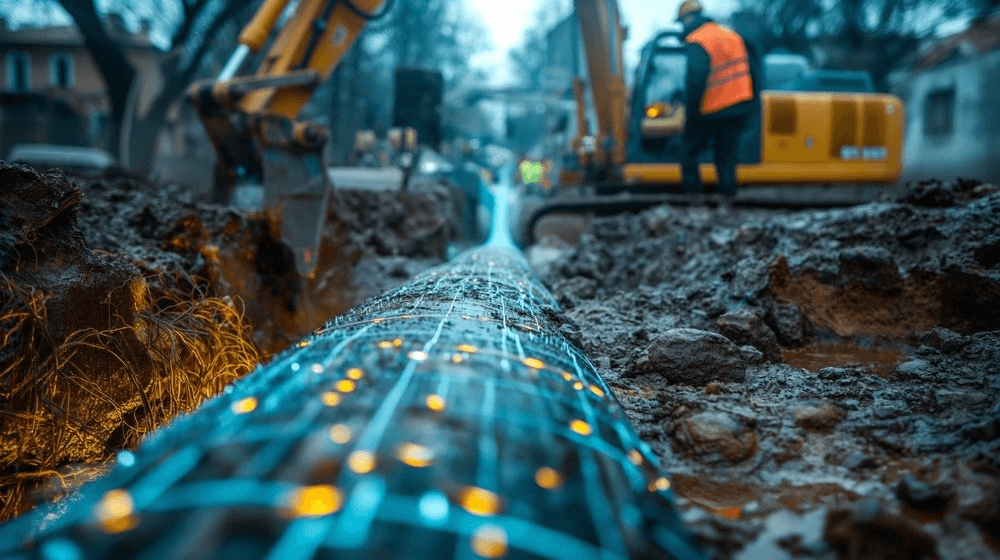
Saluran PVC Kaku: Offers excellent protection against physical damage and corrosion, making it ideal for underground use where moisture and pressure may be an issue. It is lightweight and resistant to chemicals in the soil.
HDPE Conduit (High-Density Polyethylene): This flexible, durable conduit is commonly used for underground installations due to its resistance to impact, UV radiation, and its flexibility, making it easier to install around curves and obstacles. It is especially useful for directional boring installations.
Fiberglass Conduit: A great choice for environments with highly corrosive soil or extreme conditions. It provides resistance to chemicals and high temperatures, ensuring fiber optic cables remain protected over long periods.
6.2 Instalasi Serat Optik di Atas Kepala (Udara)
Aerial fiber optic installations require conduits that can withstand exposure to the elements, such as wind, UV radiation, and temperature fluctuations. The conduit must also be capable of supporting the weight of the fiber optic cable and ensuring its protection from external damage.
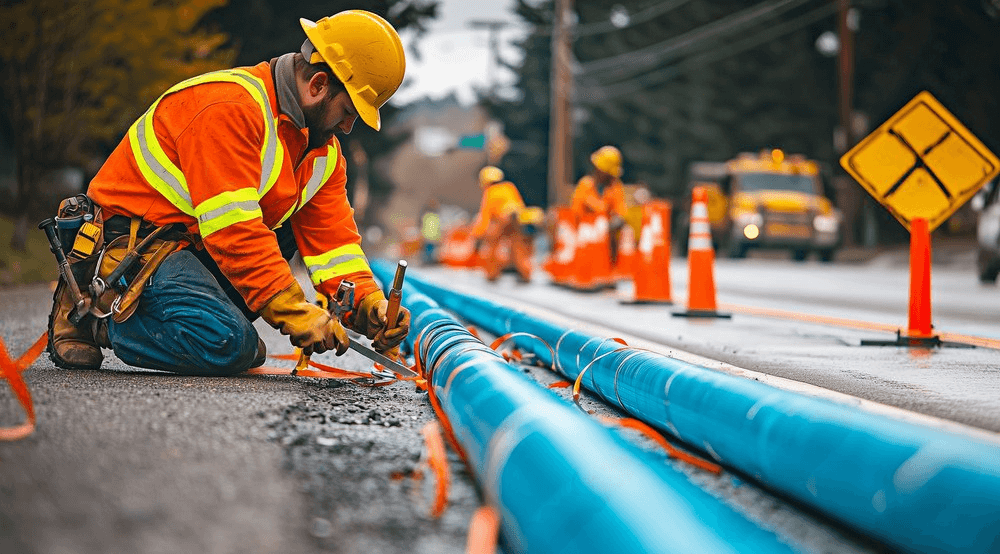
UV-Resistant PVC Conduit: Standard PVC conduit with UV-resistant additives is often used in aerial installations because it can resist degradation caused by prolonged exposure to sunlight.
Steel Conduit (Galvanized or Stainless): Steel conduits are excellent for aerial installations due to their robustness and ability to withstand extreme weather conditions, including high winds and physical impact. Galvanized steel, in particular, provides added protection against corrosion.
Fiber Reinforced Polymer (FRP) Conduit: FRP conduits offer an optimal balance of strength, light weight, and resistance to environmental factors, making them suitable for aerial fiber optic cable installations.
6.3 Instalasi Fiber Optik di Dalam Gedung
In-building installations often take place within walls, ceilings, or conduits that run along floors or roofs of commercial, industrial, or residential buildings. These installations require conduits that are easy to install, flexible, and provide sufficient protection against potential internal hazards such as fire or impact.
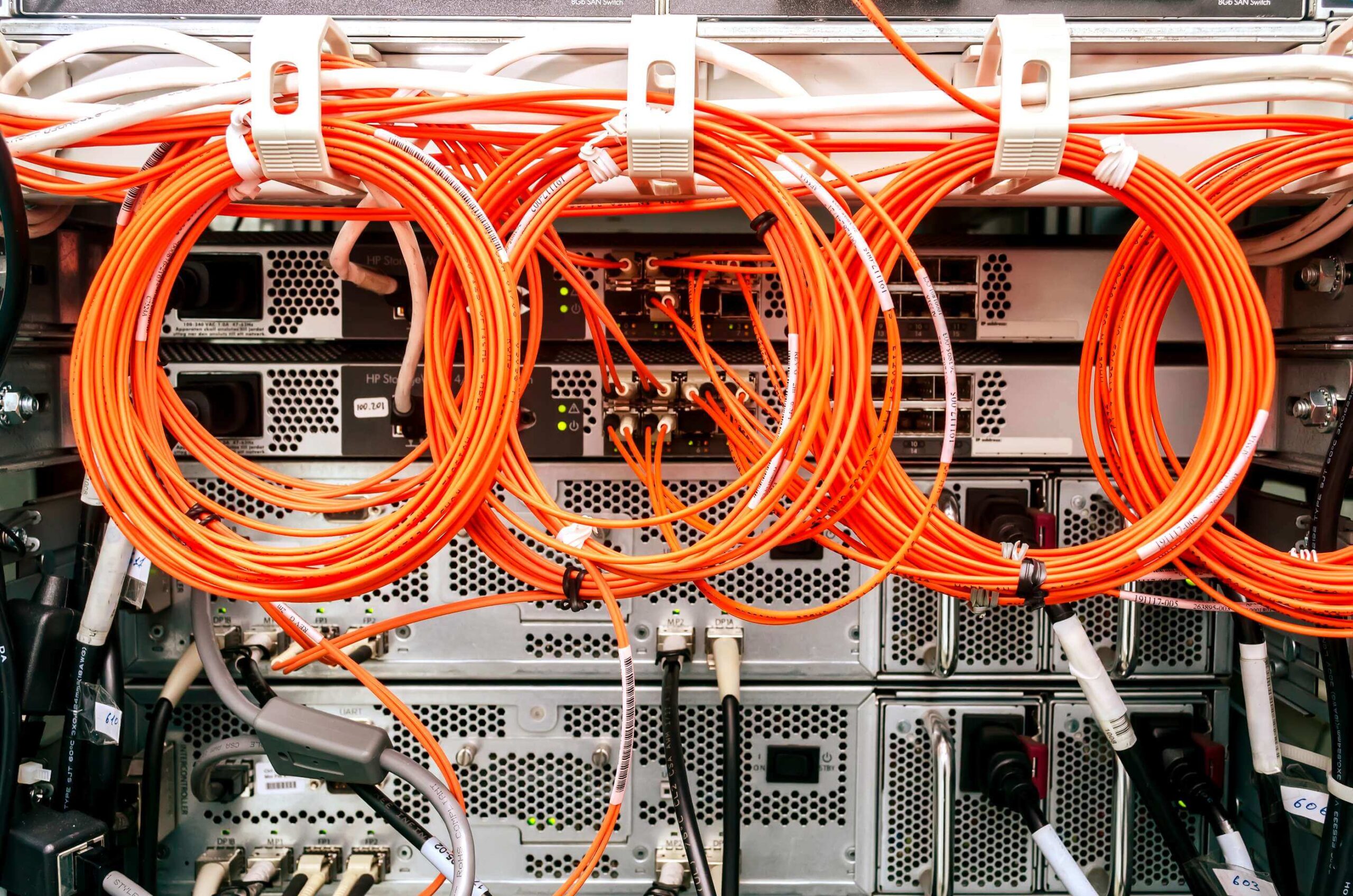
Saluran Fleksibel: Flexible conduit options such as Flexible PVC or LSZH (Low Smoke Zero Halogen) conduit are commonly used in in-building installations due to their flexibility and ease of installation. Flexible conduits are ideal for routing around corners or through tight spaces without needing additional fittings.
Saluran PVC Kaku: In areas where extra mechanical protection is needed, rigid PVC conduits provide excellent protection from physical damage and have a higher crush resistance than flexible alternatives.
Metal Conduit (EMT or IMC): In some commercial or industrial buildings, metal conduits like Electrical Metallic Tubing (EMT) or Intermediate Metal Conduit (IMC) are used for enhanced physical protection, especially in areas prone to mechanical damage or fire hazards.
7. Praktik Terbaik untuk Memasang Saluran Serat Optik
Proper installation of fiber optic conduits is critical to ensuring the long-term performance, durability, and safety of your fiber optic network. Below are key best practices that should be followed during the planning, installation, and maintenance phases of fiber optic conduit systems.
7.1 Perencanaan Jalur Saluran
The first step in any successful fiber optic conduit installation is careful planning. Proper path design ensures efficient cable routing, minimizes the risk of physical damage, and ensures compliance with regulatory standards.
Conduct a Site Survey: Before starting, perform a thorough site survey to assess the environment. Identify potential obstacles such as underground utilities, trees, or buildings that could affect the routing of the conduit. This survey helps in determining the most efficient path for installation.
Consider Accessibility: Ensure that the conduit path is easily accessible for future maintenance, repairs, or upgrades. Avoid placing conduits in locations that are hard to reach, such as behind permanent walls or floors.
Allow for Expansion: Plan the conduit path with future expansion in mind. Fiber optic networks may need additional capacity as demand increases, so it’s wise to leave room for adding more cables or spare conduits when necessary.
Follow Regulations: Ensure that your conduit path complies with local and international regulations, such as NEC (National Electrical Code) for electrical installations and any specific codes for fiber optics. These regulations govern how far conduit can run, bend, and the methods used for securing and sealing the conduit.
7.2 Memastikan Ukuran yang Tepat
Choosing the correct size of fiber optic conduit is crucial for both the protection of cables and the efficient use of available space. Proper sizing ensures that the cables fit easily within the conduit and that there is enough space for potential future expansions.
Follow Conduit Fill Guidelines: The National Electrical Code (NEC) recommends that a conduit be filled to no more than 40% of its total capacity for fiber optic cables. This allows room for air circulation, reduces the risk of heat buildup, and facilitates easier installation of future cables.
Account for Cable Type and Quantity: Fiber optic cables vary in size, so it’s important to account for the specific type of fiber optic cables being used, including their diameter and the number of cables you plan to install. For example, a bundle of multiple fiber cables will require a larger conduit compared to a single cable.
Consider Bend Radius: Fiber optic cables have a limited bend radius, and the conduit must be large enough to accommodate the cables without forcing them into tight bends. Installing too small of a conduit can result in cable strain, which could degrade the performance or even damage the cables. Ensure the conduit allows for the manufacturer’s minimum bend radius.
7.3 Tips Instalasi Umum
Correct Sealing and Joining: When joining multiple lengths of conduit, it’s important to use the right connectors and ensure that joints are properly sealed. Failing to seal conduit joints properly can allow moisture, dirt, and other debris to enter the conduit, damaging the fiber optic cables over time.
Attention to Conduit Support: Conduits need to be supported at regular intervals to prevent sagging and ensure they remain stable. Use appropriate support brackets and hangers as per the conduit manufacturer’s guidelines. Unsupported conduits may shift over time or be damaged, causing issues with the fiber optic installation.
Grounding and Bonding: Fiber optic conduits, especially metal conduits, need to be properly grounded and bonded to prevent electrical interference or hazards. Improper grounding can lead to signal degradation or safety issues. Follow grounding procedures as per industry standards.
Maintaining Fiber Optic Conduits: Routine maintenance of fiber optic conduits is essential to ensure the network remains reliable and functional over time. Start by periodically inspecting the conduit for signs of physical damage, such as cracks, dents, or deformations, which can compromise its integrity. Additionally, dust, dirt, and debris can accumulate inside the conduit, especially in areas exposed to the elements, potentially obstructing the performance of the fiber optic cables.
Use appropriate cleaning methods to keep the conduit clear of any obstructions. It’s also important to check that all conduit seals are intact to prevent moisture from entering, particularly in underground or outdoor installations. In such cases, consider using moisture barriers or water-resistant conduit to safeguard the system. Regular attention to these factors will help maintain the conduit’s effectiveness and extend the lifespan of the fiber optic network.
8. Pertimbangan Biaya
When selecting fiber optic conduits, cost is a crucial factor that impacts both the initial installation and the long-term operational budget. A comprehensive understanding of the costs involved helps in making informed decisions that balance budget constraints with performance and durability requirements.
8.1 Biaya Instalasi Awal dan Pemeliharaan serta Ketahanan Jangka Panjang
The initial installation cost includes expenses associated with purchasing conduit materials, labor for installation, and any necessary accessories or connectors.
Material Choice: Different conduit materials come with varying price points. For example, PVC conduits are generally more affordable than stainless steel or hybrid conduit systems. The choice of material will directly affect the upfront cost.
Conduit Size and Length: Larger diameter conduits or those installed over longer distances will increase material costs. Additionally, more elaborate installation paths that require digging, trenching, or aerial installations can drive up labor costs.
Installation Labor: Labor costs vary depending on the complexity of the installation. For example, installing fiber optic conduit in an underground setting may require more labor-intensive processes like trenching, which can be more expensive than overhead or in-building installations.
Specialty Conduits: If the installation requires specialty conduits, such as low smoke halogen-free conduits or corrosion-resistant options for harsh environments, this can add to the initial costs. These types of conduits often come at a premium due to their specific safety or environmental benefits.
While the initial costs are important, the long-term maintenance and durability of the conduit system can often outweigh the upfront investment. Factors that influence long-term costs include:
Material Durability: The lifespan of the conduit material plays a significant role in reducing maintenance costs. A durable conduit system that resists damage from physical impacts, moisture ingress, or temperature fluctuations will incur lower repair and replacement costs. Choosing lower-cost, less durable options may result in higher long-term costs due to the need for frequent repairs or system replacements.
8.2 Langkah-langkah Penghematan Biaya
While it may seem like opting for cheaper conduit materials is always the most cost-effective option, there are several strategies to reduce costs in the short term without sacrificing performance or durability.
Optimal Conduit Sizing: Properly sizing the conduit to avoid overfilling or undersizing can save money both on materials and on the installation process. Conduits that are too large can waste material costs, while ones that are too small may require costly upgrades or repairs later.
Pre-fabricated Conduits and Accessories: In some cases, opting for pre-fabricated conduit systems can lower labor costs and installation time. Pre-fabricated connectors, elbows, and fittings can reduce the need for custom fabrication, leading to faster, cheaper installation.
Bundling Cables: Installing multiple fiber optic cables within a single conduit, when possible, can reduce the overall number of conduits required, saving both on material and labor costs. This method also reduces the installation complexity and time.
9. Kesimpulan
To make the best choice for your fiber optic project, it is recommended to carefully evaluate the installation environment and its specific demands. For instance, underground installations may require more robust, corrosion-resistant conduits, while overhead installations may prioritize flexibility and durability in different conditions. And adhering to industry standards and certifications, such as RoHS compliance or UL ratings, ensures that the installation meets safety and quality regulations.
Additionally, understanding the importance of key specifications such as ingress protection (IP) ratings, temperature range, and fire safety standards is vital to ensure the conduit can withstand environmental conditions and provide long-term protection for fiber optic cables.
Working with industry professionals or conduit manufacturers is highly advised, as they can offer insights based on your project’s scale, location, and budget.
For those seeking reliable, high-quality conduit and fittings solutions, Ctube, a professional manufacturer of PVC and specialty conduits, offers a comprehensive range of products designed to meet the specific needs of fiber optic installations. With a commitment to durability, safety, and performance, Ctube provides conduit options that are tested to withstand extreme environments, ensuring the protection of your valuable fiber optic infrastructure. Ctube’s extensive expertise and innovative product designs make them an ideal partner for your fiber optic conduit requirements.
Thanks for your reading, and good luck with your projects.

Pertanyaan yang Sering Diajukan (FAQ)
Ya, pipa PVC sering digunakan untuk instalasi serat optik karena menawarkan keseimbangan yang baik antara fleksibilitas, efektivitas biaya, dan kemudahan pemasangan. Namun, saat memilih pipa PVC, pastikan pipa tersebut sesuai dengan aplikasi spesifik, baik untuk penggunaan di bawah tanah maupun di dalam ruangan. Untuk menghitung ukuran yang tepat untuk saluran kabel serat optik, Anda perlu mempertimbangkan total diameter kabel yang digunakan, serta rasio pengisian saluran. Pedoman umum adalah menggunakan perhitungan pengisian Kode Kelistrikan Nasional (NEC), yang merekomendasikan agar saluran diisi tidak lebih dari 40% dengan kabel untuk memberikan ruang bagi ekspansi di masa mendatang dan untuk memastikan aliran udara yang tepat untuk pendinginan. Penting untuk mengukur jumlah kabel dan diameternya secara akurat untuk menghindari pengisian berlebihan. Saluran kabel bebas halogen dengan asap rendah dirancang untuk instalasi di mana keselamatan kebakaran menjadi perhatian utama, seperti di rumah sakit, pusat data, atau area dengan elektronik sensitif. Saluran kabel ini mengeluarkan sedikit atau tidak ada asap atau gas beracun saat terpapar api, yang sangat penting untuk melindungi personel dan peralatan. Jika instalasi Anda berada di ruang terbatas atau lingkungan berisiko tinggi, jenis saluran kabel ini harus dipertimbangkan.Bisakah saya menggunakan pipa PVC untuk kabel serat optik?
Bagaimana Cara Menghitung Ukuran yang Tepat untuk Saluran Kabel Serat Optik?
Apa itu pipa conduit bebas halogen rendah asap, dan kapan saya harus menggunakannya?