 Vietnamese
  English
  French
  Arabic
  Spanish (Chile)
  Portuguese
  Spanish (Mexico)
  German
  Indonesian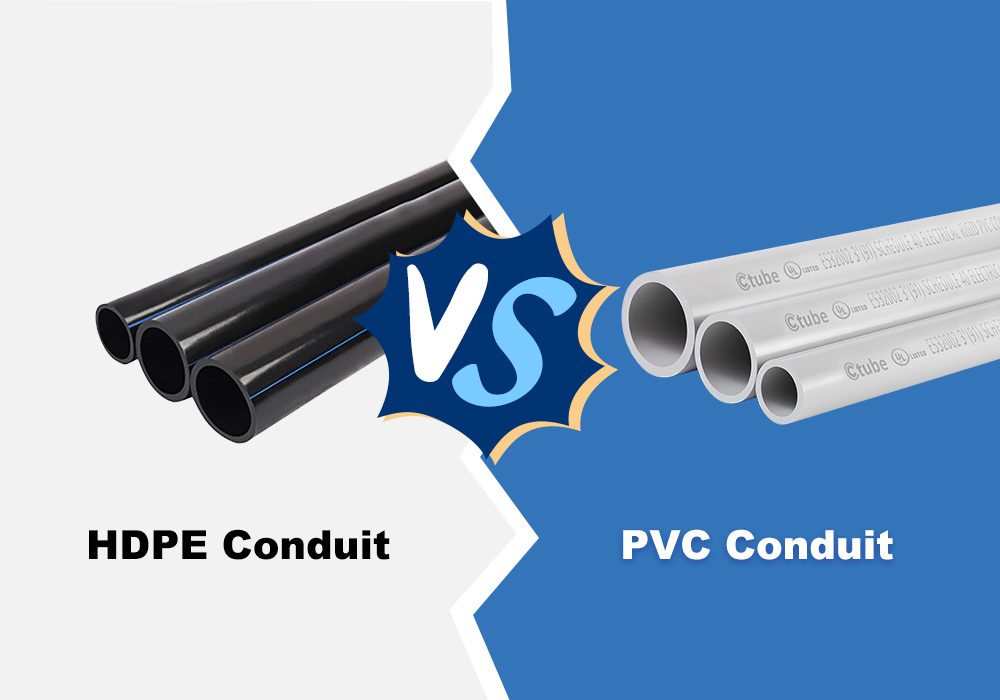
1. Giới thiệu
Conduits are vital components in both electrical and communication systems, serving as protective pathways for cables and wires. These conduits safeguard the integrity of the electrical or communication infrastructure by shielding the cables from environmental hazards, physical damage, and interference. Proper conduit selection is crucial for ensuring the durability, safety, and efficiency of these systems.
Two of the commonly used types of conduits are HDPE (High-Density Polyethylene) and PVC (Polyvinyl Chloride). Each material has distinct characteristics, advantages, and limitations, making them suitable for different applications and environments. Understanding these differences is essential for engineers, electricians, and anyone involved in planning and installing conduit systems.
The purpose of this article is to compare HDPE conduit and PVC conduit, providing a comprehensive overview to help readers make informed decisions based on their specific needs and project requirements.
2.Know More About HDPE Conduit
2.1 What is HDPE?
High-Density Polyethylene (HDPE) is a thermoplastic polymer derived from petroleum. It is one of the most versatile and widely used plastics in the world due to its unique properties. HDPE is produced through a polymerization process that results in long chains of ethylene molecules. The high density of these chains gives HDPE its characteristic strength and rigidity.
2.2 What are the material properties and characteristics of HDPE?
HDPE’s material properties make it highly suitable for a variety of applications, including conduits. Key properties include:
– High Strength-to-Density Ratio: HDPE’s density typically ranges from 0.93 to 0.97 g/cm³, which contributes to its strength while remaining lightweight.
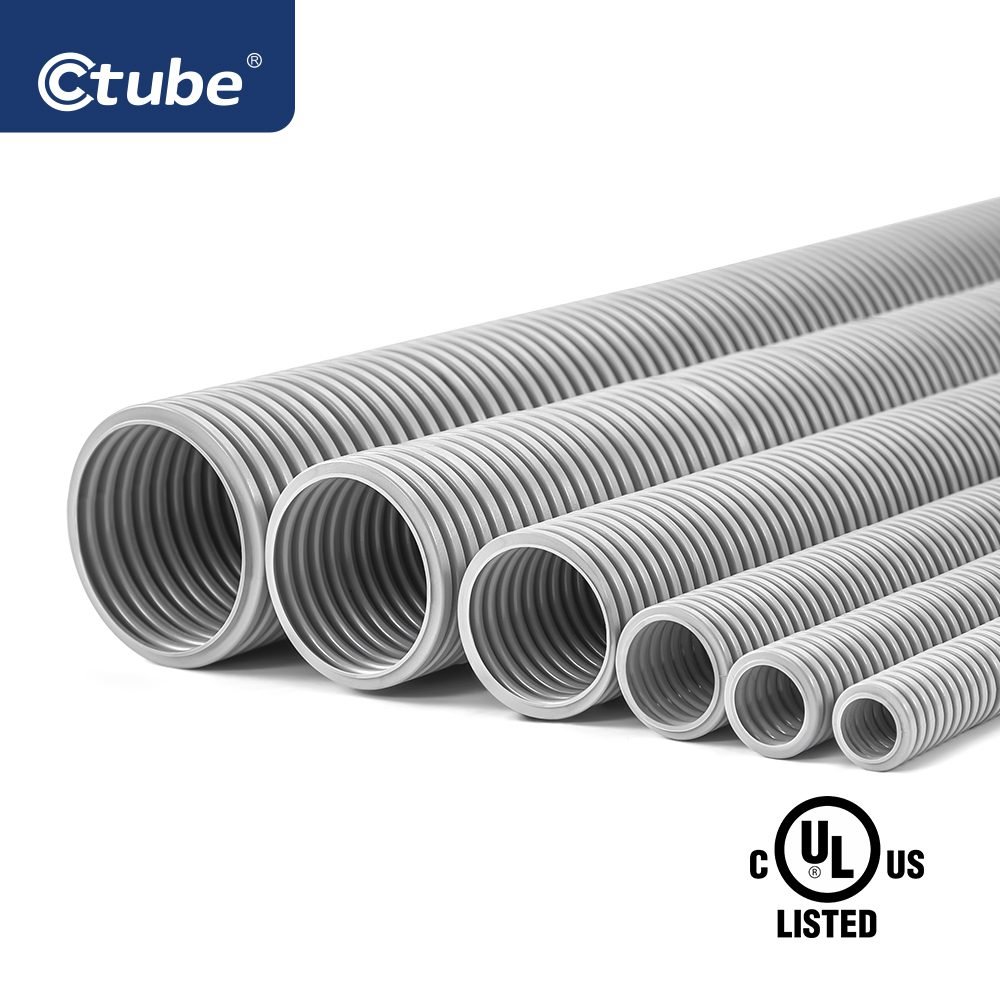
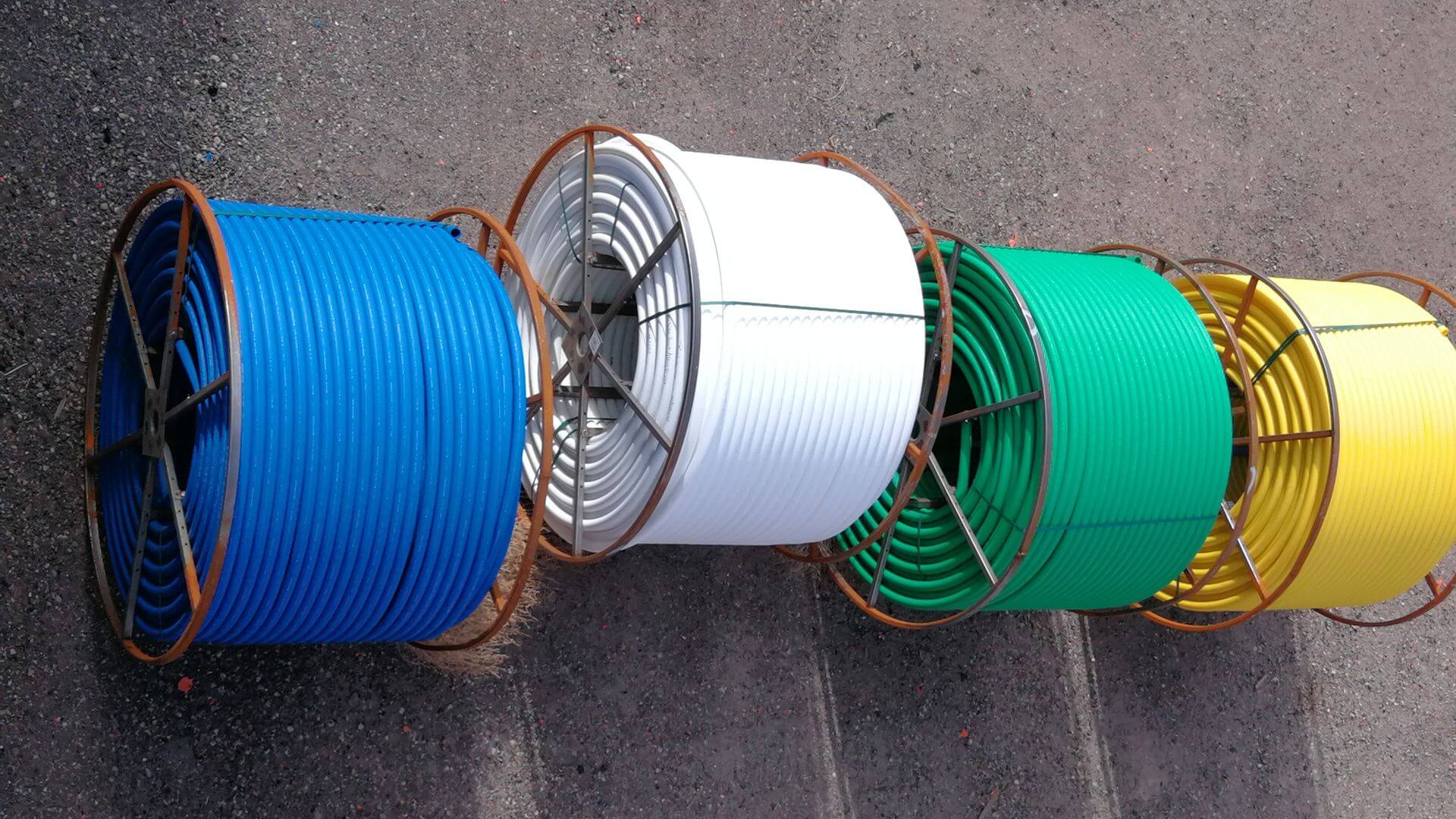
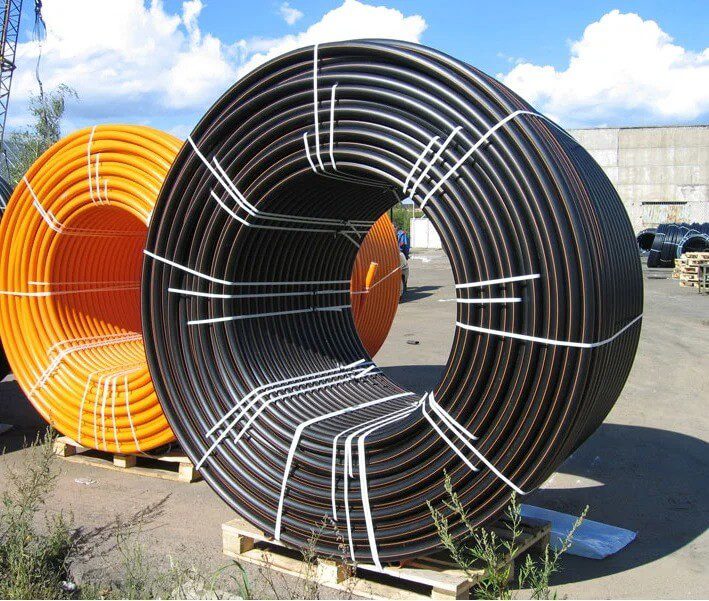
– Flexibility: HDPE can be bent, coiled, and maneuvered around obstacles without breaking or cracking, which is crucial for installations that require curved pathways.
– Chemical Resistance: HDPE is resistant to many chemicals, including acids, alkalis, and organic solvents. This property ensures that HDPE conduits do not degrade or corrode when exposed to harsh substances.
– UV Resistance: HDPE can withstand prolonged exposure to ultraviolet (UV) radiation, making it suitable for outdoor applications where other materials might degrade over time.
– Low Moisture Absorption: HDPE absorbs very little water, which helps maintain its structural integrity even in wet conditions.
– Impact Resistance: HDPE is known for its ability to absorb impacts without damage, making it ideal for environments where physical stresses are common.
2.3 What are the applications of HDPE conduit?
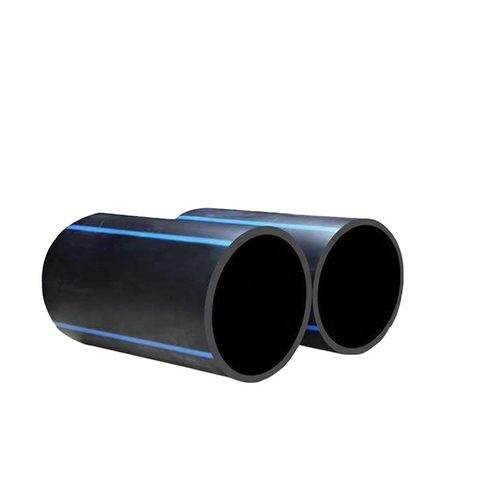
HDPE conduits are employed across a wide range of industries due to their durability and adaptability. Here are some notable applications:
– Telecommunications: HDPE conduits are extensively used to protect fiber optic cables and other telecommunications infrastructure. They are particularly useful for underground and direct burial installations where they provide excellent protection against environmental factors and physical damage.
– Power Systems: HDPE conduits are used in power distribution networks to house and protect electrical cables. Their flexibility and resistance to harsh conditions make them ideal for both underground and above-ground installations.
– Gas and Water Distribution: HDPE pipes are frequently used for the distribution of gas and water. Their resistance to corrosion and chemicals ensures a long lifespan and reliable performance in these critical applications.
– Industrial Applications: In industrial settings, HDPE conduits protect electrical and communication cables from chemicals, physical damage, and environmental stresses. This is especially important in chemical plants and manufacturing facilities.
– Agriculture: HDPE conduits are used in agricultural applications to protect irrigation lines and electrical cables, ensuring reliable operation of automated systems.
2.4 In which scenarios is HDPE conduit preferred?
– Rural and Remote Areas: In rural and remote locations, HDPE conduits are preferred due to their flexibility and ease of installation. They can be laid over long distances without the need for numerous joints and fittings, reducing installation time and costs.
– Harsh Environments: In environments with high levels of pollution, chemical exposure, or extreme weather conditions, HDPE conduits offer superior protection. Their resistance to corrosion and chemicals ensures longevity and reliability.
– Outdoor Installations: For outdoor telecommunications or power systems, HDPE conduits provide excellent protection against UV radiation and environmental stress. This makes them a preferred choice for outdoor applications, including those in coastal areas where salt and moisture can cause significant damage to other materials.
2.5 What advantages does HDPE conduit have?
2.5.1 Durability and Flexibility
One of the primary advantages of HDPE conduits is their exceptional durability and flexibility. HDPE can be bent and shaped without cracking, which simplifies the installation process, especially in applications that require curved pathways or where ground movement is a concern. This flexibility also reduces the need for additional fittings and connectors, which can be potential points of failure.
2.5.2 Resistance to Corrosion and Chemicals
HDPE’s resistance to corrosion and chemicals is another significant advantage. This property makes HDPE conduits suitable for a wide range of environments, including those with high levels of chemical exposure or moisture. Unlike metal conduits, which can rust and degrade over time, HDPE remains unaffected by most chemicals and corrosive substances, ensuring a longer lifespan and reduced maintenance costs.
2.5.3 Lightweight and Ease of Installation
HDPE is lightweight compared to other materials such as metal or concrete, which simplifies transportation and handling. This reduces labor costs and installation time. Additionally, the ease of cutting, bending, and joining HDPE conduits with heat fusion or mechanical fittings further streamlines the installation process. This can be particularly beneficial in large-scale projects where speed and efficiency are critical.
2.5.4 Environmental Friendliness
HDPE is a recyclable material, which contributes to its environmental friendliness. Used HDPE products can be melted down and reformed into new products without significant degradation of material properties. This recyclability makes HDPE a more sustainable choice compared to some other materials, reducing the environmental impact of conduit installations.
2.5.5 Cost-Effectiveness in the Long Term
Although the initial cost of HDPE conduits may be higher than some alternatives, their long-term cost-effectiveness should be considered. The durability, low maintenance requirements, and extended lifespan of HDPE conduits can lead to significant savings over time. Additionally, the reduced need for repairs and replacements further enhances their cost-effectiveness.
2.6 What disadvantages does HDPE conduit have?
2.6.1 Cost Considerations
One of the primary disadvantages of HDPE conduits is their higher initial cost compared to other materials like PVC. This can be a significant factor for projects with tight budgets or those that require a large quantity of conduit. However, it is important to weigh this initial expense against the long-term benefits and potential cost savings provided by HDPE’s durability and low maintenance requirements.
2.6.2 Potential Limitations in Specific Environments
Despite its many advantages, HDPE conduits may have limitations in certain environments. For instance:
– Temperature Sensitivity: HDPE can become too flexible at extremely high temperatures, which may compromise the stability of the conduit system. In applications where high temperatures are common, additional measures may be needed to ensure the conduit’s stability.
– Structural Support: In situations where extreme rigidity and structural support are required, HDPE may not be the best choice. For example, in environments with high mechanical loads or where conduits need to support significant weight, more rigid materials like metal or concrete might be preferable.
– Installation Challenges in Cold Weather: While HDPE is flexible, it can become less pliable at very low temperatures, making installation more challenging. Specialized techniques or equipment may be necessary to install HDPE conduits in cold weather conditions.
2.7 Installation Complexity in Some Applications
– Planning and Design: Proper planning involves assessing project requirements, determining conduit size, route, and placement, and considering environmental factors such as soil conditions, temperature variations, and exposure to UV radiation. Detailed design plans help minimize bends, optimize cable protection, and ensure efficient installation.
– Handling and Transportation: HDPE conduits should be handled and transported with care to prevent damage during transit and storage. Protecting conduits from physical impact, bending, and exposure to extreme temperatures ensures they arrive at the installation site in optimal condition.
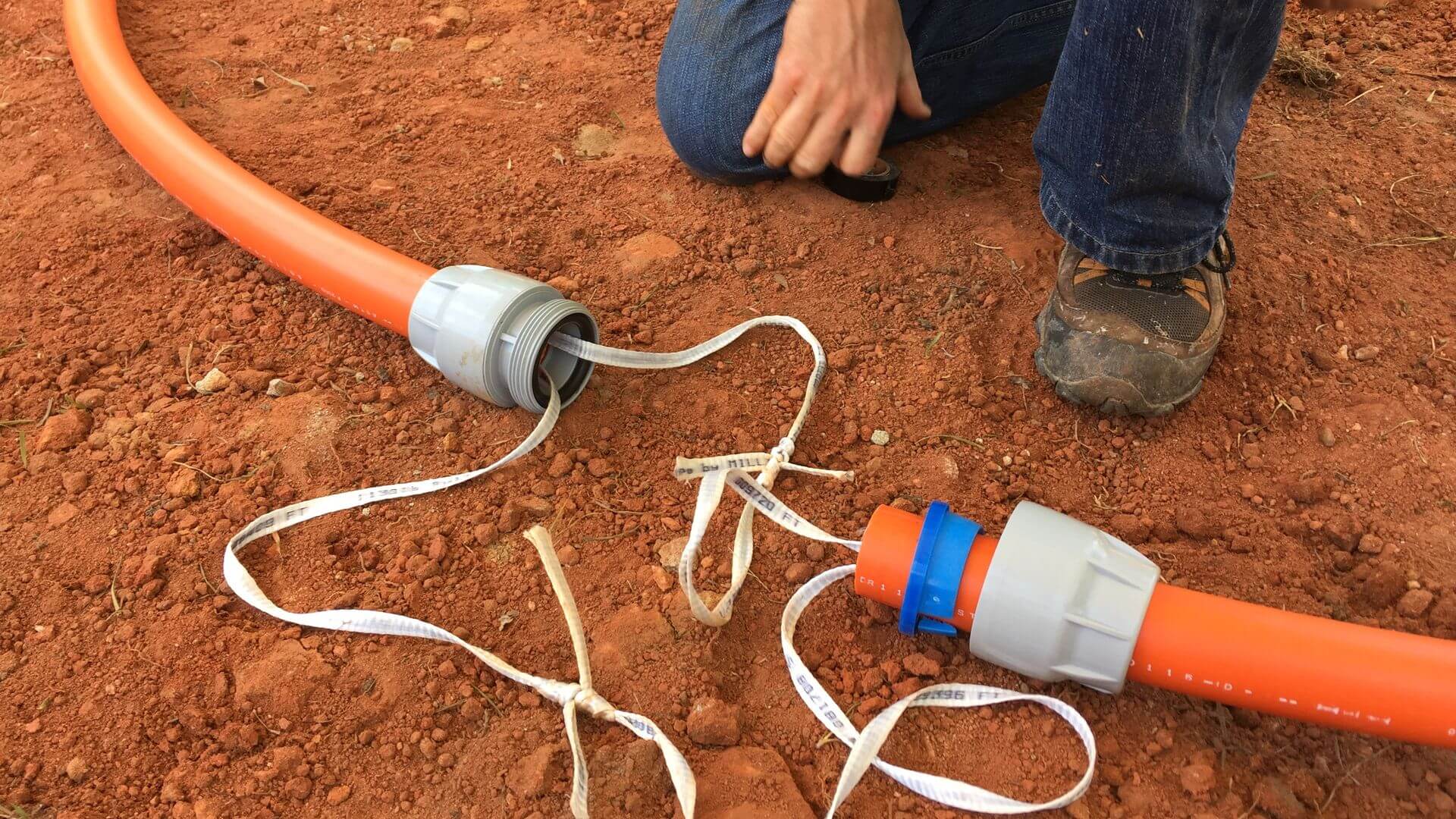
– Jointing Methods: Depending on project specifications and requirements, HDPE conduits may require heat fusion or mechanical fittings to create secure joints and connections. Heat fusion involves welding the ends of HDPE conduits together using specialized equipment to form strong, leak-proof bonds. Mechanical fittings provide an alternative method for joining HDPE conduits without heat, offering flexibility and ease of installation in various applications.
– Environmental Conditions: Consideration of environmental factors such as temperature variations, soil conditions, and exposure to UV radiation is critical during HDPE conduit installation. Extreme temperatures can affect the flexibility and performance of HDPE conduits, requiring careful monitoring and adjustment during installation to ensure reliable performance and longevity.
– Safety and Compliance: Installation of HDPE conduits must comply with industry standards, regulations, and best practices to ensure safety, functionality, and compliance with project specifications. Adhering to safety guidelines and using appropriate personal protective equipment (PPE) during installation minimizes risks and enhances workplace safety.
3.Know More About PVC Conduit
3.1 What is PVC?
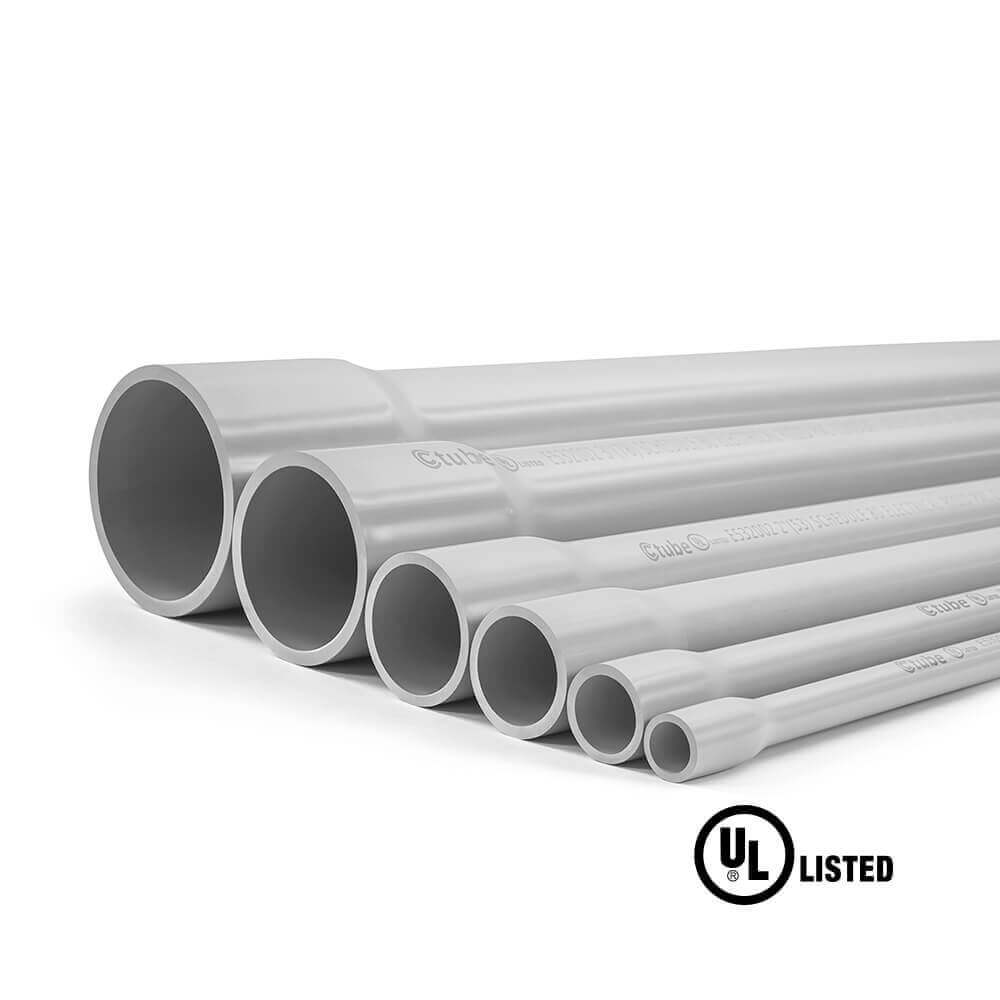
Polyvinyl Chloride (PVC) is a synthetic plastic polymer widely utilized for its versatility, durability, and cost-effectiveness. PVC is formed through the polymerization of vinyl chloride monomers, creating a material that can be either rigid or flexible, depending on the additives used. This flexibility allows PVC to be tailored to specific applications, ranging from plumbing to electrical conduits. Here we mainly talk about pvc conduit for electrical installation.
3.2 What are the material properties and characteristics of PVC?
PVC exhibits several key properties that make it suitable for use in conduits:
– Rigidity and Strength: PVC conduits are known for their robust mechanical protection, maintaining their shape under load without deforming.
– Non-Conductive: PVC is an excellent electrical insulator, providing an additional layer of safety by preventing electrical currents from escaping the conduit.
– Fire Resistance: PVC has inherent flame-retardant properties, meaning it is less likely to ignite and will self-extinguish if exposed to fire.
– Chemical Resistance: PVC is resistant to a wide range of chemicals, including acids, alkalis, and salts, ensuring its longevity in various environments.
– UV Resistance: When formulated with UV stabilizers, PVC can withstand prolonged exposure to sunlight without significant degradation.
– Ease of Processing: PVC can be easily cut, bent, and joined using standard tools and methods, making installation straightforward and cost-effective.
3.3 What are the common uses of PVC conduits in various industries?
PVC conduits are widely used across different industries due to their beneficial properties. Some common applications include:
– Construction: PVC conduits are extensively used in residential, commercial, and industrial construction for routing electrical wiring through walls, ceilings, and floors. They provide reliable protection and organization for electrical systems.
– Electrical Systems: PVC conduits are a standard choice for electrical installations, offering mechanical protection and insulation for wires.
– Telecommunications: PVC conduits protect telecommunication cables, including fiber optics, in both indoor and outdoor installations.
– HVAC Systems: In heating, ventilation, and air conditioning systems, PVC conduits are used to protect control wiring and sensors.
3.4 In which scenarios is PVC conduit preferred?
– Indoor Installations: PVC conduits are ideal for indoor electrical and communication wiring due to their rigidity, ease of installation, and fire-resistant properties.
– Residential Construction: In homes, PVC conduits provide an economical solution for routing electrical wiring through walls and ceilings. Their ease of installation makes them a popular choice among electricians.
– Commercial Buildings: For large commercial buildings with extensive electrical and communication systems, PVC conduits offer a reliable and cost-effective solution for organizing and protecting cables.
– Outdoor Installations with UV Exposure: When treated with UV stabilizers, PVC conduits are suitable for outdoor installations where they will be exposed to sunlight, ensuring long-term durability without degradation.
3.5 What advantages does PVC conduit have?
3.5.1 Cost-Effectiveness
One of the most significant advantages of PVC conduits is their cost-effectiveness. PVC is generally less expensive than other conduit materials like metal or HDPE, making it an attractive option for a wide range of projects, especially those with tight budgets. The lower material cost, combined with the ease of installation, results in significant overall savings.
3.5.2 Rigidity and Strength
PVC conduits provide excellent rigidity and strength, making them ideal for applications where mechanical protection is crucial. Their rigid nature ensures that the conduits maintain their shape and position, providing consistent protection to the enclosed cables. This rigidity also simplifies the installation process, as the conduits do not sag or deform under their weight or the weight of the cables.
3.5.3 Resistance to Fire and UV Rays
PVC’s inherent fire-resistant properties make it a safer choice for electrical installations. It is less likely to catch fire, and if it does, it will self-extinguish, reducing the risk of fire spreading. Additionally, PVC conduits with UV stabilizers can withstand prolonged exposure to sunlight without significant degradation, making them suitable for outdoor applications.
3.5.4 Ease of Installation
PVC conduits are easy to work with, which simplifies the installation process. They can be cut, bent, and joined using standard tools and fittings, reducing labor costs and time. Solvent welding, a common method for joining PVC conduits, creates strong, watertight connections that enhance the system’s durability. The ease of installation makes PVC conduits a popular choice for both small and large projects.
3.5.6 Versatility
PVC conduits are available in a variety of sizes and configurations, making them suitable for a wide range of applications. Whether for small residential projects or large commercial installations, there is a PVC conduit solution that fits the requirements. This versatility ensures that PVC conduits can meet the needs of diverse applications and environments.
3.5.7 Corrosion Resistance
PVC conduits are highly resistant to corrosion, making them ideal for use in environments where they may be exposed to moisture or corrosive substances. This property ensures a longer lifespan and reduces maintenance requirements, as the conduits do not rust or degrade over time.
3.5.8 Lightweight Nature
PVC conduits are lightweight compared to metal conduits, which simplifies transportation and handling. This reduces labor costs and installation time, making PVC an efficient choice for large-scale projects. The lightweight nature of PVC also makes it easier to install in difficult-to-reach areas.
3.5.9 Environmental Friendliness
PVC is a recyclable material, which contributes to its environmental friendliness. Used PVC products can be melted down and reformed into new products without significant degradation of material properties. This recyclability makes PVC a more sustainable choice compared to some other materials, reducing the environmental impact of conduit installations.
3.6 What disadvantages does PVC conduit have?
3.6.1 Brittle Nature at Low Temperatures
One of the main disadvantages of PVC conduits is their brittleness at low temperatures. When exposed to very cold conditions, PVC can become brittle and prone to cracking or breaking if subjected to impact or stress. This characteristic limits the use of PVC conduits in environments where low temperatures are common. Special formulations or additional protective measures may be necessary to mitigate this issue.
3.6.2 Environmental Impact
While PVC is recyclable, the production and disposal of PVC can have environmental impacts. The manufacturing process involves the use of chlorine and other chemicals, which can be harmful efforts to recycle PVC and use it responsibly can help mitigate these concerns. It is important for industries and consumers to consider the environmental implications of using PVC and to adopt sustainable practices whenever possible.
3.6.3 Potential for Degradation in Certain Chemicals
While PVC is resistant to many chemicals, it is not impervious to all. Certain organic solvents and concentrated acids can cause PVC to degrade over time. In environments where exposure to such chemicals is likely, alternative materials may be more suitable. It is important to consider the specific chemical environment when selecting PVC conduits to ensure long-term performance and reliability.
3.6.4 Potential Release of Harmful Chemicals
PVC contains chlorine, and when burned or exposed to very high temperatures, it can release harmful chemicals, such as dioxins and hydrogen chloride gas. These substances can pose health risks and environmental hazards. Therefore, careful handling and proper disposal of PVC products are essential to minimize these risks.
3.6.5 Sensitivity to UV Radiation (without Stabilizers)
While PVC conduits can be formulated with UV stabilizers to resist sunlight degradation, untreated PVC is sensitive to UV radiation. Prolonged exposure to sunlight can cause PVC to become brittle and degrade. It is important to use UV-stabilized PVC conduits for outdoor applications to ensure long-term durability.
3.7 Installation Complexity in Some Applications
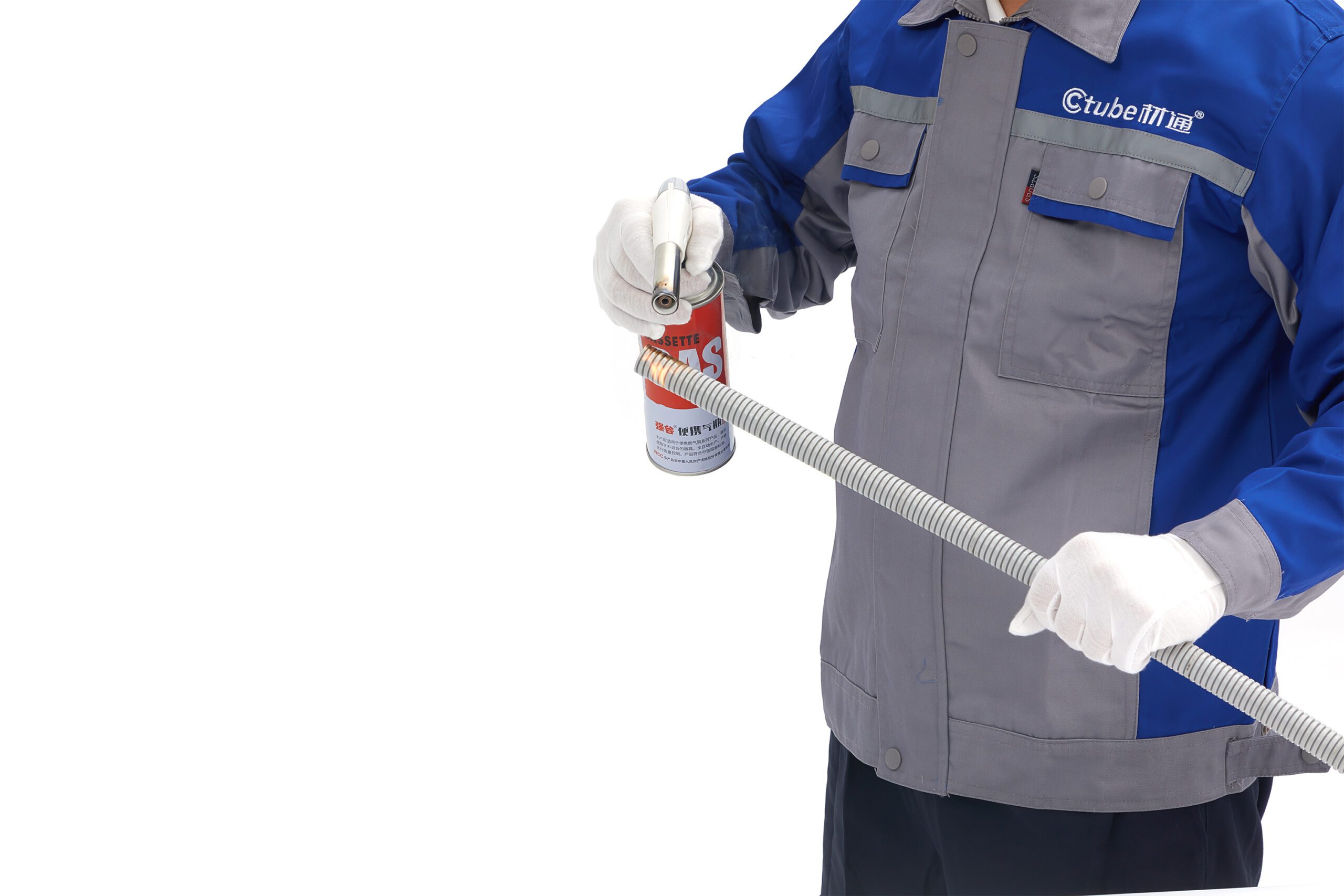
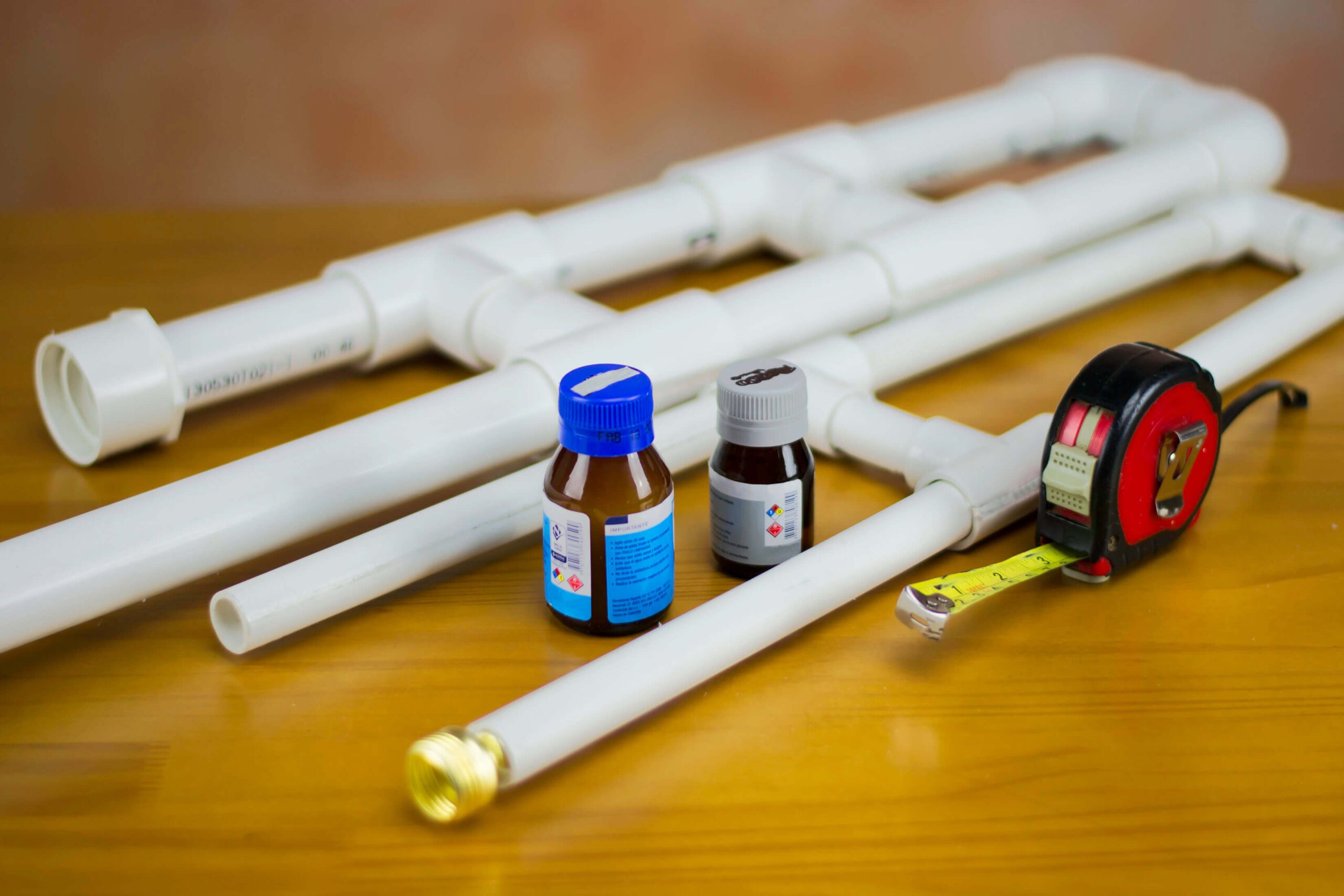
While PVC conduit is typically straightforward to install, certain applications can pose challenges that require extra attention and expertise. For instance, installations demanding precise alignment or connections to other materials, such as junction boxes or metal conduits, may necessitate specialized tools like conduit cutters. These tools ensure clean, accurate cuts, which are crucial for achieving a snug fit and maintaining the integrity of the electrical pathway.
4. Key Differences Between HDPE Conduit and PVC Conduit
4.1 What are the differences in material composition and properties?
4.1.1 Material Strengths
– HDPE: High-Density Polyethylene (HDPE) conduits are composed of long chains of ethylene molecules, which contribute to their high strength-to-density ratio. This structure allows HDPE to withstand significant physical stress while remaining lightweight. HDPE’s impact resistance is a crucial attribute, particularly in environments where conduits are subject to mechanical impacts, vibrations, or ground movements.
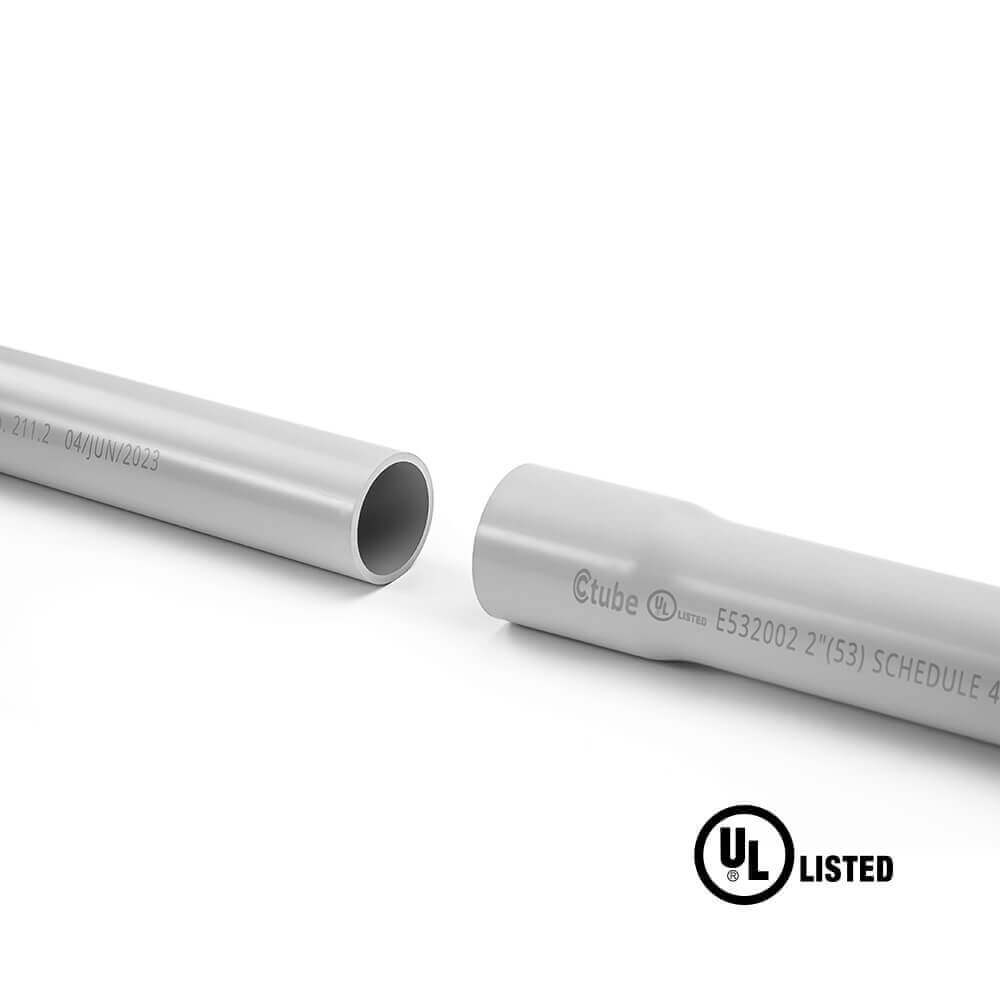
– PVC: Polyvinyl Chloride (PVC) conduits are composed of vinyl chloride polymerized into a rigid plastic. This rigidity, combined with a higher density (1.3 to 1.45 g/cm³), gives PVC its robust mechanical strength. PVC’s rigidity makes it suitable for applications where the conduit needs to provide strong support and maintain its shape under load.
4.1.2 Flexibility
– HDPE: The flexibility of HDPE conduits is a key advantage in many installations. HDPE can be coiled and bent without cracking, making it ideal for routing around obstacles and through curved pathways. This flexibility also allows HDPE conduits to absorb and distribute stress, reducing the risk of damage from ground movements or thermal expansion and contraction.
– PVC: PVC conduits are much more rigid and less flexible than HDPE. While this rigidity provides excellent structural support and protects cables from physical damage, it limits the ability to bend and maneuver the conduit without additional fittings. For installations requiring frequent changes in direction or navigating tight spaces, this can add complexity and cost.
4.1.3 Durability
– HDPE: HDPE conduits offer exceptional durability due to their resistance to environmental factors. They are impervious to many chemicals, including acids, bases, and organic solvents, which helps them maintain integrity in corrosive environments. HDPE’s UV resistance ensures that it does not degrade under prolonged exposure to sunlight, making it suitable for outdoor applications.
– PVC: PVC conduits are also durable, with good chemical resistance and the ability to withstand exposure to many environmental factors. However, PVC can become brittle at low temperatures, which can lead to cracking and breakage. This brittleness limits PVC’s use in extremely cold environments or applications with frequent temperature fluctuations.
4.2 What are the differences in installation and handling?
4.2.1 Installation Processes and Handling
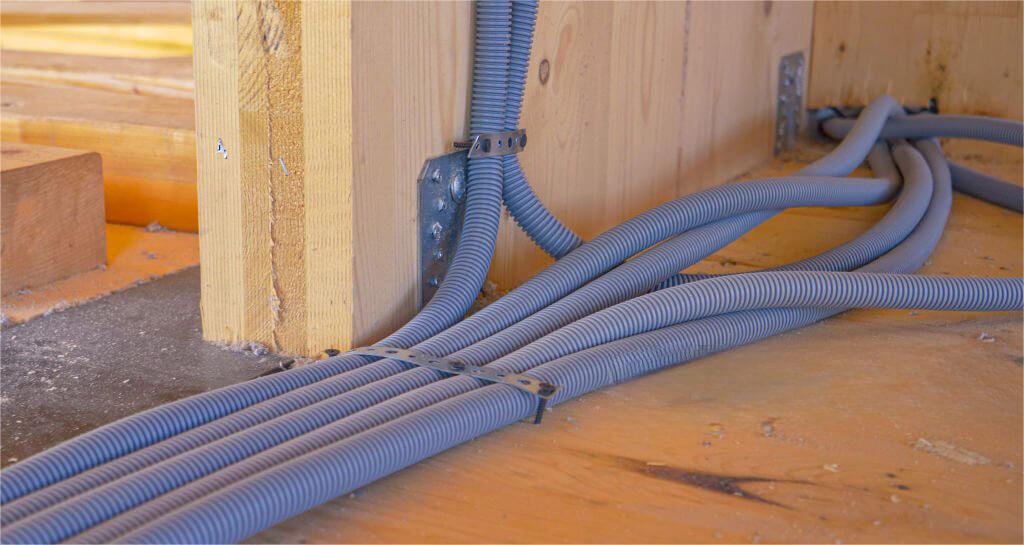
– HDPE Conduits: HDPE conduits are known for their flexibility and lightweight nature, which simplifies handling and installation. Installers typically cut HDPE conduits to length using standard tools and join sections either through heat fusion or mechanical fittings. Heat fusion creates seamless, leak-proof joints that are durable and resistant to environmental stresses. This method allows for the installation of long continuous lengths of conduit, minimizing potential failure points and optimizing installation efficiency.
– PVC Conduits: Installing PVC conduits requires more precise handling due to their rigidity compared to HDPE. The process involves cutting the conduits accurately and joining them using solvent welding or mechanical fittings. Solvent welding involves applying a solvent-based adhesive to the conduit ends and joining them, ensuring a strong, watertight bond. This method demands careful alignment and handling to achieve secure connections. The rigidity of PVC conduits necessitates the use of more fittings and connectors to navigate bends and turns, which adds complexity and time to the installation process.
4.2.2 Ease of Handling
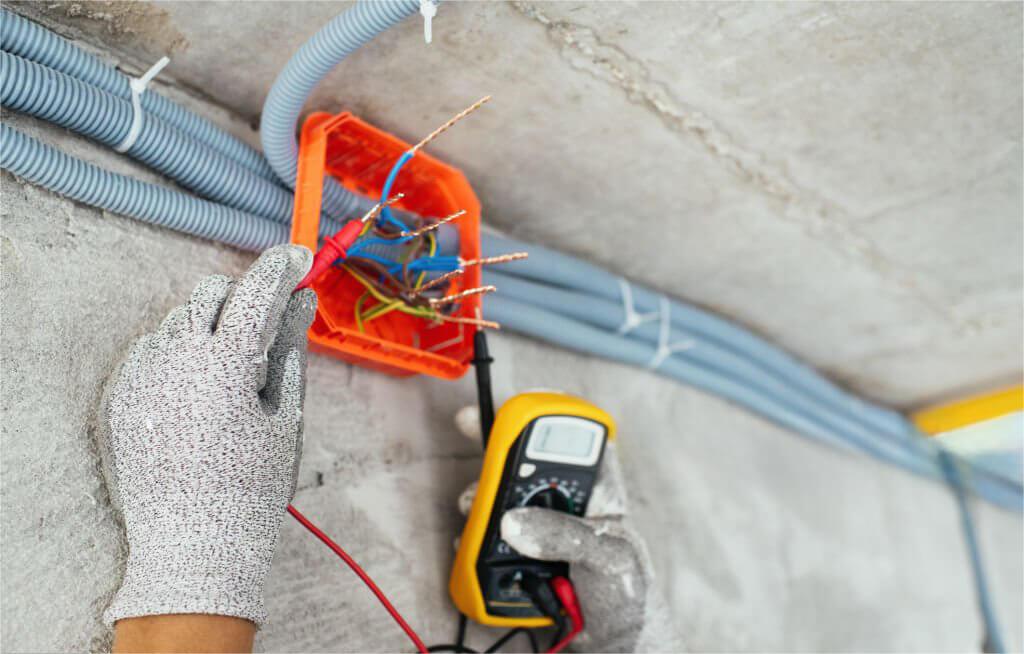
– HDPE Conduits: Because of their lightweight and flexibility, HDPE conduits are easy to transport and maneuver around obstacles and through tight spaces. This attribute significantly reduces labor costs and speeds up installation times, making them particularly suitable for large-scale projects where efficiency is critical.
– PVC Conduits: Although more rigid than HDPE, PVC conduits are still manageable with proper handling techniques. However, their rigidity requires careful handling to prevent damage during installation. While they provide robust mechanical protection, maneuvering around obstacles can be more challenging compared to HDPE conduits.
4.3 How do HDPE and PVC conduits compare in cost?
4.3.1 Initial Costs
– HDPE: Chi phí ban đầu của ống dẫn HDPE thường cao hơn so với ống dẫn PVC. Điều này là do chi phí nguyên vật liệu và thiết bị chuyên dụng cần thiết cho việc lắp đặt bằng phương pháp hàn nhiệt. Tuy nhiên, tính linh hoạt và trọng lượng nhẹ của HDPE có thể bù đắp một phần chi phí này bằng cách giảm thời gian và nhân công lắp đặt.
– PVC: Ống dẫn PVC thường có giá thành ban đầu thấp hơn, do đó là lựa chọn tiết kiệm chi phí hơn cho các dự án có nguồn tài chính hạn chế. Chi phí vật liệu thấp hơn và quy trình lắp đặt đơn giản hơn góp phần tạo nên lợi thế về chi phí của PVC.
4.3.2 Giá trị dài hạn
– Ống HDPE: Mặc dù chi phí ban đầu cao hơn, ống dẫn HDPE thường chứng tỏ hiệu quả kinh tế hơn về lâu dài. Độ bền, nhu cầu bảo trì tối thiểu và tuổi thọ kéo dài góp phần tiết kiệm đáng kể theo thời gian. Việc giảm nhu cầu sửa chữa và thay thế, kết hợp với sự dễ dàng lắp đặt, có thể dẫn đến tổng chi phí thấp hơn.
– Ống dẫn PVC: Mặc dù ống dẫn PVC mang lại giá trị tốt ban đầu, nhưng hiệu quả chi phí lâu dài của chúng có thể bị ảnh hưởng bởi các yếu tố môi trường. Trong môi trường ít khắc nghiệt, ống dẫn PVC hoạt động tốt và yêu cầu bảo trì tối thiểu. Tuy nhiên, trong điều kiện khắc nghiệt hơn, khả năng giòn và hư hỏng có thể dẫn đến chi phí bảo trì và thay thế cao hơn theo thời gian.
4.3.3 Chi phí bảo trì và thay thế
– HDPE: Ống dẫn HDPE yêu cầu bảo trì tối thiểu nhờ khả năng chống ăn mòn, hóa chất và hư hại vật lý. Độ bền của chúng đảm bảo hoạt động tốt trong thời gian dài, giảm thiểu nhu cầu sửa chữa hoặc thay thế. Điều này góp phần giảm chi phí dài hạn và tăng giá trị tổng thể.
– Ống dẫn PVC: Ống dẫn PVC có thể cần bảo trì thường xuyên hơn trong môi trường có nhiệt độ thấp hoặc tiếp xúc nhiều với hóa chất. Mặc dù nhìn chung chúng bền, nhưng độ cứng và khả năng dễ vỡ của chúng có thể dẫn đến nhu cầu sửa chữa và thay thế tăng lên, ảnh hưởng đến chi phí dài hạn. Bảo trì đúng cách và xử lý cẩn thận là điều cần thiết để đảm bảo tuổi thọ của ống dẫn PVC.
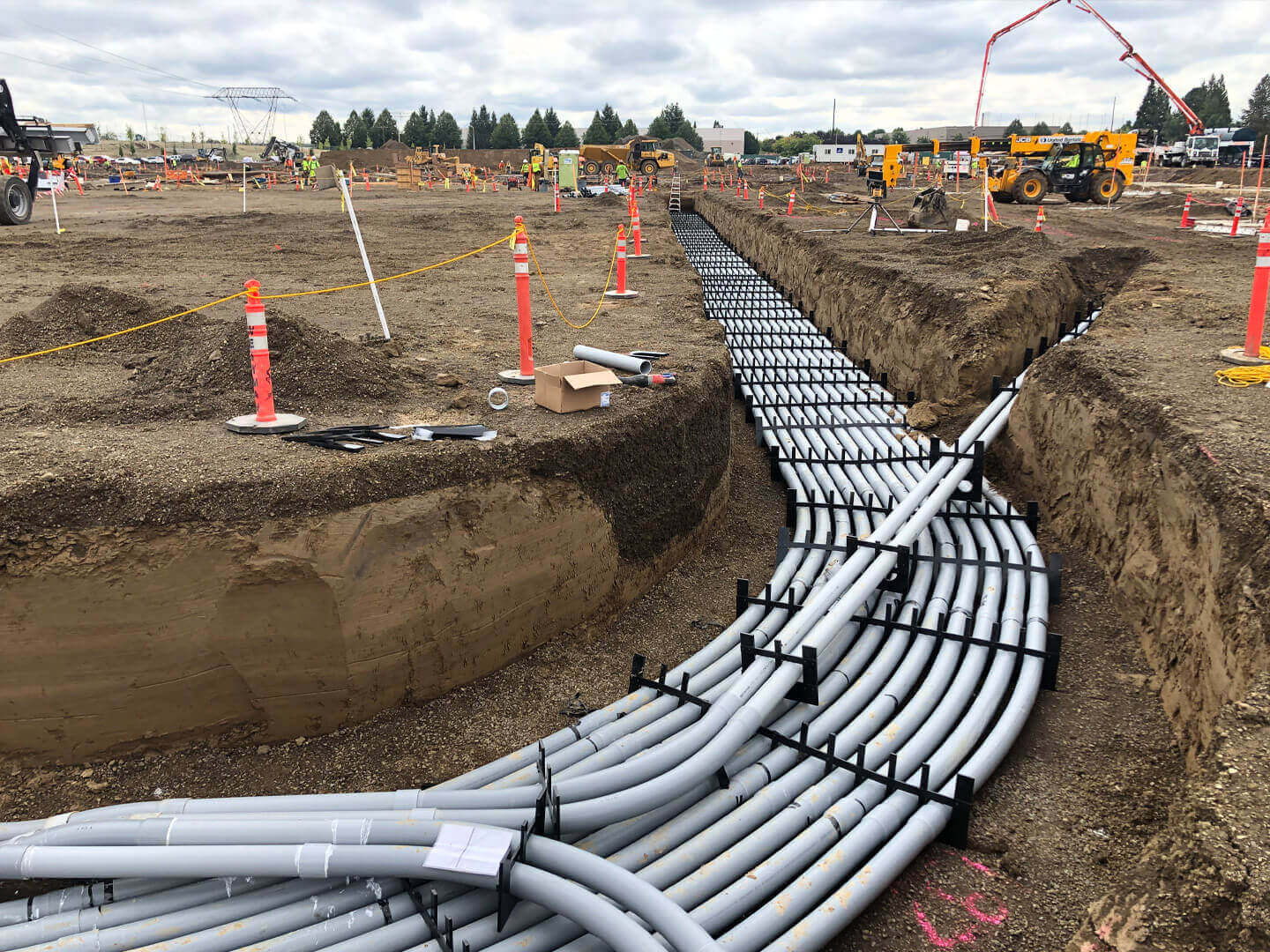
4.4 What are the environmental impacts of HDPE and PVC conduits?
4.4.1 Tính bền vững và khả năng tái chế
– HDPE: HDPE có khả năng tái chế cao, góp phần vào tính thân thiện với môi trường. Các sản phẩm HDPE đã qua sử dụng có thể được tái chế thành các sản phẩm mới mà không làm giảm đáng kể các đặc tính vật liệu. Khả năng tái chế này thúc đẩy tính bền vững và giảm tác động đến môi trường bằng cách giảm thiểu chất thải.
– PVC: PVC cũng có thể được tái chế, nhưng quy trình phức tạp hơn do sự hiện diện của clo và các chất phụ gia khác. Việc tái chế PVC hiệu quả đòi hỏi các cơ sở chuyên dụng để xử lý vật liệu một cách an toàn và giảm thiểu tác hại đến môi trường. Mặc dù PVC có thể tái chế, nhưng quy trình này không đơn giản như tái chế HDPE.
4.4.2 Các yếu tố môi trường cần xem xét trong sản xuất và xử lý chất thải
– HDPE: So với PVC, quá trình sản xuất HDPE sử dụng ít hóa chất độc hại hơn, dẫn đến tác động môi trường thấp hơn. Tuổi thọ cao và khả năng tái chế của HDPE càng làm tăng thêm ưu điểm về môi trường. Tuy nhiên, giống như tất cả các loại nhựa khác, HDPE cần được quản lý đúng cách để ngăn ngừa ô nhiễm môi trường.
– PVC: Việc sản xuất PVC sử dụng clo và các hóa chất khác, có thể gây ra những rủi ro đáng kể cho môi trường nếu không được kiểm soát đúng cách. Việc thải bỏ hoặc đốt PVC không đúng cách có thể giải phóng các chất độc hại như dioxin, do đó, các biện pháp xử lý và tái chế an toàn là rất cần thiết để giảm thiểu tác động đến môi trường.
4.5 What factors should you consider when choosing between HDPE and PVC conduits?
Khi lựa chọn ống dẫn phù hợp, ứng dụng cụ thể đóng vai trò then chốt. Dưới đây là những điểm cần xem xét:
4.5.1 Loại hình cơ sở hạ tầng
– Viễn thông: Để bảo vệ cáp quang, ống dẫn HDPE thường được lựa chọn do tính linh hoạt của nó, cho phép chuyển tiếp mượt mà và giảm thiểu nhiễu tín hiệu. Nó có thể chứa nhiều cáp trong một ống dẫn duy nhất mà không ảnh hưởng đến hiệu suất.
– Hệ thống điện: PVC thường được sử dụng trong hệ thống điện, đặc biệt là trong các ứng dụng trong nhà, nhờ cấu trúc cứng chắc giúp chịu được trọng lượng của dây cáp và ngăn ngừa hiện tượng võng xuống theo thời gian. Nó rất cần thiết cho các công trình lắp đặt yêu cầu tuân thủ nghiêm ngặt các quy định về an toàn phòng cháy chữa cháy.
4.5.2 Môi trường cài đặt
– Lắp đặt ngầm so với lắp đặt trên mặt đất: HDPE lý tưởng cho các công trình ngầm, nơi tính linh hoạt và khả năng chống lại sự dịch chuyển của đất là rất quan trọng. Nó có thể chịu được áp lực của đất và sự thay đổi địa hình mà không ảnh hưởng đến tính toàn vẹn cấu trúc. Ngược lại, PVC thường được sử dụng trên mặt đất, nơi độ cứng và khả năng chịu lực là yếu tố tối quan trọng.
4.5.3 Điều kiện môi trường và nhu cầu về độ bền
Hiểu rõ bối cảnh môi trường là yếu tố then chốt để đảm bảo hiệu suất lâu dài của đường ống dẫn:
– Nhiệt độ cực đoan:
– HDPE: Vật liệu này duy trì được độ bền trong phạm vi nhiệt độ rộng, từ -40°F đến 140°F (-40°C đến 60°C). Tuy nhiên, nhiệt độ quá cao có thể dẫn đến hiện tượng mềm nhũn, do đó cần cân nhắc kỹ lưỡng khi sử dụng trong các ứng dụng nhiệt độ cao.
– PVC: Mặc dù thích hợp cho nhiệt độ vừa phải, PVC có thể trở nên giòn trong điều kiện đóng băng, dẫn đến nguy cơ nứt vỡ trong quá trình lắp đặt hoặc khi chịu lực. Tính nhạy cảm này có thể hạn chế việc sử dụng nó ở những vùng khí hậu lạnh hơn hoặc các khu vực ngoài trời không được bảo vệ.
– Tiếp xúc với hóa chất:
– HDPE: Được biết đến với khả năng kháng hóa chất vượt trội, HDPE thường được sử dụng trong môi trường có hóa chất mạnh, chẳng hạn như các nhà máy sản xuất hóa chất hoặc phòng thí nghiệm. Đặc tính không bị ăn mòn của nó đảm bảo tuổi thọ và độ tin cậy trong các ứng dụng đòi hỏi khắt khe này.
– PVC: Mặc dù PVC có khả năng chống lại nhiều loại hóa chất, nhưng nó không phù hợp với mọi môi trường tiếp xúc với hóa chất. Trong môi trường có các chất ăn mòn, chẳng hạn như một số ứng dụng công nghiệp, HDPE thường được ưu tiên sử dụng để ngăn ngừa sự xuống cấp và đảm bảo tính toàn vẹn của hệ thống.
– Tiếp xúc với tia cực tím:
– HDPE: Với khả năng chống tia cực tím vốn có, HDPE có thể chịu được sự tiếp xúc lâu dài với môi trường ngoài trời mà không bị xuống cấp đáng kể. Đặc tính này làm cho nó trở nên lý tưởng cho các ứng dụng trong năng lượng mặt trời, viễn thông và các dự án cơ sở hạ tầng ngoài trời khác.
– PVC: Mặc dù PVC thông thường có thể bị phân hủy dưới tác động của tia cực tím, nhưng vẫn có các công thức chống tia cực tím. Tuy nhiên, những lựa chọn này có thể có giá thành cao hơn và vẫn có thể không bền bỉ như HDPE trong môi trường ngoài trời khắc nghiệt.
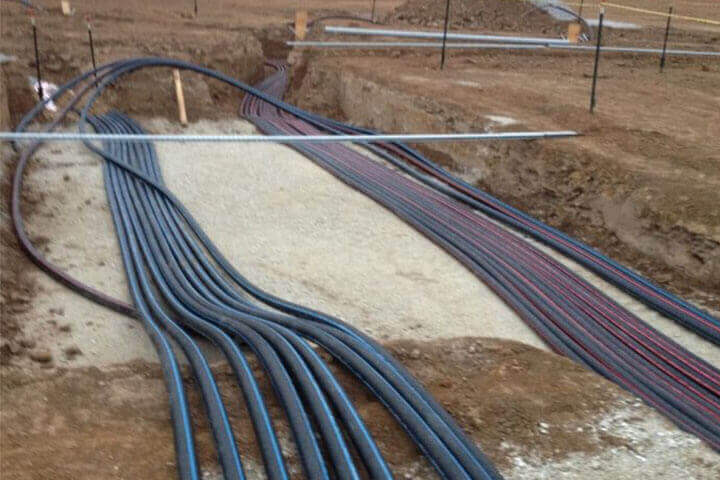
4.5.4 Hạn chế ngân sách và đầu tư dài hạn
Yếu tố ngân sách rất quan trọng khi lựa chọn loại ống dẫn, ảnh hưởng đến cả chi phí ban đầu và chi phí vận hành liên tục:
– Chi phí ban đầu:
– Ống PVC: Nhìn chung, ống dẫn PVC có giá thành mua ban đầu thấp hơn, khiến chúng trở nên hấp dẫn đối với các dự án có ngân sách hạn chế. Đây có thể là một lợi thế đáng kể đối với các công trình quy mô lớn, nơi việc mua số lượng lớn có thể giúp tiết kiệm đáng kể.
– Ống HDPE: Mặc dù ống dẫn HDPE thường có chi phí ban đầu cao hơn, nhưng điều cần thiết là phải xem xét khả năng giảm chi phí lắp đặt do giảm thời gian lao động và số lượng mối nối cần thiết trong các hệ thống lắp đặt linh hoạt.
– Chi phí dài hạn:
– HDPE: Chi phí đầu tư ban đầu vào ống dẫn HDPE thường mang lại lợi ích lâu dài nhờ độ bền cao, giúp giảm chi phí bảo trì và thay thế. Điều này có thể dẫn đến tiết kiệm đáng kể trong suốt vòng đời của hệ thống.
– PVC: PVC có thể cần sửa chữa hoặc thay thế thường xuyên hơn, đặc biệt là trong môi trường khắc nghiệt, điều này có thể làm tăng chi phí dài hạn. Việc tính đến nhu cầu bảo trì tiềm năng là rất quan trọng khi lập kế hoạch ngân sách.
– Yêu cầu bảo trì:
– Ống HDPE: Với nhu cầu bảo trì thấp và độ bền cao, ống dẫn HDPE thường được ưu tiên sử dụng cho các dự án dài hạn, giúp giảm đáng kể chi phí vòng đời. Độ tin cậy này giúp giảm thiểu thời gian ngừng hoạt động và nâng cao hiệu suất hệ thống theo thời gian.
– Ống dẫn PVC: Mặc dù ống dẫn PVC nhìn chung ít cần bảo trì, nhưng chúng có thể cần được chú ý nhiều hơn trong môi trường dễ bị giòn hoặc tiếp xúc với hóa chất. Việc lập kế hoạch cho các chi phí bảo trì tiềm năng là rất quan trọng khi lựa chọn ống dẫn PVC.
4.6 What do experts recommend for choosing HDPE or PVC conduits?
4.6.1 Những hiểu biết từ các chuyên gia trong ngành
Các chuyên gia trong ngành thường cung cấp những hiểu biết vô giá khi lựa chọn ống dẫn dựa trên các yêu cầu ứng dụng cụ thể:
4.6.2 Viễn thông và Mạng dữ liệu
– Các chuyên gia thường khuyến nghị sử dụng HDPE vì tính linh hoạt và độ bền của nó trong các hệ thống cáp quang. Khả năng bảo vệ các loại cáp mỏng manh đồng thời chịu được sự chuyển động của mặt đất khiến HDPE trở nên không thể thiếu trong các dự án này.
4.6.3 Hệ thống điện trong các tòa nhà
– Đối với hệ thống điện trong nhà, PVC là lựa chọn được các chuyên gia ưa chuộng nhờ độ cứng và khả năng chịu lực tốt. Khả năng chống cháy của PVC cũng phù hợp với các quy định an toàn, khiến nó trở thành lựa chọn ưu tiên cho các ứng dụng xây dựng.
4.6.4 Môi trường ngoài trời và khắc nghiệt
– Trong những môi trường mà việc tiếp xúc với hóa chất mạnh hoặc thời tiết khắc nghiệt là mối quan ngại, các chuyên gia thường khuyên dùng HDPE. Khả năng chống ăn mòn và suy thoái do tia cực tím của nó đảm bảo hiệu suất đáng tin cậy theo thời gian trong các môi trường khắc nghiệt.
4.7 Certifications for HDPE and PVC Conduits
4.7.1 Quy chuẩn điện quốc gia (NEC)
– Yêu cầu của NEC: Cả ống dẫn HDPE và PVC đều tuân thủ các tiêu chuẩn NEC, rất cần thiết để đảm bảo an toàn và độ tin cậy của các hệ thống điện. Các tiêu chuẩn này bao gồm các khía cạnh như phương pháp lắp đặt, dung tích tối đa, độ sâu chôn lấp và bảo vệ chống lại hư hại vật lý.
4.7.2 Tiêu chuẩn ASTM (Hiệp hội Vật liệu và Thử nghiệm Hoa Kỳ)
– ASTM F2160: Tiêu chuẩn này quy định các yêu cầu đối với ống dẫn polyetylen mật độ cao (HDPE) thành đặc dựa trên đường kính ngoài được kiểm soát. Nó bao gồm các đặc tính vật liệu, kích thước và tiêu chí hiệu suất để đảm bảo độ tin cậy và độ bền trong các ứng dụng ngầm và trên mặt đất.
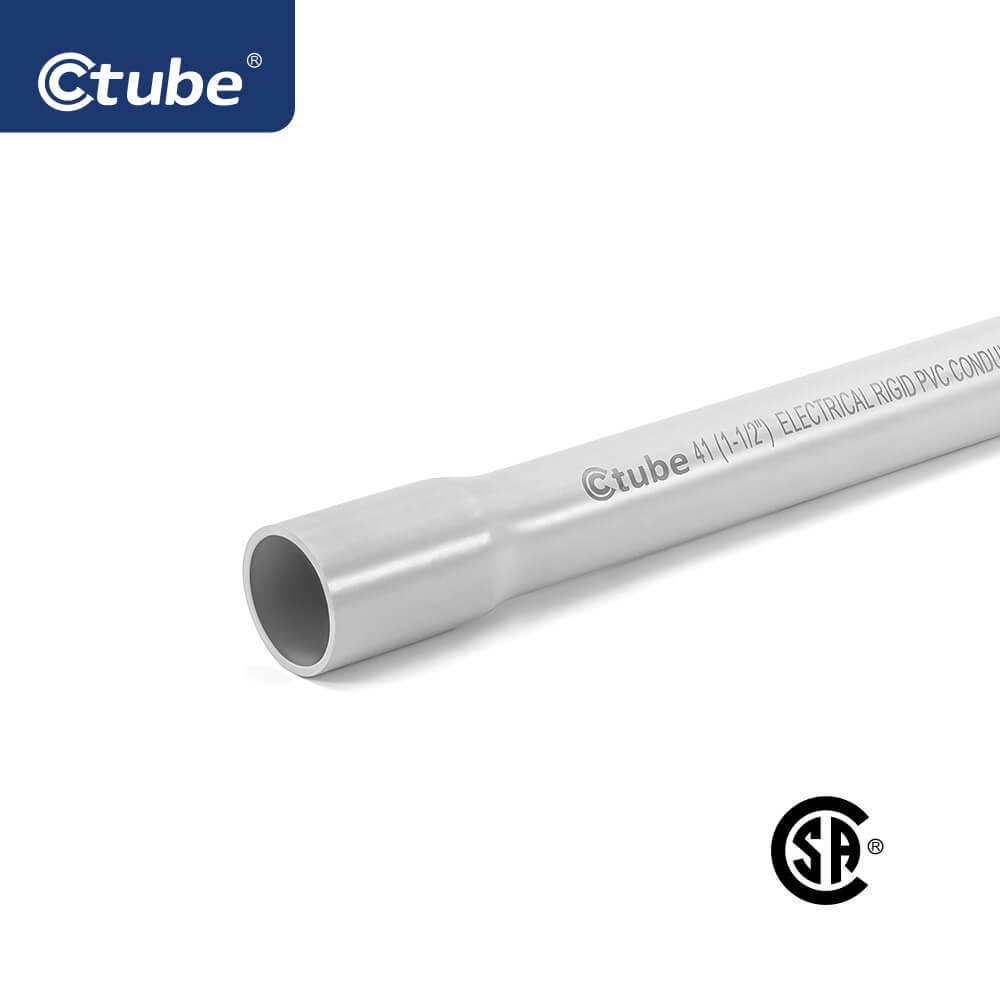
– ASTM F512: Tiêu chuẩn này quy định về ống dẫn và phụ kiện PVC cứng dùng trong lắp đặt điện. Nó xác định các đặc tính vật liệu, kích thước và tiêu chí hiệu suất để đảm bảo tuân thủ các yêu cầu về an toàn và hiệu suất.
4.7.3 UL 651 (Tiêu chuẩn 651 của Underwriters Laboratories)
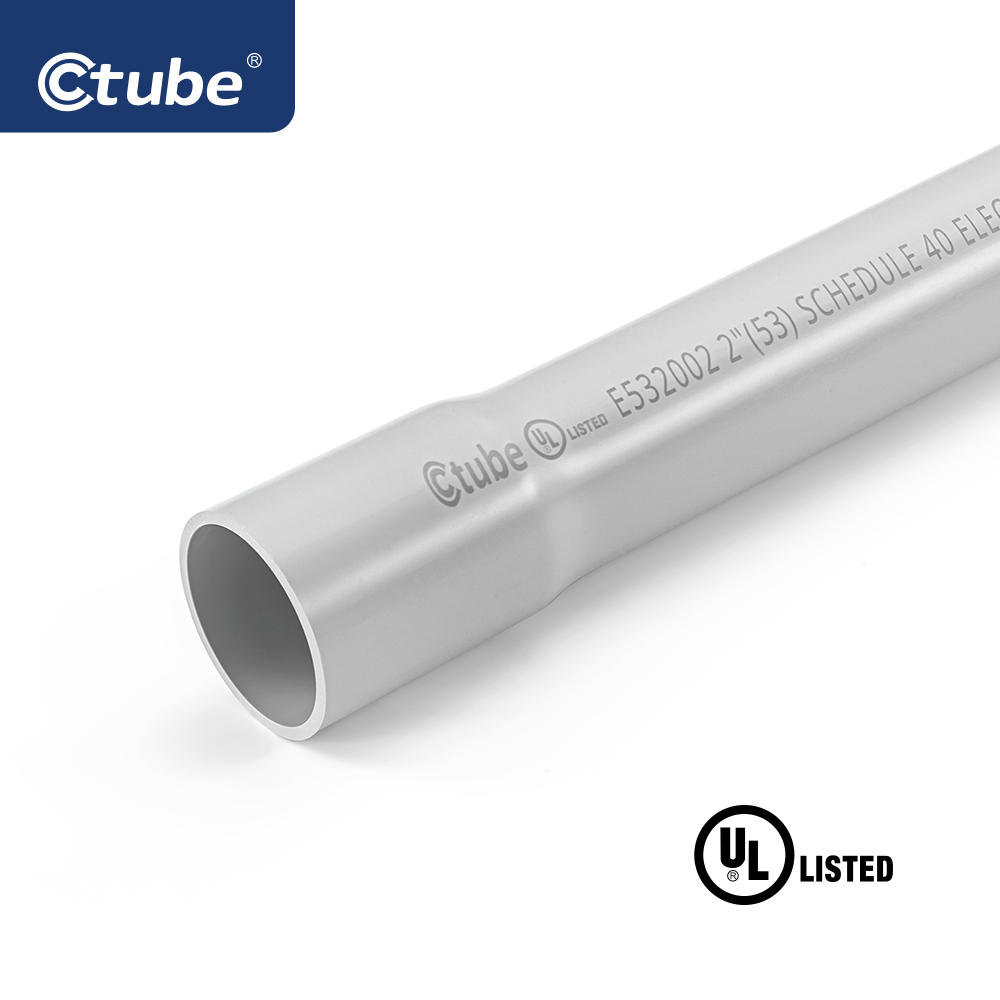
– Chứng nhận UL: Tiêu chuẩn UL 651 bao gồm ống dẫn PVC, trong đó có Schedule 40, Schedule 80, Type EB. Chứng nhận UL đảm bảo các ống dẫn này đáp ứng các tiêu chí an toàn và hiệu suất cụ thể như khả năng chống cháy, chống va đập và phù hợp cho các ứng dụng trên mặt đất. Ống dẫn HDPE tuân thủ nghiêm ngặt các tiêu chuẩn ngành như UL 651A.
4.7.4 Tiêu chuẩn NEMA (Hiệp hội các nhà sản xuất thiết bị điện quốc gia)
– Tiêu chuẩn NEMA TC 7: Tiêu chuẩn này quy định về ống dẫn ngầm phi kim loại có dây dẫn, áp dụng cho cả ống dẫn HDPE và PVC. Tiêu chuẩn này đặt ra các yêu cầu về thông số kỹ thuật vật liệu, kích thước và phương pháp lắp đặt để đảm bảo sử dụng an toàn và hiệu quả trong các ứng dụng ngầm, bao gồm đào rãnh và chôn trực tiếp.
Các chứng nhận và tiêu chuẩn này cùng nhau đảm bảo rằng ống dẫn HDPE và PVC được sản xuất và lắp đặt đáp ứng các yêu cầu nghiêm ngặt về an toàn, hiệu suất và độ bền. Việc tuân thủ các tiêu chuẩn này rất quan trọng để đảm bảo tính toàn vẹn của hệ thống điện và thông tin liên lạc trong nhiều ứng dụng khác nhau, từ khu dân cư đến khu công nghiệp.
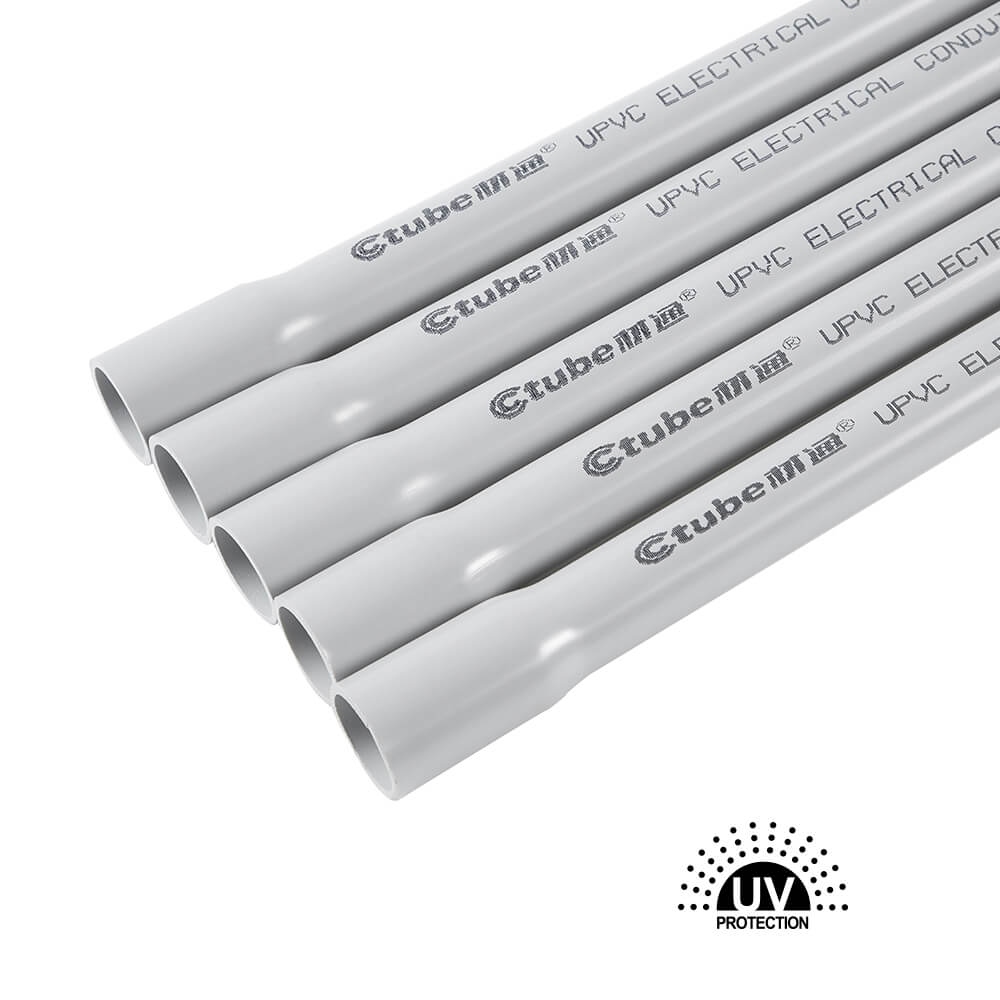
5. Conclusion:Choosing the Right Conduit for Your Needs
Trong bài viết này, chúng ta đã tìm hiểu những điểm khác biệt chính giữa ống dẫn HDPE (Polyethylene mật độ cao) và PVC (Polyvinyl Chloride). Ống dẫn HDPE có tính linh hoạt cao, chịu va đập tốt và phù hợp với môi trường khắc nghiệt cũng như các công trình lắp đặt đường dài. Ngược lại, ống dẫn PVC có độ cứng, độ bền cao và dễ lắp đặt, lý tưởng cho các ứng dụng lắp đặt trên mặt đất và chôn trực tiếp dưới đất. Chi phí, tuổi thọ và tác động đến môi trường cũng là những yếu tố quan trọng cần xem xét khi lựa chọn loại ống dẫn phù hợp với nhu cầu cụ thể của bạn.
Việc lựa chọn ống dẫn phù hợp là rất quan trọng đối với hiệu quả, an toàn và tuổi thọ của hệ thống điện. Đánh giá các yêu cầu của dự án và tham khảo ý kiến chuyên gia sẽ giúp bạn đưa ra quyết định sáng suốt.
Ctube là nhà sản xuất ống dẫn và phụ kiện PVC hàng đầu và chuyên nghiệp tại Trung Quốc. Chúng tôi chuyên phát triển và sản xuất các loại ống dẫn và phụ kiện PVC tiên tiến phục vụ việc quản lý và bảo vệ cáp. Các sản phẩm chính của chúng tôi bao gồm ống dẫn PVC đạt chứng nhận UL, ống dẫn và phụ kiện năng lượng mặt trời, ống dẫn và phụ kiện không chứa halogen, ống dẫn và phụ kiện PVC đạt tiêu chuẩn AS/NZS 2053 và tiêu chuẩn Anh. Chúng tôi đã đạt được các chứng nhận bao gồm UL, AS/NZS 2053, CSA, CE, ROHS và IEC. Chúng tôi luôn nỗ lực cung cấp sản phẩm và dịch vụ nhanh chóng và hiệu quả, đảm bảo chất lượng và độ tin cậy cao nhất trong mọi sản phẩm. Hãy chọn Ctube cho nhu cầu ống dẫn của bạn và trải nghiệm sự xuất sắc trong các giải pháp ống dẫn PVC.
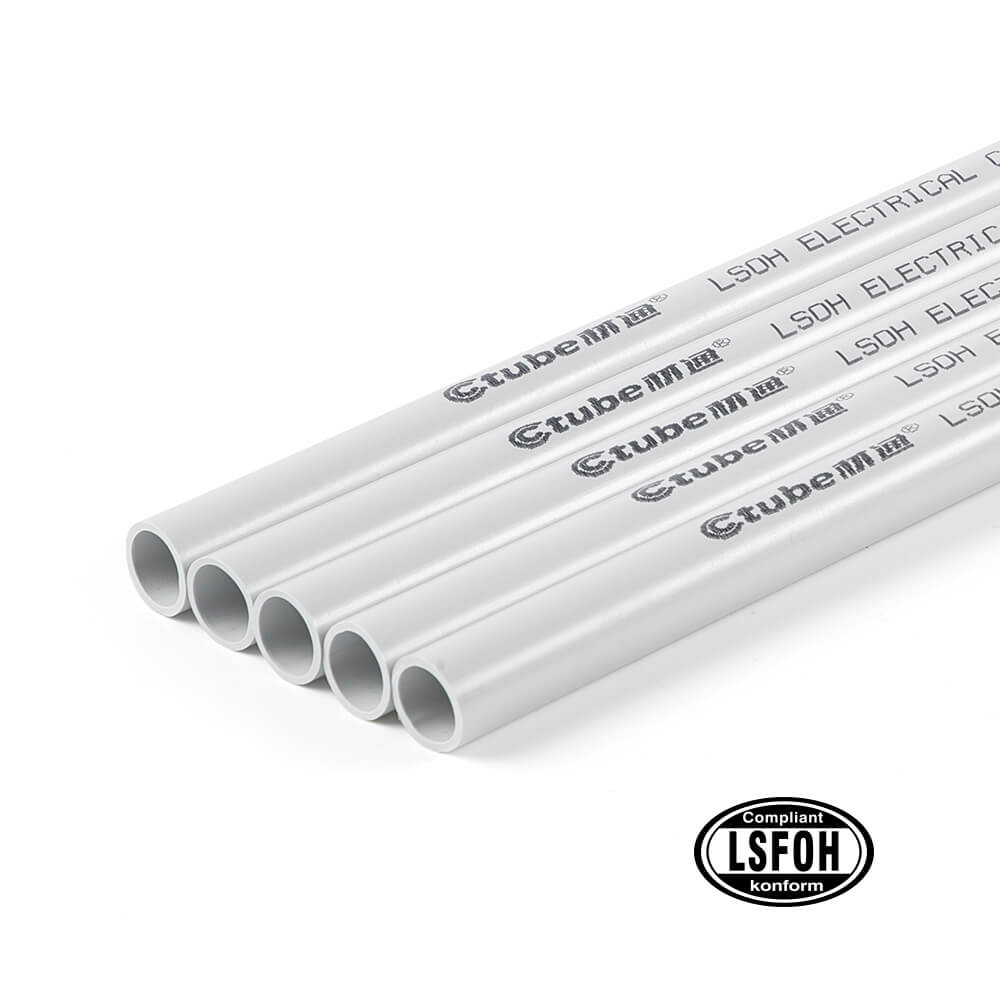
Để khắc phục những nhược điểm của ống dẫn PVC mà chúng ta đã đề cập ở trên, Ctube's... loạt năng lượng mặt trời quang điện Ống dẫn điện của chúng tôi được thiết kế đặc biệt cho môi trường tia cực tím ngoài trời. Được tăng cường chất ổn định, ống dẫn điện của chúng tôi duy trì độ bền và chống lại hiện tượng giòn khi tiếp xúc lâu dài với tia cực tím. Và Ctube's sản phẩm ít khói không chứa halogen Cải thiện đáng kể an toàn phòng cháy chữa cháy bằng cách giảm mật độ khói và khí thải độc hại, đảm bảo tầm nhìn tốt hơn và sơ tán an toàn hơn trong trường hợp hỏa hoạn.
Nếu bạn cần tư vấn cá nhân hoặc báo giá cho dự án của mình, vui lòng liên hệ với chúng tôi. Chúng tôi luôn sẵn sàng hỗ trợ bạn tìm ra giải pháp hoàn hảo cho nhu cầu ống dẫn của bạn.
Câu hỏi thường gặp
Ống dẫn HDPE có phù hợp cho các ứng dụng ngầm dưới lòng đất không?
Đúng vậy, ống dẫn HDPE rất phù hợp cho các ứng dụng ngầm. Chúng có khả năng chống ăn mòn và chịu được các tác động vật lý khi bị chôn vùi dưới đất hoặc đá.
Ống dẫn HDPE có đắt hơn các loại ống dẫn khác không?
Ống dẫn HDPE có thể có giá thành cao hơn một số loại khác như PVC, nhưng chúng thường mang lại giá trị sử dụng lâu dài tốt hơn nhờ độ bền cao và nhu cầu bảo trì giảm thiểu.
Ống dẫn PVC có thể sử dụng trong các ứng dụng ngầm dưới đất không?
Đúng vậy, một số loại ống dẫn PVC, chẳng hạn như dòng DB (chôn trực tiếp), EB (chôn có vỏ bọc) và Schedule 40 và 80, được thiết kế đặc biệt để sử dụng dưới lòng đất. Tuy nhiên, ENT (ống dẫn điện phi kim loại) không phù hợp cho các ứng dụng dưới lòng đất.
Ống dẫn PVC có tương thích với tất cả các loại dây điện không?
Ống dẫn PVC tương thích với hầu hết các loại dây điện, bao gồm cả dây THHN và THWN. Điều cần thiết là phải chọn kích thước và loại ống dẫn phù hợp với yêu cầu cụ thể của hệ thống dây điện và ứng dụng.